
ummtaalib
-
Posts
8,477 -
Joined
-
Days Won
773
Content Type
Profiles
Forums
Events
Everything posted by ummtaalib
-
By Hakim-ul-Ummah Mujaddid-ul-Millah Hazrat Mawlana Ashraf Ali Thanwi (RA) “The easy remedy to evil thoughts is that when the onslaught of such thoughts overpowers the heart and mind, then one should intentionally and purposely focus one’s attention towards a good and/or positive thought. After this exercise, if these unwanted thoughts continue to linger, then undoubtedly these are unintentional thoughts (for which there is no sin). This method which I have mentioned is very simple and one should make it a routine and then rest at ease from these thoughts forever. Many a salik, due to these types of evil thoughts and or fantasies, start to consider them self as contemptible and wicked, but this is absolutely not true. It is actually shaytaan who insinuates these types of thoughts into the heart, therefore what sin has the poor salik committed? The salik is actually so depressed and suffering due to these thoughts that in fact they are receiving great rewards from Allah Ta`ala for the internal, spiritual struggle they are undergoing…” Hazrat continues to explain the reality of these thoughts saying, “In actuality these evil thoughts are not even within the heart of a believer, rather they linger around the external precincts of the heart. Thus, those “evil-thoughts” which the salikeen suffer from, that loiter outside of the heart, are not really thoughts, but mere reflections or effects of those reflections, which give the impression to a person that they are actually coming from within. The only thing which is actually firmly embedded within the heart of a believer is faith, not stray thoughts. These stray thoughts are nothing but superficial and external which have no reality or substance, thus one should not be worried about them at all. Shaytaan only insinuates such thoughts into those hearts which have the valuable treasure of faith in them. Just like a thief. A thief only goes to rob a house which has some wealth inside. Thus we should understand that stray thoughts only come about for the true believers and accepted servants of Allah سبحانه وتعالى, not for people that are faithless and rejected. The question might still remain regarding the darkness and spiritual low a person might feel due to these stray thoughts entering the heart. For this I say that the feeling of “darkness” in the heart istab`i (natural) and all types of darkness are not necessarily an obstacle in treading the path to Allah سبحانه وتعالى as long as a person is on the right track. Take for example a train which is headed to its destination. Does a train not travel in the darkness of the night? Don’t we close the shudders at times which block the light from outside? Does this stop the train from traveling on to its destination? All it needs is that the driver should have light and that the train should remain on track. Insha Allah, we know that this train will ultimately get to its destination. In order to benefit from the above-mentioned advices one should not do the aforesaid exercises with the intention of averting stray thoughts. Neither should one wait for the complete disappearance of such thoughts from the mind and heart after doing it. Rather a person should merely put them to practice when needed, considering them to be an ongoing beneficial-practice without waiting for any results. The reason for this is that intending the aversion of thoughts will lead to hastiness and worry. That worry will lead to anxiety, and how can one possibly avert stray thoughts when one is worried and anxious?'' (Anfaas-e-Eesa; Part 2, pgs. 445-446) muftisays.com
-
- 1
-

-
Medicinal Value of Honey Honey has tremendous medicinal value, because it washes away the harmful substances that might be collected in the veins and the intestines. Honey dissolves excess moisture, is beneficial as a drink and as an ointment, it is of great value for the elderly, and those suffering from phlegm and cold moods or condition (chills). Honey is nutritious, softens one’s bowel movement and is a good preserving agent. In addition, honey reduces the bitter taste of other medicines, cleanses the liver and the chest, aids in producing urine, and dissolves the phlegm that is accompanied by coughing. When honey is consumed hot and mixed with rose oil, it cures animal bites and the effects of opium. Taking honey mixed with water helps against the bite of a rabid dog and the effects of eating poisonous mushrooms. If fresh meat is kept in honey, it preserves its freshness for three months. Likewise if gourds, cucumbers and eggplants are kept in honey, they too will be preserved. Furthermore, honey will keep some types of fruit fresh for six months. It preserves dead corpses, thus deserving to be called, "The true preserver". When honey is applied to someone that is infected with lice, it will kill both the lice and the eggs. Honey will add softness and beauty to the hair while allowing it to grow longer. When honey is applied to the eye as Kohl (eyeliner), it will strengthen weak eyesight. Honey whitens the teeth, preserves their health and the health of the gums, and opens the orifice of the veins along with causing the flow of menstruation. Furthermore, licking honey on an empty stomach will help the body get rid of mucus and phlegm. It cleanses the stomach and rids it of harmful substances or mixtures, heats the stomach mildly and opens up the pores. Honey has similar effects on the kidneys, the prostate, urinary bladder and the liver. Furthermore, honey is the least harmful sweet substance for congesting the liver and kidneys. Adding to all these benefits that we mentioned, honey does not have any side effects, nor harm except for those suffering from bile and who should take it with vinegar to neutralize its harm. Honey is a food, a drink, a sweet, a remedy, a type of refreshment and an ointment, along with its numerous medicinal values. Therefore, there is no other substance that is more beneficial than honey or that even rivals its value. This is why the people of old relied on honey, for most of the books of old do not mention sugar, as this was discovered in modem times. Prophet Muhammad Sallallaho Alaihe Wasallam used to drink some honey mixed with water on an empty stomach. There is a wonderful secret behind this practice regarding preserving the health. Tibbenabawi
-

-
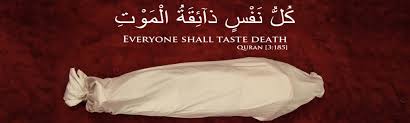
Question: What should be done when a person passes away? Answer: In the name of Allah, Most Gracious, Most Merciful Assalaamu `alaykum waRahmatullahi Wabarakatuh 1) When a person passes away, the arrangements for the ghusl, kafan, and burial should be made immediately. After the ghusl and enshrouding of the deceased, the salat of janazah must be performed. Finally, the burial must take place. All of these expenses will be from the wealth of the deceased person. It is also important to distribute the wealth of the deceased person after the following steps are taken (with his wealth): a) The funeral expenses must be taken care of b) His debts must be paid off c) If up to 1/3 of his wealth was bequeathed, it must be distributed d) The remaining wealth will be divided amongst the heirs For a detailed explanation of the abovementioned steps after a person passes away, please refer to Bahishti Zewar (Heavenly Ornaments), Volume 1, Pages 236-256 (Published by ZamZam Academy) by Hadrat Maulana Ashraf Ali Thanvi (Rahimahullah). This great work by Shaykh is highly informative and gives a step-by-step explanation of what should be fulfilled from the time one passes away up to the burial. If these steps are taken, InshaAllah the various innovations which exist today will be avoided. 2) When the husband passes away, the woman immediately begins her iddah period, which in the case of the husband’s death is four lunar months and ten days. After this period ends, she will be free to re-marry elsewhere. وبعد موت الزوج يلزمها أربعة أشهر وعشر (Raddul Muhtar) ( قوله وللموت أربعة أشهر وعشر ) أي : عدة المتوفى عنها زوجها بعد نكاح صحيح إذا كانت حرة أربعة أشهر وعشرة أيام لقوله تعالى { والذين يتوفون منكم ويذرون أزواجا يتربصن بأنفسهن أربعة أشهر وعشرا } (Al-Bahrul Raaiq)
-
BIBLIOGRAPHY ARABIC BOOKS BIBLIOGRAPY 1. Al-Bahr ar-Ra`iq Sharh Kanz ad-Daqa`iq, Zayn ad-Din Ibn Nujaym, Maktabah Rashīdiyyaح 2. Al- Fatawa al-Amalgiriyyah (al-Hindiyyah), 1: 149-52, 6: 446-478, Maulana as-Shaykh Nizam and a group of scholars from Hind, Maktabah Rashidiyyah 3. Al-Inayah Sharh al-Hidayah, 1:456-66, Akmal ad-Din Muhammad bin Muhammad bin Mahmood al-Babarti, Dar al-Kutub al-Ilmiyyah, Beirut 4. Al-Lubab fi Sharh al-Kitab, Abd al-Gani al-Gunaymi al-Maydani ad-Damashqi, Dar al-Basha`ir al-Islamiyyah 5. Badāi al-Sanā`I, Abū Bakr bin Mas`ūd al-Kāsānī, Dār al-Kutub al-`Ilmiyyah 6. Tabyin al-Haqa`iq Sharh Kanz ad-Daqa`iq, Fakhr ad-Din Uthman bin Ali az-Zayla`I, Maktabah Imdadiyah, Multan 7. Al-Jawharat an-Niyyarah, Mir Muhammad Kutub Khana, Karachi] 8. Hāshiyat al-Tahtāwī alā Marāqī al-Falāh, Qadīmī Kutub Khana 9. Radd al-Muhtar ala ad-Durr al-Mukhtar, Muhammad Amin (also known as) Ibn Abidin as-Shami, H. M. Saeed Company 10. Gunyat al-Mutamalli fī Sharh Munyat al-Musalli (Halabī al-Kabīr), Ibrahim bin Muhammad bin Ibrahim al-Halabiy, Dar an-Nashar al-Ilmiyyah 11. Fatawa Qadhi Khan, Fakhr al-Din Abu al-Mahasin al-Hasan bin Mansur (also known as) Qadhi Khan al-Awzjandi al-Farghani, Qadimi Kutub Khana, Karachi 12. Fat`h al-Qadir ma`a Kifayah Sharh al-Hidayah, Kamal ad-Din Muhammad bin Abd al-Wahid Maktabah Rashidiyyah] 13. Mukhtasar al-Qudūri, (tahqīq from Sā`id Bakdāsh), Dār al-Bashā`ir al-Islāmiyyah and Dār al-Sirāj 14. Minhat al-Sulūk fī sharh Tuhfat al-Mulūk, Dār al-Nawādir; 15. Nafahāt al-sulūk alā tuhfat al-Mulūk, Dār al-Fārūq, Amman 16. Maraqiy al-Falah Sharh Nur al-Idhah and Imdād al-Fattāh, as-Sahykh Hasan bin Ammar bin Ali As-Shuruhbulali, Maktabah Imdadiyah, Multan 17. I`laa as-Sunan, Maulana Zafar Ahmad al-Uthmani, Idarah al-Qur`an wa al-Uloom al-Islamiyyah, Karachi URDU BOOKS BIBLIOGRAPHY 18. Ahsan al-Fatawa, Mufti Rashid Ahmad, H. M. Saeed Company 19. Imdad al-Fatawa, Maulana Ashraf Ali Tanwi, Maktabah Dar al-Uloom Karachi 20. Imdād al-Ahkām, Maktabah Dār al-Ulūm Karachi 21. Fatwa Dar al-Uloom Zakariyah, Mufti Radha al-Haq, Zamzam Publishers 22. Fatawa Mahmoodiyah, Mufti Mahmood Hasan Gangohi, Dar al-Iftaa Jamiah Farooqiyah 23. Fatawa Rahimiyah, Mufti Abdur Rahim Lajpuri, Dar al-Isha`at Karachi 24. Mu`in al-Farā`iz, Jamiah Husainiyyah Rander, Surat, India [1] (إذا اُحتضر الرّجل) أي قرب من الموت ... (وُجّه إلى القبلة على شقّه الأيمن) [Al-Inayah Sharh al-Hidayah, 1: 477; Al-Lubab fi Sharh al-Kitab, 2: 287; Marāqī al-Falāh Sharh Nur al-Idhāh, 137, Maktabah Imdādiyah] هذا هو السنة [Al-Lubab fi Sharh al-Kitab, 2: 287; Imdad al-Fattah Sharh Nur al-Idhah wa Najat al-Arwah, p. 566, Dar Taba`, Damascus] ولكن قال الزيلعي في نصب الراية 249/ 2: لم أجد له شاهدا. اھ والمختار أن يوضع مستلقيًا على قفاه نحو القبلة ؛ لأنه أيسر لخروج روحه (جوهرة). وإن شُقَّ عليه: تُرِك على حاله [Al-Lubab fi Sharh al-Kitab, 2: 287; Al-Jawharat an-Niyyarah, p. 130, Mir Muhammad Kutub Khana, Karachi] (يوجه المحتضر) وعلامته استرخاء قدميه، واعوجاج منخره وانخساف صدغيه (القبلة) على يمينه هو السنة (وجاز الاستلقاء) على ظهره (وقدماه إليها) وهو المعتاد في زماننا (و) لكن (يرفع رأسه قليلا) ليتوجه للقبلة (وقيل يوضع كما تيسر على الأصح) صححه في المبتغى (وإن شق عليه ترك على حاله) [Al-Durr al-Mukhtār ma`a Radd al-Muhtār, 2: 189, H.M. Saeed Company; Al-Bahr al-Rā`iq, 2: 298, H. M. Saeed; Gunyat al-Mutamallī fī Sharhi Munyat al-Musallī, p. 576, Maktbaha Rashidiyyah] [2] وجاز الاستلقاء على ظهره، اختاره مشليخنا ما وراء النهر، لأنه أيسر لمعالجته، ولكن تُرفَع رأسُه قليلًا ليصير وجهه إلى القبلة دون السماء [imdad al-Fattah Sharh Nur al-Idhah wa Najat al-Arwah, p. 566] [3] (يلقن) ندبًا، وقيل: وجوبا (بذكر الشهادتين) [Ad-Durr al-Mukhtar ma`a Radd al-Muhtar, 2: 190, H.M. Saeed Company; Al-Bahr ar-Ra`iq, 2: 299, Maktabah Rashidiyyah; Al-Fatwa al-Alamgiriyyah, 1: 157, Maktabah Rashidiyyah] عن أبي هرىرة رضي الله تعالى عنه قال: قال رسول الله صلى الله تعالى عليه وسلم: لقنوا موتاكم لا إله إلا الله [saheeh Muslim, 1: 300, Qadimi Kutub Khana] عن معاذ بن جبل رضي الله تعالى عنه قال: قال رسول الله صلى الله عليه وسلم: من كان آخر كلامه لا إله إلا الله دخل الجنة [sunan Abi Dawud, 2: 88, Maktabah Imdadiyah] [4] وقوله (لقّن الشهادة) تلقينها أن يقال عنده وهو يسمع، ولا يقال له قل لأنّ الحال صعب عليه فربّما يمتنع عن ذلك والعياذ بالله [Al-Inayah Sharh al-Hidayah, 1: 477; Al-Jawharat an-Niyyarah, p. 130; [imdad al-Fattah Sharh Nur al-Idhah wa Najat al-Arwah, p. 567] وإذا قالها مرة: كفاه، ولا يعيدها الملقِّنُ إلا أن يتكلم بكلام غيره ؛ لتكون آخر كلامه [Al-Lubab fi Sharh al-Kitab, 2: 287; Al-Jawharat an-Niyyarah, p. 130; [imdad al-Fattah Sharh Nur al-Idhah wa Najat al-Arwah, p. 567] وصورة التلقين أن يقال عنده في حالة النزع جهرا وهو يسمع أشهد أن لا إله إلا الله وأشهد أن محمدا رسول الله [Al-Jawharat an-Niyyarah, p. 130, Mir Muhammad Kutub Khana, Karachi] ويسن أن يُلَقَّن [imdad al-Fattah Sharh Nur al-Idhah wa Najat al-Arwah, p. 566] [5] (ويُستحبّ لأقرباء المُحتَضَرِ وأصدقائه وجيرانِه الدُخولُ عليه) للقيام بحقه والإستئناس بهم وتذكيرهم إياه ما ينفعه من وصية ونحوها، وبتجريعه الماء، لأن العطشُ يغلب لشدة النزع حينئذ ... ويحسنون ظنه بالله تعالى، لخبر مسلم ـ لا يموتنّ أحدُكم إلا وهو يُحسِن الظّنَّ بالله ... (ويتلون عنده سورة يس) لخبر ـ اقرؤوا على موتاكم يس ـ ... وقال: المراد به من حضره الموت ...(واسْتحسن بعض المتأخرين سورة الرعد) لأنها تسهل طلوع الروح، لقول جابر: فإنها تهوّن عليه خروج روحه [imdad al-Fattah Sharh Nur al-Idhah wa Najat al-Arwah, p. 569-70] [6] (والصلاة عليه) صفتها (فرض كفاية) بالإجماع ... (كدفنه) وغسله وتجهيزه، فإنها فرض كفاية [Ad-Durr al-Mukhtar ma`a Radd al-Muhtar, 2: 207, H. M. Saeed Company; Bada`I as-Sana`I, 2: 60, Maktabah Rashidiyyah] دفن الميت فرض على الكفاية [Al-Fatawa al-Alamgiriyyah, 1: 165, Maktabah Rashidiyyah] [7] فإذا مات شُدّ لحياه وغُمّض عيناه [al-Hidayah ma`a Al-Inayah, 1: 477] (فإذا مات شَدُّوا لحييه) بعِصابة من أسفلهما ، وتُربط فوق رأسه، (وغَمَّضوا عينيه) تحسينا له [Al-Lubab fi Sharh al-Kitab, 2: 288; Gunyat al-Mutamalli ala Sharh Munyat al-Musalli (Halabi Saghir), p. 333, Dar an-Nashr al-Ilmiyyah; Imdad al-Fattah Sharh Nur al-Idhah wa Najat al-Arwah, p. 570] فإذا مات شُدّ لحياه) ... (وغَمَّض عيناه) لقوله عليه الصلاة والسلام: إذا حضرتم موتاكم فأغمِضوا البصَرَ، فإنّ البصر يَتْبَع الرّوحَ، وقولوا خيرًا فإنّ الملائكة تُؤَمِّن على ما قال أهل البيت. [imdad al-Fattah Sharh Nur al-Idhah wa Najat al-Arwah, p. 570] [Gunyat al-Mutamallī fī Sharh Munyat al-Musallī, p. 576, Rashīdiyyah] [8] وينبغي أن يتولى ذلك أرفقُ أهله به، [Al-Lubab fi Sharh al-Kitab, 2: 288] ويقول مُغَمِّضُه: بسم الله ، وعلى ملة رسول الله، اللهم يسِّر عليه أمرَه وسهِّل عليه ما بعده، وأسعده بلقائك، واجعل ما خرج إليه خيرًا ممّا خرج عنه [imdad al-Fattah Sharh Nur al-Idhah wa Najat al-Arwah, p. 570; Gunyat al-Mutamallī fī Sharh Munyat al-Musallī, p. 576, Rashīdiyyah] وصورته أن يتولى أرفق أهله اما ولده أو والده [Al-Jawharat an-Niyyarah, p. 131] [9] قاله الكمال، ثمّ يسجى بثوب [imdad al-Fattah Sharh Nur al-Idhah wa Najat al-Arwah, p. 570] [10] ويُحضَر عنده الطِّيب [Al-Lubab fi Sharh al-Kitab, 2: 288] [11] (ويُوضَع على بطنه حديدةٌ، لئلّا ينتفخ) ... وإن لم يوجد فيوضع على بطنه شيئ ثقيل [imdad al-Fattah Sharh Nur al-Idhah wa Najat al-Arwah, p. 570] [Gunyat al-Mutamallī fī Sharh Munyat al-Musallī, p. 577, Rashīdiyyah] [12] (وتوضع يداه بجَنبَيه ولا يجوز وضعُهما على صدره) ... وتُلَيَّن مفاصله وأصابعه [imdad al-Fattah Sharh Nur al-Idhah wa Najat al-Arwah, p. 571] [13] (وتُكره قراءة القرآن عنده حتّى يُغسَّل) تنزيها للقرآن عن نجاسة الميت [imdad al-Fattah Sharh Nur al-Idhah wa Najat al-Arwah, p. 571] [14] ويستحب أن يسارَع إلى قضاء ديونه، أو إبرائه منها؛ لأن نفسَ الميت معلَّقة بدَينه حتى يُقضَى عنه ويُسرع في جَهازه [Al-Lubab fi Sharh al-Kitab, 2: 289; Al-Jawharat an-Niyyarah, p. 131] [15] ويستحب أن يعلم جيرانه وأصدقائه بموته حتى يؤدوا حقه بالصلاة عليه والدعاء له [Al-Jawharat an-Niyyarah, p. 131] (ولا بأس بإعلام النّاس بموته) بل يندب لكثرة المصلين ... وقال في النهاية: فإن كان عالما أو زاهدا أو ممن يتبرك به، فقد استحسن بعض المتأخرين النداء في الأسواق لجنازته وهو الأصح، انتهى. وكثير من المشايخ لم يروا بأسًا بأن يؤذن للجنازة ليؤدي أقاربه وأصدقاؤه حقه كذا في (التاتارخانية) عن (الينابيع) [imdad al-Fattah Sharh Nur al-Idhah wa Najat al-Arwah, p. 571] [16] وإذا تيقن موته (يُعَجَّل بتجهيزه) إكراما له [imdad al-Fattah Sharh Nur al-Idhah wa Najat al-Arwah, p. 571] (يندب دفنه في جهة موته) ... (وتعجيله) أي تعجيل جهازه عقب تحقق موته، ولذا كره تأخير صلاته ودفنه ليصلي عليه جمع عظيم بعد صلاة الجمعة Radd al-Muhtar ala ad-Durr al-Mukhtar, 2: 239, H. M. Saeed Company; Tabyin al-Haqa`iq, 1: 588, H. M. Saeed Company; Al-Bahr ar-Ra`iq, 2: 341, Maktabah Rashidiyyah] [17] على المعتدة أن تعتد في المنزل الذي يضاف إليها بالسكنى حال وقوع الفرقة والموت [al-Hidāyah, 2: 428-9, Mkatabah Shirkat ilmiyyah Multan; al-Fatawa al-Hindiyyah, 1: 535, Maktabah Rashidiyyah; Tabyīn al-Haqa`iq, 3: 271, Dar al-Kutub al-Ilmiyyah Beirut] وإذا وجب الاعتداد في منزل الزوج فلا بأس بأن يسكنا في بيت واحد إذا كان عدلا سواء كان الطلاق رجعيا أو بائنا أو ثلاثا والأفضل أن يحال بينهما في البيتوتة بستر إلا أن يكون الزوج فاسقا فيحال بامرأة ثقة تقدر على الحيلولة بينهما وإن تعذر فلتخرج هي وتعتد في منزل آخر، وكذا لو ضاق البيت وإن خرج هو كان أولى ولهما أن يسكنا بعد الثلاث في بيت إذا لم يلتقيا التقاء الأزواج ولم يكن فيه خوف فتنة اهـ. وهكذا صرح في الهداية بأن خروجه أولى من خروجها عند العذر ولعل المراد أنه أرجح فيجب الحكم به [Al-Bahr ar-Rā`iq, 4: 261, Maktabah Rashidiyyah; Tabyīn al-Haqā`iq, 3: 271-2, Dar al-Kutub al-Ilmiyyah, Beirut; al-Fatāwā at-Tātarkhāniyah, 4: 69, Idārah al-Qur`ān wa al-Uloom al-Islāmiyyah; Fatāwa Mahmūdiyyah, 13: 391, Dar al-Iftaa Jamiah Farūqiyyah Karāchi] The woman may only leave out of dire necessity: to earn livelihood if no other possible alternative and when fearing death or calamity on self, residence or wealth. وتعتدّانِ: أي معتدة طلاق وموت في بيت وجبت فيه، ولا تخرجان منه إلا أن تخرج أو ينهدم المنزل أو تخاف انهدامه أو تلف مالها أو لا تجد كراء البيت ونحو ذلك من الضرورات [Radd al-muhtār ala ad-Durr al-Mukhtār, 3: 536, H.M. Saeed Company; Al-Bahr ar-Rā`iq, 4: 259, Maktabah Rashidiyyah; Tabyīn al-Haqā`iq, 3: 271-2, Dar al-Kutub al-Ilmiyyah, Beirut; al-Fatāwā at-Tātarkhāniyah, 4: 70, Idārah al-Qur`ān wa al-Uloom al-Islāmiyyah; Fatāwa Mahmūdiyyah, 13: 395, Dar al-Iftaa Jamiah Farūqiyyah Karāchi] والمتوفى عنها زوجها تخرج بالنهار لحاجتها إلى نفقتها، ولا تبيت إلا في بيت زوجها، فظاهره أنها لو لم تكن محتاجةً إلى النفقة، لا يباح لها الخروج نهارا [Al-Bahr ar-Rā`iq, 4: 259, Maktabah Rashidiyyah; Tabyīn al-Haqā`iq, 3: 271, Dar al-Kutub al-Ilmiyyah Beirut; al-Fatāwa al-Hindiyyah, 1: 534, Maktabah Rashidiyyah; Fatāwa Mahmūdiyyah, 13: 394/6, Dar al-Iftaa Jamiah Farūqiyyah Karāchi] [18][Fatāwā Mahmudiyyah, 13: 408, Dār al-Iftā Jami'ah Faruqiyyah, Karachi] (وإذا مات الرجل عن امرأته الحرة) دخل بها أولا، صغيرة كانت أو كبيرة، مسلمة أو كتابية، حاضت في المدة أو لم تحض، كما في خزانة المفتين (فعدتها أربعة أشهر وعشرة) أيام، لقوله تعالى {ويذرون أزواجاً يتربصن بأنفسهن أربعة أشهر وعشراً}...(وإن كانت) امرأة الميت (حاملا فعدتها أن تضع حملها) أيضاً، لإطلاق قوله تعالى: {وأولات الأحمال أجلهن أن يضعن حملهن} [Al-Lubān fī Sharh al-Kitāb, 4: 200, Dār al-Bashā`ir al-Islāmiyyah] وَقَوْلُهُ ( وَعِدَّةُ الْحُرَّةِ فِي الْوَفَاةِ أَرْبَعَةُ أَشْهُرٍ وَعَشَرَةُ أَيَّامٍ لِقَوْلِهِ تَعَالَى { وَاَلَّذِينَ يُتَوَفَّوْنَ مِنْكُمْ وَيَذَرُونَ أَزْوَاجًا يَتَرَبَّصْنَ بِأَنْفُسِهِنَّ أَرْبَعَةَ أَشْهُرٍ وَعَشْرًا } ) نَسَخَ قَوْله تَعَالَى { وَصِيَّةً لِأَزْوَاجِهِمْ مَتَاعًا إلَى الْحَوْلِ غَيْرَ إخْرَاجٍ }...( وَإِنْ كَانَتْ حَامِلًا فَعِدَّتُهَا أَنْ تَضَعَ حَمْلَهَا لِإِطْلَاقِ قَوْله تَعَالَى { وَأُولَاتُ الْأَحْمَالِ أَجَلُهُنَّ أَنْ يَضَعْنَ حَمْلَهُنَّ } ) وَهُوَ مَذْهَبُ عُمَرَ وَابْنِ مَسْعُودٍ رَضِيَ اللَّهُ عَنْهُمَا [Al-`Ināyah Sharh al-Hidāyah, 2: 580-1, Dār al-Kutub al-`Ilmiyyah] [19] (و) العدة (للموت أربعة أشهر) بالأهلة لو في الغرة كما مر (وعشر) من الأيام بشرط بقاء النكاح صحيحا إلى الموت (مطلقا) وطئت أو لا ولو صغيرة، أو كتابية تحت مسلم ولو عبدا فلم يخرج عنها إلا الحامل. [Radd al-Muhtār alā al-Durr al-Mukhtār ma`a radd al-Muhtār, 3: 510, H.M. Saeed Company] [20] (و) العدة (للموت أربعة أشهر) بالأهلة لو في الغرة كما مر (وعشر) من الأيام بشرط بقاء النكاح صحيحا إلى الموت (مطلقا) وطئت أو لا ولو صغيرة، أو كتابية تحت مسلم ولو عبدا فلم يخرج عنها إلا الحامل. (قوله: فلم يخرج عنها إلا الحامل) فإن عدتها للموت وضع الحمل كما في البحر، وهذا إذا مات عنها وهي حامل، أما لو حبلت في العدة بعد موته فلا تتغير في الصحيح كما يأتي قريبا ... قال: واعلم أن المعتدة لو حملت في عدتها ذكر الكرخي أن عدتها وضع الحمل ولم يفصل، والذي ذكره محمد أن هذا في عدة الطلاق، أما في عدة الوفاة فلا تتغير بالحمل وهو الصحيح كذا في البدائع اهـ. وفي البحر عن التتارخانية: المعتدة عن وطء بشبهة إذا حبلت في العدة ثم وضعت انقضت عدتها. وفيه عن الخانية: المتوفى عنها زوجها إذا ولدت لأكثر من سنتين من الموت حكم بانقضاء عدتها قبل الولادة بستة أشهر وزيادة، فتجعل كأنها تزوجت بآخر بعد انقضاء العدة وحبلت منه [Radd al-Muhtār alā al-durr al-Mukhtar, 3: 510-11, H.M. Saeed] (وإذا مات الرجل عن امرأته الحرة) دخل بها أولا، صغيرة كانت أو كبيرة، مسلمة أو كتابية، حاضت في المدة أو لم تحض، كما في خزانة المفتين (فعدتها أربعة أشهر وعشرة) أيام، لقوله تعالى {ويذرون أزواجاً يتربصن بأنفسهن أربعة أشهر وعشراً}...(وإن كانت) امرأة الميت (حاملا فعدتها أن تضع حملها) أيضاً، لإطلاق قوله تعالى: {وأولات الأحمال أجلهن أن يضعن حملهن} [al-Lubāb fī Sharh al-Kitāb, 4: 200, Dār al-Bashā`ir al-Islāmiyyah] وَقَوْلُهُ ( وَعِدَّةُ الْحُرَّةِ فِي الْوَفَاةِ أَرْبَعَةُ أَشْهُرٍ وَعَشَرَةُ أَيَّامٍ لِقَوْلِهِ تَعَالَى { وَاَلَّذِينَ يُتَوَفَّوْنَ مِنْكُمْ وَيَذَرُونَ أَزْوَاجًا يَتَرَبَّصْنَ بِأَنْفُسِهِنَّ أَرْبَعَةَ أَشْهُرٍ وَعَشْرًا } ) نَسَخَ قَوْله تَعَالَى { وَصِيَّةً لِأَزْوَاجِهِمْ مَتَاعًا إلَى الْحَوْلِ غَيْرَ إخْرَاجٍ }...( وَإِنْ كَانَتْ حَامِلًا فَعِدَّتُهَا أَنْ تَضَعَ حَمْلَهَا لِإِطْلَاقِ قَوْله تَعَالَى { وَأُولَاتُ الْأَحْمَالِ أَجَلُهُنَّ أَنْ يَضَعْنَ حَمْلَهُنَّ } ) وَهُوَ مَذْهَبُ عُمَرَ وَابْنِ مَسْعُودٍ رَضِيَ اللَّهُ عَنْهُمَا [al-`Ināyah Sharh al-Hidāyah, 2: 580-1, Dār al-Kutub al-`Ilmiyyah] [21] وذكر أن محل الكراهة إذا كان قريبا منه، أما إذا بعد عنه بالقراءة فلا كراهة ... [Radd al-Muhtār ala al-Durr al-Mukhtār, 2: 194, H.M. Saeed; al-Fatāwā al-Hindiyyah, 1: 157, Maktbah Rashidiyyah] وتكره القراءة عنده حتي يغسل ويسرع في تجهيزه [Gunyat al-Mutamallī (Halabī al-Kabīr), p. 577, Rashidiyyah] [22] The method of bathing can be found in: [Al-Lubab fi Sharh al-Kitab, 2: 290-2, Dar al-Basha`ir al-Ilamiyyah & Dar as-Siraj; Imdad al-Fattah Sharh Nur al-Idhah wa Najat al-Arwah, p. 572-5] [23] ويفترض تغسيل الميت كفاية [Nur al-Idhah ma`a Maraqi al-Falah, p. 23, Maktabah Imdadiyah, Multan] وقدّم الغُسل لأنه أوّل ما يُصنَع به، وهو واجبٌ على الأحياء بالإجماع [Al-Inayah Sharh al-Hidayah, 1: 478] (والصلاة عليه) صفتها (فرخ كفاية) بالإجماع ... (كدفنه) وغسله وتجهيزه، فإنها فرض كفاية [Al-Durr al-Mukhtar ma`a Radd al-Muhtar, 2: 207; Badā`I al-Sanā`i, 2: 24, Rashīdiyyah; al-Fatāwā aal-Hindiyyah, 1: 158, Rashīdiyyah] [24] ويندب أن يكون الغاسل أقرب الناس إلى الميت، وإلا فأهل الإمامة والورع، كما في (شرح المقدسي) [imdad al-Fattah Sharh Nur al-Idhah wa Najat al-Arwah, p. 574] والأولي كونه أقرب الناس إليه، فإن لم يحسن الغسل فأهل الأمانة والورع [Al-Durr al-Mukhtar ma`a Radd al-Muhtar, 2: 202; al-Bahr al-Rā`iq, 2: 306, Rashīdiyyah; al-Fatāwā aal-Hindiyyah, 1: 159, Rashīdiyyah] [25] (والمرأة تُغسِّل زوجَها) لحل مسه، والنظر إليه لبقاء العدة، فلو ولدت عقب موته لم تغسله ... (بخلافه) الرجل فإنه لا يغسل زوجته لإنقطاع النكاح [imdad al-Fattah Sharh Nur al-Idhah wa Najat al-Arwah, p. 575] يجوز أن تغتسل المرأة زوجها بالإجماع أما غسله زوجته فغير جائز عندنا وهو قول الثوري والأوزاعي [Gunyat al-Mutmallī (Halabī al-Kabīr), p. 604, Maktbaha Rashidiyyah] For a detail explanation on why the husband is not allowed to bathe his wife, see: Imdād al-Fatāwā, 1: 565-70, Maktabah Dār al-`Ulūm Karachi; Gunyat al-Mutamallī (Halabī al-Kabīr), p. 604, Maktabah Rashīdiyyah] [26] ويمنع زوجها من غسلها ومسها، لا من النظر إليها على الأصح [Al-Durr al-Mukhtar ma`a Radd al-Muhtar, 2: 198; Fatawa Mahmoodiyyah, 9: 63, Dar al-Iftaa Jamiah Farooqiyyah; Imdād al-Fatāwā, 1: 582-3, Maktbah Dār al-`Ulūm Karāchī; al-Fatāwā al-Hindiyyah, 1: 160, Rashīdiyyah, Ahsan al-Fatāwā, 4: 225, H.M. Saeed Company] [27] (ولو ماتت امرأةٌ مع الرّجال) المحارم وغيرهم (يمّموها، كعكسه) وهو موت رجل بين النساء ولو كنّ من محارمه ييممنه (بخِرْقَة) تلف على يد الميمم الأجنبي حتى لا يمس الجسد، ويغض بصره عن ذراعي المرأة ولو عجوزا [imdad al-Fattah Sharh Nur al-Idhah wa Najat al-Arwah, p. 575] لو ماتت امرأة مع الرجال تيمموها كعكسه بخرقة، وإن وجد ذو رحم محرم تيمم بلا خرقة [Nur al-Idhah ma`a Marāqī al-Falāh, p. 572-3, Qadīmī Kutub Khana; Gunyat al-Mutamallī (Halabī al-Kabīr), p. 577, Rashīdiyyah] For a further discussion, see: Badā`I al-Sanā`I, 2: 34, Maktabah Rashīdiyyah] [28] (ويجوز للرّجل والمرأة تغسيل صبيٍّ وصبيَّةٍ لم يُشْتَهيا) لأنه ليس لأعضائهما حكم العورة [imdad al-Fattah Sharh Nur al-Idhah wa Najat al-Arwah, p. 575] [29] (ولا بأس بتقبيل الميت) كذا في (المجتبى) لأن القبلة محبة، وتبركا، وتوديعا خالصة عن المحظور [imdad al-Fattah Sharh Nur al-Idhah wa Najat al-Arwah, p. 575] [30] واختلف في الزوج، والفتوى على وجوب كفنها عليه [Al-Durr al-mukhtār ma`a Radd al-Muhtār, 2: 206, H.M. Saeed] وعلي قول أبي يوسف رحمه الله تعالي يجب الكفن علي الزوج وإن تركت مالا، وعليه الفتوى [al-Fatāwā al-Hindiyyah, 1: 161, Rashīdiyyah; al-Bahr al-Rā`iq, 2: 311, Rashīdiyyah; Hāshiyat al-Tahtāwī alā Marāqī al-Falāh, p. 573-4, Qadīmī Kutub Khānā] [31] وأما غسل الميت فقالوا: لا تشترط لصحة الصلاة عليه، وتحصيل طهارته، وإنّما هي شرط لإسقاط الفرض عن ذمة المكلفين [Al-Ashbah wa an-Naza`ir ma`a Sharh al-Hamawi, 1: 70, Idarah al-Qur`an wa al-Ulom al-Ilamiyyah, Karachi] وهذا لإسقاط الواجب عنّا، لا لصحة الصلاة عليه [imdad al-Fattah Sharh Nur al-Idhah wa Najat al-Arwah, p. 574] [32] ميت غسله أهله من غير نية الغسل، أجزأهم ذلك [Fatāwā Qādhī Khān alā hāmish al-Fatāwā al-Hindiyyah, 1: 187, Rashidiyyah; al-Bahr al-Rā`iq, 2: 304, Rashidiyyah] فتلخص: أنه لا بد في إسقاط الفرض من الفعل، وأما النية فشرط التحصيل الثواب؛ ولذا صح تغسيل الذمية زوجها المسلم مع أن النية شرطها الإسلام فيسقط الفرض عنا بفعلنا بدون نية، [Radd al-Muhtār alā al-Durr al-Mukhtār, 2: 200, H.M. Saeed] [33] (ويوضع) كما مات (كما تيسر) في الأصح (على سرير مجمر وترا) إلى سبع فقط (قوله في الأصح) وقيل يوضع إلى القبلة طولا، وقيل: عرضا كما في القبر [Radd al-Muhtār alā al-Durr al-Mukhtār, 2: 194-5, H.M. Saeed; Al-Bahr al-Rā`iq, 2: 300, Rashīdiyyah] "ويوضع" الميت "كيف اتفق على الأصح" قاله شمس الأئمة السرخسي وقيل عرضا وقيل إلى القبلة قوله: "وقيل عرضا" أي كما يوضع في القبر قوله: "وقيل إلى القبلة" فتكون رجلاه إليها كالمريض إذا أراد الصلاة بإيماء وفي القهستاني عن المحيط وغيره أنه السنة [Hāshiyat al-Tahtāwī alā Marāqī al-Falāh, p. 567, Qadīmī Kutub Khana] [34] (فيوضع كما مات على سرير مُجَمَّر) أي: مبخرٍ إخفاء لكريه الرائحة وتعظيمًا للميت، تجميرا (وترًا) [imdad al-Fattah Sharh Nur al-Idhah wa Najat al-Arwah, p. 572] [35] وكيفيته: أن يدار بالمجمرة حول السرير [imdad al-Fattah Sharh Nur al-Idhah wa Najat al-Arwah, p. 572] (ويوضع) كما مات (كما تيسر) في الأصح (على سرير مجمر وترا) إلى سبع فقط (قوله في الأصح) وقيل يوضع إلى القبلة طولا، وقيل: عرضا كما في القبر أفاده في البحر (قوله مجمر) أي: مبخر، وفيه إشارة إلى أن السرير يجمر قبل وضعه عليه تعظيما وإزالة للرائحة الكريهة منه نهر (قوله إلى سبع فقط) أي بأن تدار المجمرة حول السرير مرة أو ثلاثا أو خمسا أو سبعا، ولا يزاد عليها كما في الفتح والكافي والنهاية، وفي التبيين لا يزاد على خمسة [Radd al-Muhtār alā al-Durr al-Mukhtār, 2: 194-5, H.M. Saeed] [Al-Fatāwā al-Hindiyyah, 1: 158, Rashidiyyah; Al-Bahr al-Rā`iq, 2: 300, Rashīdiyyah] وإذا أرادوا غسله يستحب أن يضعوه علي سرير أو لوح قد جمر أي أدير الجمر بالبخور حوله وترا ثلثا أو خمسا أو سبعا [Gunyat al-Mutamallī fī Sharh Munyat al-Musallī, p. 577, Rashīdiyyah] [36] (وجعلوا على عورته خِرقةً)؛ إقامةً لواجب السَّتْرِ ويُكتفى بستر العورة الغليظة، هو الصحيح؛ تيسيرا (هداية) [Al-Lubab fi Sharh al-Kitab, 2: 290] (وتُستَر عورتُه) ما بين سرته إلى ركبته بشد الإزار عليه هو الصحيح، قاله الزيلعي [imdad al-Fattah Sharh Nur al-Idhah wa Najat al-Arwah, p. 572] [37] [Gunyat al-Mutamallī fī Sharh Munyat al-Musallī, p. 578, Rashīdiyyah] [38] ولكن لا يمضمضونه ولا يستنشقونه؛ للحرج، وقيل: يُفعلان بخرقةٍ، وعليه المل ولو كان جُنبًا أو حائضًا أو نفساء: فُعِلا اتفاقًا؛ تتميما للطهارة (إمداد) [Al-Lubab fi Sharh al-Kitab, 2: 290; Imdad al-Fattah Sharh Nur al-Idhah wa Najat al-Arwah, p. 572] ومن العلماء من قال: يجعل الغاسل على إصبعيه خرقة رقيقة ويدخل الإصبع في فمه ويمسح أسنانه وشفتيه بها ... قال شمس الأئمة (الحلواني) رحمه الله: وعليه عمل الناس اليوم، كذا في (التاتارخانية)، وعلى القول بأنه بلا مضمضة وإستنشاق مخصوص بغير الجنب [imdad al-Fattah Sharh Nur al-Idhah wa Najat al-Arwah, p. 572] [39] ويُسخَّنُ إن تيسر؛ لأنه أبلغ في التنظيف [Al-Lubab fi Sharh al-Kitab, 2: 291] [40] ويُغسَل رأسُه ولحيتُه بالخِطْميّ ـ بكسر الخاء بكسر الخاء وتفتح وتشديد الياء ؛ نبت بالعراق طيب الرائحة يعمل عمل الصابون؛ لأنه أبلغ في استخراج الوسخ، فإن لم يتيسر فالصابون ونحوه، [Al-Lubab fi Sharh al-Kitab, 2: 291; Imdad al-Fattah Sharh Nur al-Idhah wa Najat al-Arwah, p. 573] [41] ويمسح بطنَه مسحًا رفيقًا لتخرج فَضَلاتُه [Al-Lubab fi Sharh al-Kitab, 2: 292; Imdad al-Fattah Sharh Nur al-Idhah wa Najat al-Arwah, p. 573] [42] ولا يعيد غسله ولا وضوءَه؛ لأنه ليس بناقص في حقه، وقد حصل المأمور به [Al-Lubab fi Sharh al-Kitab, 2: 292; Imdad al-Fattah Sharh Nur al-Idhah wa Najat al-Arwah, p. 573] ثم إذا مسح بطنه فإن سال منه شيء يمسحه كي لا يتلوث الكفن، ويغسل ذلك الموضع تطهيرا له عن النجاسة الحقيقية، ولم يذكر في ظاهر الرواية سوى المسح ولا يعيد الغسل ولا الوضوء عندنا، [badā`I al-Sanā`I, 2: 27, Rashīdiyyah; Al-Durr al-Mukhtar ma`a Radd al-Muhtar, 2: 197; al-Bahr al-Rā`iq, 2: 303, Rashīdiyyah] [43] ثم يضجع على شقه الأيسر، فيصب الماء عليه تثليثاً للغسلات المستوعبات جسده إقامةً لسُنّة التثليث. (إمداد) [Al-Lubab fi Sharh al-Kitab, 2: 292; Imdad al-Fattah Sharh Nur al-Idhah wa Najat al-Arwah, p. 573] [44] ويصب عليه الماء عند كل إضجاع ثلاث مرات. (تنوير) [Al-Lubab fi Sharh al-Kitab, 2: 292] [45] (ثم يُنشَّف بثوب) كيلا تبتل أكفانه [imdad al-Fattah Sharh Nur al-Idhah wa Najat al-Arwah, p. 573; Al-Lubab fi Sharh al-Kitab, 2: 292] [46] ويُجعَل الحنوط بفتح الحاء -: عطر مركب من الأشياء الطيبة، ولا بأس بسائر أنواعه غير الزعفران والورس للرجال [Al-Lubab fi Sharh al-Kitab, 2: 292; Imdad al-Fattah Sharh Nur al-Idhah wa Najat al-Arwah, p. 574] [47] والكافور على مساجده ؛ لأن التطيب سُنّة والمساجد أولى بزيادة الكرامة. (هداية) [Al-Lubab fi Sharh al-Kitab, 2: 293; Imdad al-Fattah Sharh Nur al-Idhah wa Najat al-Arwah, p. 574] (مساجده) وهي: جبهته وأنفه ويداه وركبتاه وقدماه [imdad al-Fattah Sharh Nur al-Idhah wa Najat al-Arwah, p. 574] [48] ومن استهل ـ بالبناء للفاعل - أي وُجِد منه ما يدل على حياته من صُراخ أو عطاس أو تثاؤب أو نحو ذلك مما يدل على الحياة المستقرَّة. بعد الولادة أو خروج أكثره، والعبرة بالصدر إن نزل مستقيماً برأسه، وبسرته إن نزل منكوساً : سمى وغسل وكفن وصلى عليه ويرث ويورث [Al-Lubab fi Sharh al-Kitab, 2: 305] [49] وإن لم يستهلَّ غُسِّل في المختار. (هداية)، وأُدرِج في خرقة، ولم يُصلَّ عليه. وكذا يُغسَّل السِّقط الذي لم يَتِمَّ خَاْقُهُ في المختار، كما في (الفتح)، (والدراية)، ويُسمَّى، كما ذكره الطحاوي عن أبي يوسف. كذا في (التبيين) [Al-Lubab fi Sharh al-Kitab, 2: 306] [50] ويندب الغسلُ من غسل الميت [imdad al-Fattah Sharh Nur al-Idhah wa Najat al-Arwah, p. 574; Nur al-Idhah ma`a Maraqi al-Falah, p.25, Maktabah Imdadiyah, Multan] [51] ويُحسَّن الكفن ... ويكون مما يلبسه في حياته في الجمعة والعيدين، وفُضِّل البياض من القطن [Al-Lubab fi Sharh al-Kitab, 2: 293; Imdad al-Fattah Sharh Nur al-Idhah wa Najat al-Arwah, p. 577] فالأفضل أن يكون التكفين بالثياب البيض وأما صفة الكفن فالأفضل أن يكون التكفين بالثياب البيض ... والبرود والكتان والقصب كل ذلك حسن، والخلق إذا غسل والجديد سواء ... والحاصل أن ما يجوز لكل جنس أن يلبسه في حياته يجوز أن يكفن فيه بعد موته حتى يكره أن يكفن الرجل في الحرير والمعصفر والمزعفر، ولا يكره للنساء ذلك اعتبارا باللباس في حال الحياة. [badā`I al-Sanā`I, 2: 39, Rashidiyyah; al-Durr al-Mukhtār ma`a Radd al-Muhtār, 2: 205] ولم يبيّن لون الأكفان لجواز كل لون، لكن أحبها البياض [Al-Bahr al-Rā`iq, 2: 308, Rashīdiyyah] ويكفن المّت كفن مثله، وتفسيره: أن ينظر إلي ثيابه في حياته جخروج الجمعة والعيدين، فذلك كفن مثله [Al-Bahr al-Rā`iq, 2: 308, Rashidiyyah; al-Fatwāwā al-Hindiyyah, 1: 161, Rashidiyyah] [52] (وتُجَمَّر الأكفانُ) للرجل والمرأة جميعا تجميرا (وترا قبل ان يُدرج) الميت (فيها) [imdad al-Fattah Sharh Nur al-Idhah wa Najat al-Arwah, p. 579] [53] فالمواضع التي يندب فيها التجمير ثلاثة: عند خروج روحه، وعند غسله، وعند تكفينه [Al-Lubab fi Sharh al-Kitab, 2: 296] [54] ولا يُقَصُّ ظفرُه، ولا يُعقَص شعرُه ؛ لما فيه من قطع جزء منه يُحتاج إلى دفنه، فلا ينبغي فصله عنه [Al-Lubab fi Sharh al-Kitab, 2: 295] [55] [imdad al-Fattah Sharh Nur al-Idhah wa Najat al-Arwah, p. 576-7; Al-Lubab fi Sharh al-Kitab, 2: 293] ويسن في الكفن له إزار وقميص ولفافة اه. [Al-Durr al-Mukhtār ma`a Radd al-Muhtār, 2: 202, H.M. Saeed Company; Gunyat al-Mutamallī (Halabī al-Kabīr), p. 580, Rashīdiyyah; al-Fatāwā al-Hindiyyah, 1: 160, Rashīdiyyah] [56] وفى البدائع: فإن كان الإزار طويلا حتي يعطف علي رأسه وسائر جسده، فحو أولي [Al-Bahr al-Rā`iq, 2: 309, Rashīdiyyah] [Fatāwā Mahmūdiyyah, 8: 509, D al-Iftā Jamiah Farūqiyyah, Karachi] قوله ويسن في الكفن إلخ) أصل التكفين فرض كفاية، وكونه على هذا الشكل مسنون شرنبلالية (قوله له) أي للرجل (قوله إزار إلخ) هو من القرن إلى القدم، والقميص من أصل العنق إلى القدمين بلا دخريص وكمين، واللفافة تزيد على ما فوق القرن والقدم ليلف فيها الميت وتربط من الأعلى والأسفل إمداد. [Radd al-Muhtār alā al-Durr al-Mukhtār, 2: 202, H.M. Saeed (الفصل الثالث في التكفين) وهو فرض على الكفاية، كذا في فتح القدير كفن الرجل سنة إزار وقميص ولفافة وكفاية إزار ولفافة وضرورة ما وجد، هكذا في الكنز. والإزار من القرن إلى القدم واللفافة كذلك والقميص من أصل العنق إلى القدم، كذا في الهداية بلا جيب ودخريص وكمين، كذا في الكافي. [al-Fatāwā al-Hindiyyah] (قوله وكفنه سنة: إزار وقميص ولفافة) لحديث البخاري «كفن رسول الله - صلى الله عليه وسلم - في ثلاثة أثواب بيض سحولية» وسحول بفتح السين قرية باليمن والإزار واللفافة من القرن إلى القدم والقرن هنا بمعنى الشعر واللفافة هي الرداء طولا، وفي بعض نسخ المختار أن الإزار من المنكب إلى القدم هذا ما ذكروه وبحث فيه في فتح القدير بأنه ينبغي أن يكون إزار الميت كإزار الحي من السرة إلى الركبة؛ لأنه «- عليه السلام - أعطى اللاتي غسلن ابنته حقوة» ، وهي في الأصل معقد الإزار ثم سمي به الإزار للمجاورة والقميص من المنكب إلى القدم بلا دخاريص؛ [Al-Bahr al-Rā`iq, 2: 307, Rashīdiyyah] For further discussion, see: [Fat`h al-Qadīr, 2: 115, Mustafā al-Bābī; Fatāwā Mahmūdiyyah, 8: 534, Dār al-Iftā Jamiah Farūqiyyah, Karāchi] [57]، وأما الثوب الواحد: فيكره إلا في حالة الضرورة فإن اقتصروا على ثوبين: إزار ولفافة جاز وهذا كفن الكفاية [Al-Lubab fi Sharh al-Kitab, 2: 293] [58] ويجعله : أي يضع الميت في أكفانه، بأن تُبسط الُّلفافة، ثم الإزار فوقها، ثم يوضع الميت مقمَّصاً، ثم يُعطَف عليه الإزار ثم اللفافة [Al-Lubab fi Sharh al-Kitab, 2: 292; Imdad al-Fattah Sharh Nur al-Idhah wa Najat al-Arwah, p. 578] ولُفَّ الإزار من جهة يساره ثمّ من جهة يمينه ليكون اليمين أعلى، ثم فعل باللفافة كذلك اعتبارا بحالة الحياة [imdad al-Fattah Sharh Nur al-Idhah wa Najat al-Arwah, p. 578] (قوله ولف من يساره ثم يمينه) أي لف الكفن من يسار الميت ثم يمينه وكيفيته: أن تبسط اللفافة أولا ثم الإزار فوقها ويوضع الميت عليهما مقمصا ثم يعطف عليه الإزار وحده من قبل اليسار ثم من قبل اليمين ليكون الأيمن فوق الأيسر ثم اللفافة كذلك، [Al-Bahr al-Rā`iq, 2: 309, Rashīdiyyah; al-Durr al-Mukhtār ma`a Radd al-Muhtār, 2: 204, H.M. Saeed] [59] (ويعقد الكفن إن خيف إن ينتشر) صيانة عن الكشف [Majma` al-Anhur, 1: 268, Maktabah Gaffāriyah, Quetta] ويربط إن خيف إنتشاره [Gunyat al-Mutamallī (Halabī al-Kabīr), p. 581 & 596, Maktabah Rashīdiyyah] [60] وتُكفَّن المرأةُ للسُّنَّة في خمسة أثواب [Al-Lubab fi Sharh al-Kitab, 2: 294; [imdad al-Fattah Sharh Nur al-Idhah wa Najat al-Arwah, p. 578] وكفنها سنة: درع وإزار ولفافة وخمار وخرقة تربط ثديها [Al-Bahr al-Rā`iq, 2: 307-9, Rashīdiyyah; Al-Durr al-Mukhtār ma`a Radd al-Muhtār, 2: 202-3, H.M. Saeed; al-Fatāwā al-Hindiyyah, 1: 160, Rashīdiyyah] [61] فإن اقتصروا على ثلاثة أثواب: إزار وخمار ولفافة: جاز، وهذا كفن الكفاية في حقها، ويكره في أقل من ذلك إلا في حالة الضرورة [Al-Lubab fi Sharh al-Kitab, 2: 294] [62] ويجعل شعرها ضفيرتين على صدرها فوق القميص، ثم تُخمَّر بالخمار، ثم يُعطف عليها بالإزار، ثم تُربط الخرقة فوق ذلك تحت الصدر، فوق الثديين، ثم اللفافة [Al-Lubab fi Sharh al-Kitab, 2: 294-5] (ويعقد الكفن إن خيف إن ينتشر) صيانة عن الكشف [Majma` al-Anhur, 1: 268, Maktabah Gaffāriyah, Quetta] (وعقد) أي الكفن (إن خيف انتشاره) صيانة عن الكشف. قال - رحمه الله - (وكفنها) أي كفن المرأة (سنة درع وإزار وخمار ولفافة وخرقة تربط بها ثدياها) لحديث أم عطية - رضي الله عنها - «أن النبي - صلى الله عليه وسلم - أعطى اللواتي غسلن ابنته خمس أثواب» قال - رحمه الله -: (وكفاية) أي كفنها كفاية إزار ولفافة (وخمار)؛ لأنها أقل ما تلبسه المرأة حال حياتها وتجوز الصلاة فيها من غير كراهة فكذا بعد موتها، وما دون ذلك كفن الضرورة قال - رحمه الله -: (وتلبس الدرع أولا ثم يجعل شعرها ضفيرتين على صدرها فوق الدرع ثم الخمار فوقه تحت اللفافة) ثم يعطف الإزار ثم اللفافة كما ذكرنا في حق الرجل ثم الخرقة فوق الأكفان لئلا تنتشر، وعرضها ما بين الثدي إلى السرة، وقيل ما بين الثدي إلى الركبة لئلا ينتشر الكفن بالفخذين وقت المشي، وما دون الثالثة كفن الضرورة في حق المرأة والمستحب في الأكفان البيض ويكره للرجال المزعفر والمعصفر والإبريسم، ولا يكره للنساء. [Tabyīn al-Haqā`iq, 1: 569, Dar al-Kutub al-`Ilmiyyah, Beirut] [63] والمراهق كالبالغ، ومن لم يراهق إن كفن فع واحد، جاز [Al-Durr al-Mukhtār ma`a Radd al-Muhtār, 2: 204, H.M. Saeed وأدني ما يكفن بي الصبي الصغير ثوب واحد وصغيرة ثوبان [al-Fatāwā al-hindiyyah, 1: 160, Rashidiyyah; al-Bahr al-Rā`iq, 2: 311, Rashīdiyyah] [64] فإذا فرغوا منه صلوا عليه ؛ لأنها فريضة [Al-Lubab fi Sharh al-Kitab, 2: 296] [65] الجنائز ... في الصلوة عليه وهي فرض كفاية كما مر وعليه الإجماع [Gunyat al-Mutamallī fī Sharh Munyat al-Musallī, p.583, Maktabah Rashīdiyyah; al-Durr al-Mukhtār ma`a Radd al-Muhtār, 2: 207, H.M. Saeed] وهي فرض كفاية: أي الصلوة عليه ... وكذا تكفينه فرض علي الكفاية ولهذا يقدّم علي الدين الواجب عليه، ويجب علي من تجب عليه نفقته وكذا غسله ودفنه فرض علي الكفاية اه. [Tabyīn al-Haqā`iq, 1: 571, Dār al-Kutub al-`Ilmiyyah, Beirut] والصلوة علي الجنازة فرض علي الكفاية [al-Mabsūt li al-Sarkhasī, 2: 109-110 & 179, Maktbaha Gaffāriyah, Quetta] الصلوة عليه ككفني ودفنه وتجهيزه فرض كفاية مع عدم انفراد بالخطاب بها ولو إمرإة ... فلو انفرد واحد بأن لم يحضره إلا هو، تعيّن عليه تكفينه ودفنه كما في الضياء والشمني والبرهان اه. [Hāshiyat al-Tahtāwī alā Marāqī al-Falāh, p. 580-1, Qadīmī Kutub Khana] دليل الفرضية والإجماع منعقد على فرضيتها أيضا إلا أنها فرض كفاية إذا قام به البعض يسقط عن الباقين؛ لأن ما هو الفرض، وهو قضاء حق الميت يحصل بالبعض، ولا يمكن إيجابها على كل واحد من آحاد الناس [badā`I al-Sanā`I, 2: 36, Rashīdiyyah] [66] فيُستحبُّ تقديم إمام الحي ؛ لأنه رَضيَه في حياته، فكان أولى بالصلاة عليه في مماته [Al-Lubab fi Sharh al-Kitab, 2: 296] [67] ثم الوليّ بترتيب عُصوبة النكاح، إلا الأب، فيقدم على الابن اتفاقا [Al-Lubab fi Sharh al-Kitab, 2: 297] [68] Up to three days in winter and seven days in summer فإن دفن ولم يصل عليه: صُلِّى على قبره إلى ثلاثة أيام في الشتاء، وسبع أيام في الصيف، ولايُصلّى بعد ذلك، والصحيح: ما لم يغلب على الظن تفسخه؛ لاختلاف الحال والزمان والمكان. (هداية) [Al-Lubab fi Sharh al-Kitab, 2: 298] [69] [70] قال: - رحمه الله - (ويقوم من الرجل والمرأة بحذاء الصدر) لما روى أحمد أن أبا غالب قال صليت خلف أنس على جنازة فقام حيال صدره؛ ولأن الصدر محل الإيمان، ومعدن الحكمة والعلم، وهو أبعد من العورة الغليظة فيكون القيام عنده إشارة إلى أن الشفاعة وقعت لأجل إيمانه، وعن أبي حنيفة وأبي يوسف أنه يقوم من الرجل بحذاء صدره، ومن المرأة بحذاء وسطها؛ لأن أنسا فعل كذلك، وقال هو السنة، وعن سمرة بن جندب أنه قال «صليت وراء رسول الله - صلى الله عليه وسلم - على امرأة ماتت في نفاسها فقام وسطها» قلنا الوسط هو الصدر فإن فوقه يديه ورأسه وتحته بطنه ورجليه واختلفت الرواية عن أنس على ما تقدم. [Tabin al-Haqā`iq, 1: 578, Dār al-Kutub al-`Ilmiyyah, Beirut] كونه (أي الإمام) بالقرب من الصدر مندوب، وإلا فمحاذاة جزء من الميت جا بد منه، قهستاني .. [Radd al-Muhtār alā al-Durr al-Mukhtār, 2: 216, H.M. Saeed; al-Fatāwā al-Hindiyyah, 1: 164, Rashīdiyyah; Badā`I al-Sana`I, 2: 49, Rashīdiyyah; al-Mabsūt li al-Sarkhasī, 2: 111, Maktabah Gaffāriya, Quetta] [71] ويصلى الجنازة ينوى الصلوة لله تعالي والدعاء للميت؛ لأنه الواجب عليه، فيقول: أصلي لله داعيا للميت [Al-Durr al-Mukhtā r ma`a Radd al-Muhtār, 1: 423, H.M. Saeed; al-Fatāwā al-Hindiyyah, 1: 66, rashidiyyah; Gunyat al-Mutamallī (Halabī al-Kabīr), 249, p. Rashidiyyah] [72] وإن اشتبه عليه الميّت ذكر أم أنثى يقول: نويت أصلي مع الإمام علي من يصلي الإمام [Al-Durr al-Mukhtār, 1: 423, H.M. Saeed; Gunyat al-Mutamallī (Halabī al-Kabīr), p. 249, Rashidiyyah] [73] المعتبر فيها عمل قلب اللازم للإرادة وهو أن يعلم هدايته أيّ صلوة يصلي، والتلفّظ بها مستحب وهو المختار [al-Durr al-Mukht ma`a Radd al-Muhtār, 1: 415, H.M. Saeed; Badā`I al-Sanā`I, 1: 330, Rashīdiyyah] النية إرادة الدخول في الصلاة والشرط أن يعلم بقلبه أي صلاة يصلي وأدناها ما لو سئل لأمكنه أن يجيب على البديهة وإن لم يقدر على أن يجيب إلا بتأمل لم تجز صلاته ولا عبرة للذكر باللسان فإن فعله لتجتمع عزيمة قلبه فهو حسن كذا في الكافي. [al-Fatāwā al-Hindiyyah, 1: 65, Maktabah Rashīdiyyah] [74] أما نية إمامة الرجال فلا يحتاج إليها ويصح اقتدائهم به بدون نية إمامتهم [badā`I al-sanā`I, 1: 330, Rashidiyyah; al-Durr al-Mukhtār, 1: 424, H.M. Saeed; al-fatāwā al-Hindiyyah, 1: 66, Rashīdiyyah] [75] (وركنها) شيئان (التكبيرات) الأربع .. (والقيام) [al-Durr al-Mukht ma`a Radd al-Muhtār, 2: 209, H.M. Saeed; Gunyat al-mutamallī (Halabī al-Kabīr), p. 584, Rashīdiyyah] (وأركانها التكبيرات والقيام) ... وسننها أربع ... والرابع من السنن (الدعاء للميت) [Hāshiyat al-Tahtāwī alā Marāqī al-Falāh, p. 580-5, Daral-Kutub al-`Ilmiyyah] ومن لا يحسن الدعاء ... ويو لا يقضي ركنية الدعاء؛ لأن نفس التكبيرات رحمة للميت وإن لم يدع له [al-Bahr al-Rā`iq, 2: 321, Maktabah Rashīdiyyah; al-Fatāwā al-Hindiyyah, 1:164, Maktabah Rashīdiyyah] (ويسلم) وجوبا (بعد) التكبيرة (الرابعة من غير دعاء) بعدها [Hāshiyat al-Tahtāwī alā Marāqī al-Falāh, p. 586, Daral-Kutub al-`Ilmiyyah] [76] وكيفيتها: أن يكبر تكبيرة، ويرفع يديه فيها فقط [Al-Lubab fi Sharh al-Kitab, 2: 298] [77] وروي أنه صلى على فاطمة أبو بكر وكبر أربعا، وعمر صلى على أبي بكر الصديق وكبر أربعا، فإذا كبر الأولى أثنى على الله تعالى وهو أن يقول سبحانك اللهم وبحمدك إلى آخره. وذكر الطحاوي أنه لا استفتاح فيه ولكن النقل والعادة أنهم يستفتحون بعد تكبيرة الافتتاح، كما يستفتحون في سائر الصلوات، [badā`I al-Sanā`I, 2: 51, Rashīdiyyah] [78] وإذا كبر الثانية يأتي بالصلاة على النبي - صلى الله عليه وسلم - وهي الصلاة المعروفة وهي أن يقول: اللهم صل على محمد وعلى آل محمد إلى قوله إنك حميد مجيد، [badā`I al-Sanā`I, 2: 51, Rashīdiyyah; al-Bahr al-Rā`iq, 2: 321, Rashīdiyyah; Al-Durr al-Mukhtār ma`a Radd al-Muhtār, 2: 212, H.M. Saeed Company] [79] وإذا كبر الثالثة يستغفرون للميت ويشفعون وهذا؛ لأن صلاة الجنازة دعاء للميت والسنة في الدعاء أن يقدم الحمد، ثم الصلاة على النبي - صلى الله عليه وسلم - ثم الدعاء بعد ذلك ليكون أرجى أن يستجاب، والدعاء أن يقول اللهم اغفر لحينا وميتنا إن كان يحسنه، وإن لم يحسنه يذكر ما يدعو به في التشهد اللهم اغفر للمؤمنين والمؤمنات إلى آخر هذا إذا كان بالغا، فأما إذا كان صبيا فإنه يقول: اللهم اجعله لنا فرطا وذخرا وشفعه فينا كذا روي عن أبي حنيفة وهو المروي عن النبي - صلى الله عليه وسلم – [badā`I al-Sanā`I, 2: 51, Rashīdiyyah] (ويدعوا بعد الثالثة) بأمور الآخرة والمأثور أولي [al-Durr al-Mukhtār ma`a Radd al-Muhtār, 2: 212, H. M. Saeed؛ al-Bahr al-Rā`iq, 2: 321, Rashīdiyyah] [80] [sunan Ibn Mājah, 1496; Sunan Abī Dāwud, 3201; Sunan al-Nasai, 10919; Sunan al-Tirmidhī, 1024] Gunyat al-Mutamallī (Halabī al-Kabīr), p. 586, Rashīdiyyah; Halābi al-Saghīr, p. 338, Dar al-Nashral-`Ilmiyyah; Al-`Ināyah Sharh al-Hidāyah, 1: 489, dār al-Kutub al-`Ilmiyyah] [81] وهي أربع تكبيرات يقرأ دعاء الإسستفتاح عقيب الأولي كما في سائر الصلوات ويصلي علي النبي صلي الله عليه وسلم عقيب الثانية كما بعد التشهد لأن الثناء والصلاة عليه السلام سنة الدعاء ويدعو لنفسه وللميت ولسائر المسلمين عقيب الثالثة ويسلم عقيب الرابعة من غير أن يقول شيئا فى ظاهر الرواية [Gunyat al-Mutamalli (Halabī al-Kabīr) fī Sharh Munyat al-Musallī, p.585-6, Maktabah Rashīdīyyah] ثم يكبر التكبيرة الرابعة ويسلم تسليمتين؛ لأنه جاء أوان التحلل، وذلك بالسلام وهل يرفع صوته بالتسليم لم يتعرض له في ظاهر الرواية، وذكر الحسن بن زياد أنه لا يرفع صوته بالتسليم في صلاة الجنازة؛ لأن رفع الصوت مشروع للإعلام، ولا حاجة إلى الإعلام بالتسليم في صلاة الجنازة؛ لأنه مشروع عقب التكبيرة الرابعة بلا فصل، ولكن العمل في زماننا هذا يخالف ما يقوله الحسن، وليس في ظاهر المذهب بعد التكبيرة الرابعة دعاء سوى السلام، [badā`I al-Sanā`I, 2: 51, Rashīdiyyah] [82] ولا يعقد بعد التكبير الرابع؛ لأنه لا يبقي ذكر مسنون حتي يعقد فالصحيح أنه يحل اليدين، ثم يسلم تسليمتين هكذا فى الذخيرة [Khulāsat al-Fatāwā, 1: 225, Rashīdiyyah] [83] وهو سنّة قيام له قرار فيه ذكر مسنون فيضع حالة الثناء وفى القنوت وتكبيرات الجنازة [Al-Durr al-Mukhtār ma`a Radd al-Muhtār, 1: 487-8, H.M. Saeed; al-Hidāyah, 1: 102, Shirkah `Ilmiyyah] [84] Many contemporary scholars including Mufti Ażiz al-Rahmān in [Fatāwā Dār al-`Ulūm Deoband, 5: 218, Dār al-Ishā`at Karachi], Mufti Abd al-Rahīm Lājpūrī in [Fatāwā Rahīmiyyah, 7: 38, Dār al-Ishā`at] and Mufti Mahmūd Hasan Gangohī in [Fatāwā Mahmūdiyyah, 8: 555-9, Dār al-Iftā Jāmiah Fārūqiyyah, Karachi] (may Allah be pleased with them all), have given preference to the last option For further discussion on the topic see: Fatāwā Rahīmiyyah, 7: 38, Dār al-Ishā`at, Karachi & Fatāwā Dār al-`Ulūm Deoband, 5: 218, Dār al-Ishā`at Karachi] [85] وأما بيان ما يكره فيها فنقول: تكره الصلاة على الجنازة عند طلوع الشمس وغروبها، ونصف النهار لما روينا من حديث عقبة بن عامر أنه قال: «ثلاث ساعات نهانا رسول الله - صلى الله عليه وسلم - أن نصلي فيها وأن نقبر فيها موتانا» والمراد من قوله: " أن نقبر فيها موتانا " الصلاة على الجنازة دون الدفن إذ لا بأس بالدفن في هذه الأوقات فإن صلوا في أحد هذه الأوقات لم يكن عليهم إعادتها؛ لأن صلاة الجنازة لا يتعين لأدائها وقت ففي أي وقت صليت وقعت أداء لا قضاء، ومعنى الكراهة في هذه الأوقات يمنع جواز القضاء فيها دون الأداء، كما إذا أدى عصر يومه عند تغير الشمس على ما ذكرنا فيما تقدم، ولا تكره الصلاة على الجنازة بعد صلاة الفجر، وبعد صلاة العصر قبل تغير الشمس؛ لأن الكراهة في هذه الأوقات ليست لمعنى في الوقت فلا يظهر في حق الفرائض لما بينا فيما تقدم. [badā`I al-Sanā`I, 2: 57-8, Rashīdiyyah] ثلاث ساعات لا تجوز فيها المكتوبة ولا صلاة الجنازة ولا سجدة التلاوة إذا طلعت الشمس حتى ترتفع وعند الانتصاف إلى أن تزول وعند احمرارها إلى أن يغيب إلا عصر يومه ذلك فإنه يجوز أداؤه عند الغروب. هكذا في فتاوى قاضي خان قال الشيخ الإمام أبو بكر محمد بن الفضل ما دام الإنسان يقدر على النظر إلى قرص الشمس فهي في الطلوع. كذا في الخلاصة هذا إذا وجبت صلاة الجنازة وسجدة التلاوة في وقت مباح وأخرتا إلى هذا الوقت فإنه لا يجوز قطعا أما لو وجبتا في هذا الوقت وأديتا فيه جاز؛ لأنها أديت ناقصة كما وجبت. [al-Fatāwā al-Hindiyyah, 1: 52, Rashīdiyyah; al-Bahr al-Rā`iq, 1: 432-4, Rashīdiyyah] (وسجدة تلاوة، وصلاة جنازة تليت) الآية (في كامل وحضرت) الجنازة (قبل) لوجوبه كاملا فلا يتأدى ناقصا، فلو وجبتا فيها لم يكره فعلهما: أي تحريما. [al-Durr al-Mukhtār ma`a Radd al-Muhtār, 1: 374, H.M. Saeed] [86] وإن دفن بغير صلاة صلي ما لم يغلب علي ظنه تفسخه [al-Durr al-Mukht ma`a Radd al-Muhtār, 2: 224, H.M. Saeed; al-Fatāwā al-Hindiyyah, 1: 165, Rashīdiyyah; al-Bahr al-Rā`iq, 2: 319, Rashīdiyyah] Fatāwā mahmūdiyyah, [8: 551, D al-Iftā Jamiah Farūqiyah, Karachī] states: جب تک اس میں میت سلامت ہو، جس کی مدت عادتا تین دن ہے Hence, thesalāh may be observed if within three days. [87] "وإذا اجتمعت الجنائز فالإفراد بالصلاة لكل منها أولى" وهو ظاهر "ويقدم الأفضل فالأفضل" إن لم يكن سبق "وإن اجتمعن" ولو مع السبق "وصلى عليها مرة" واحدة صح وإن شاء جعلهم صفا عريضا ويقوم عند أفضلهم وإن شاء "جعلها" أي الجنائز "صفا طويلا مما يلي القبلة بحيث يكون صدر كل" واحد منهم "قدام الإمام" محاذيا له وقال ابن أبي ليلى يجعل رأس كل واحد أسفل من رأسه صاحبه هكذا درجات وقال أبو حنيفة وهو حسن لأن النبي صلى الله عليه وسلم وصاحبيه دفنوا هكذا والوضع للصلاة كذلك قال وإن وضعوا رأس كل واحد بحذاء رأس الآخر فحسن وهذا كل عند التفاوت في الفضل فإن لم يكن ينبغي أن لا يعدل عن المحاذاة فلذا قال: "وراعي الترتيب" في وضعهم "فيجعل الرجال مما يلي الإمام ثم الصبيان بعدهم" أي بعد الرجال "ثم الخناثى ثم النساء" ثم المراهقات ولو كان الكل رجالا روى الحسن عن أبي حنيفة يوضع أفضلهم وأسنهم مما يلي الإمام وهو قول أبي يوسف والحر مقدم على العبد وفي رواية الحسن إذا كان العبد أصلح قدم [Hāshiyat al-Tahtāwī alā Marāqī al-Falāh, p. 592-3, Dār al-Kutub al-`Ilmiyyah] [88] وإذا اجتمعت الجنائز، فإفراد الصلوة أولي [Al-Durr al-Mukhtār ma`a Radd al-Muhtār, 2: 218, H.M. Saeed Company; al-Fatāwā al-Hindiyyah, 1: 165, Rashīdiyyah] إذا اجتمعت الجنائز للصلوة، قالوا: الإمام بالخيار إن شاء صلى عليهم دفعة واحدة وإن شاء صلي على كل جنازة صلاة علي حدة [al-Bahr al-Rā`iq, 2: 328, Rashīdiyyah] [89] (والمسبوق) ببعض التكبيرات لا يكبر في الحال بل (ينتظر) تكبير (الإمام ليكبر معه) للافتتاح لما مر أن كل تكبيرة كركعة، والمسبوق لا يبدأ بما فاته. وقال أبو يوسف: يكبر حين يحضر (كما لا ينتظر الحاضر) في (حال التحريمة) بل يكبر اتفاقا للتحريمة، لأنه كالمدرك ثم يكبران ما فاتهما بعد الفراغ نسقا بلا دعاء إن خشيا رفع الميت على الأعناق. وما في المجتبى من أن المدرك يكبر الكل للحال شاذ نهر (فلو جاء) المسبوق (بعد تكبيرة الإمام لرابعة فاتته الصلاة) لتعذر الدخول في تكبيرة الإمام. وعند أبي يوسف يدخل لبقاء التحريمة، فإذا سلم الإمام كبر ثلاثا كما في الحاضر وعليه الفتوى، ذكره الحلبي وغيره. – [Al-Durr al-Mukhtār ma`a Radd al-Muhtār, 2: 216-7, H.M. Saeed; Al-`Ināyah Sharh al-Hidāyah, 490-1, Dār al-Kutub al-`Ilmiyyah; al-Fatāwā al-Hindiyyah, 1: 164-5, Rashīdiyyah; Tabyīn al-Haqā`iq; al-Bahr al-Rā`iq, 2: 324-5, Rashīdiyyah] [90] أفضل صفوف الرجال في الجنازة آخرها، وفي غيرها أولها إظهارا للتواضع لتكون شفاعة أوعي للقبول [Gunyat al-Mutamalli (Halabī al-Kabīr), p. 588, Maktabah Rashīdiyyah; Hāshiyat al-Tahtāwī alā Marāqī al-Falāh, p. 307, Dār al-Kutub al-`Ilmiyah] (قوله في غير جنازة) أما فيها فآخرها إظهارا للتواضع لأنهم شفعاء فهو أحرى بقبول شفاعتهم لأن المطلوب فيها تعدد الصفوف، فلو فضل الأول امتنعوا عن التأخر عند قلتهم رحمتي (قوله ثم وثم) أي ثم الصف الثاني أفضل من الثالث، وفي الجنازة ما يلي الأخير أفضل مما تقدمه [Radd al-Muhtār alā al-Durr al-Mukhtār, 1: 570, H.M. Saeed] [91] ويستحبوا أن يصفوا ثلاثة صفوف حتى لو كان سبعة يتقدّم أحدهم للإمامة و يقف وراءه ثلاثة وراءهم يثنان ثم واحد [Gunyat al-Mutamalli (Halabī al-Kabīr), p. 588, Rashīdiyyah; al-Fatāwā al-Hindiyyah, 1: 164, Rashīdiyyah] [92] لا يقوم بالدعاء بعد صلوة الجنازة [Khulāsat al-Fatāwā, 1: 225, Rashīdiyyah, Quetta; al-Fatāwā al-Bazzāziyah alā hāmish al-Fatāwā al-hindiyyah, 4: 80, Rashīdiyyah] [93] ومن يستهل صلى عليه وإلا لا ... وأفاد بقوله: (وإلا لا) أنه إذا لم يستهل، لا يصلى عليه [Al-Bahr al-Rā`iq, 2: 330, Rashīdiyyah] ومن ولد فمات يغسل ويصلى عليه إن يستهل وإلا غسل وسمى ويدرج فى خرقة ودفن ولم يصل عليه [al-Durr al-Mukhtār ma`a Radd al-Muhtār, 2: 227-8, H. M. Saeed; Tabyīn al-Haqā`iq, 1: 581, Dār al-Kutub al-`Ilmiyyah, Beirut] [94] For a very detailed discussion, see [Fatāwā Mahmūdiyyah, 8: 675-90, Dār al-Iftā Jamiah Faruqiyah Karachi; Halabī al-Kabīr, p. 588, Rashīdiyyah] كرهت تحريما في مسجد جماعة هو فيه ويختلف فى الخارجة والمختار الكراحة اه. [al-Durr al-Mukhtar ma`a Radd al-Muhtar, 2: 224-5, H.M. Saeed; Al-Bahr al-Rā`iq, 2: 327, Rashīdiyyah] وصلوة الجنازة في المسجد الذى تقام فيه الجماعة مكروه [al-Fatāwā al-Hindiyyah, 1: 165, Rashīdiyyah] [95] [Fatāwā Mahmūdiyyah, 8: 707, Dār al-Iftā Jamiah Fāruqiyyah Karāchi] [96] [Fatāwā Mahmūdiyyah, 8: 696, Dār al-Iftā Jamiah Fāruqiyyah Karāchi] [97] (ويسرع بها بلا خبب) أي عدو سريع (قوله: بلا خبب) وحد التعجيل المسنون أن يسرع به بحيث لا يضطرب الميت على الجنازة للحديث: "أسرعوا بالجنازة" [Radd al-Muhtar ala ad-Durr al-Mukhtar, 2: 231, H. M. Saeed Company; Al-Bahr ar-Ra`iq, 2: 335, Maktabah Rashidiyah; Bada`i as-Sana`I, 2: 43, Maktabah Rashidiyah] [98] ويسنّ لحملها أربعة رجال، وينبغي لكل واحد حملها أربعين خطوةً اھ [Maraqi al-Falah Sharh Nur al-Idhah; وينبغي أن يحمل من كل جانب عشر خطوات لما روي في الحديث: "من حمل جنازة أربعين خطوةً، كفرت أربعين كبيرة". [bada`I as-Sana`I, 2: 43, Maktabah Rashidiyah; Ad-Durr al-Mukhtar ma`a Radd al-Muhtar, 2: 231, H. M. Saeed Company] Al-Fatawa al-Hindiyyah, 1: 162, Maktabah Rashidiyah; Al-Bahr ar-Ra`iq, 2: 338, Maktabah Rashidiyah [99] وفي حال المشي بالجنازة يقدم الرأس [Fatawa Tatarkhaniyah, 2: 151, Idarah al-Qur`an Karachi] وفي حالة المشي بالجنازة يقدم الرأس، كذا في المضمرات [Al-Fatawa al-Alamgiriyyah, 1: 162, Maktabah Rashidiyyah] [100] [Fatawa Mahmoodiyah, 9: 35, Dar al-Iftaa Jamiah Farooqiyah] [101] عن النبي صلى الله تعالى عليه وسلم أنه كره رفع الصوت عند قراءة القرآن والجنازة والزحف والتذكير، اھ [Radd al-Muhtar ala ad-Durr al-Mukhtar, 6: 398/ 2: 233; H. M. Saeed Company; Bada`I as-Sana`I, 2: 46, Maktabah Rashidiyyah] ويكره رفع الصوت بالذكر وقراءة القرآن وغيرهما في الجنازة [Al-Bahr ar-Ra`iq, 2: 336, Maktabah Rashidiyyah] وعلى متبعى الجنازة الصمتُ، ويكره لهم رفع الصوت بالذكر وقراءة القرآن [Al-Fatawa al-Alamgiriyyah, 1: 162, Maktabah Rashidiyyah] [102] وصفته أن يحفر القبر، ثم يحفر في جانب القبلة منه حفيرة، فيوضع فيها الميت [Radd al-Muhtar ala ad-Durr al-Mukhtar, 2: 234, H. M. Saeed Company; Al-Bahr ar-Ra`iq, 2: 338, Maktabah Rashidiyyah; Al-Fatawa al-Amagiriyyah, 1: 165, Maktabah Rashidiyyah] [103] [Fatawa Mahmoodiyah, 9: 46, Dar al-Iftaa Jamiah Farooqiyah] في غير دار (مقدار نصف قامة) فإن زاد فحسن (ويلحد ولا يشق) إلا في أرض رخوة" (وحفر قبره)” (قوله: ويلحد) لأنه السنة وصفته أن يحفر القبر ثم يحفر في جانب القبلة منه حفيرة فيوضع فيها الميت ويجعل ذلك كالبيت المسقف حلية [Radd al-Muhtar ala ad-Durr al-Mukhtar, 2: 234, H. M. Saeed Company] والسنة هو اللحد دون الشق، كذا في محيط السرخسي وصفة اللحد أن يحفر القبر بتمامه ثم يحفر في جانب القبلة منه حفيرة فيوضع فيه الميت، كذا في المحيط، ويجعل ذلك كالبيت المسقف، كذا في البحر الرائق ... وروى الحسن بن زياد عن أبي حنيفة - رحمهما الله تعالى - طول القبر على قدر طول الإنسان وعرضه قدر نصف قامته، كذا في المضمرات. [Al-Fatawa al-Hindiyyah, 1: 165-6, Maktabah Rashidiyyah; Al-Bahr ar-Ra`iq, 2: 338, Maktabah Rashidiyyah] [104] ولا بأس باتخاذ تابوت له عند الحاجة كرخاوة الأرض [Ad-Durr al-Mukhtar ma`a Radd al-Muhtar, 2: 234-5; Al-Fatawa al-Alamgiriyyah, 1: 166, Maktabah Rashidiyyah] وإن تعذر اللحد، فلا بأس بتابوت يتخذ للميت، لكن السنة أن يفرش فيه التراب [Al-Bahr ar-Ra`iq, 2: 338, Maktabah Rashidiyyah] [105] وذو الرحم المحرم أولى بإدخال المرأة من غيرهم، كذا في الجوهرة النيرة. وكذا ذو الرحم غير المحرم أولى من الأجنبي، فإن لم يكن فلا بأس للأجانب وضعها، كذا في البحر الرائق [Al-Fatawa al-Alamgiriyyah, 1: 166, Maktabah Rashidiyyah; Al-Bahr ar-Ra`iq, 2: 339, Maktabah Rashidiyyah; Fatawa Mahmoodiyyah, 9: 64, Dar al-Iftaa Jamiah Farooqiyyah] [106] (قوله: ويسجى قبرها): أي بثوب ونحوه استحبابًا حال إدخالها القبر حتى يسوى اللبن على اللحد [Radd al-Muhtar ala ad-Durr al-Mukhtar, 2: 236] (ويسجى قبرها، لا قبره) لأن مبنى حالهن على الستر والرجال على الكشف الخ [Al-Bahr ar-Ra`iq, 2: 340, Maktabah Rashidiyyah; Majma` al-Anhar, 1: 275, Maktabah Gaffariyah] [Fatawa Mahmoodiyah, 9: 66, Dar al-Iftaa Jamiah Farooqiyah] [107] وأن يقول واضعه بسم الله وبالله وعلى ملّة رسول الله صلى الله عليه وسلم ويوجه إليها [Ad-Durr al-Mukhtar ma`a Rad al-Muhtar, 2: 235; Al-Fatawa al-Alamgiriyyah, 166: 1; Al-Bahr ar-Ra`iq, 2: 339] [Fatawa Mahmoodiya, 9: 77] [108] (ويوجه إليها) وجوبا، وينبغي كونه على شقه الأيمن، ولا ينبش ليوجه إليها [Ad-Durr al-Mukhtar, 2: 235-6; Al-Bahr ar-Ra`iq, 2: 339, Maktabah Rashidiyyah; Al-Fatawa al-Alamgiriyyah, 1: 166, Maktabah Rashidiyyah] [109] وذكر في المحيط: ... والرابع في اللحد يضطجع على شقه الأيمن، ووجه إلى القبلة، هكذا توارث السنة [Al-Bahr ar-Ra`iq, 2: 299, Maktabah Rashidiyyah; Fatwa Mahmoodiyah, 9: 56, Dar al-Iftaa Jamiah Farooqiyyah; Fatawa Qadhi Khan ala Hamish al-Fatawa al-Alamgiriyyah, 1: 194, Maktabah Rashidiyyah] [110] ويوضع في القبر على جنبه الأيمن مستقبل القبلة، وتحل العقدة [Al-Fatawa al-Alamgiriyyah, 1: 166, Maktabah Rashidiyyah] (وتحل العقدة) لأمر النبي صلي الله تعالي عليه وسلم سمرة رضي الله تعالي عنه وقد مات له إبن: "طلق عقد رأسه وعقد رجليه" [Hāshiyat al-Tahtāwī alā Marāqī al-Falāh, p. 209, Qadīmī Kutub Khana] [111] وفي (الإمداد): وقال بعض مشايخنا: إنما يكره الآجرُّ إذا أريد به الزينة، أما إذا أريد به دفع أذى السباع، أو شيئ آخر: لا يكره. اھ [Al-Lubab fi Sharh al-Kitab, 2: 304] [112] (ويهال التراب عليه، وتكره زيادة عليه) من التراب، لأنه بمنزلة البناء [Ad-Durr al-Mukhtar ma`a Radd al-Muhtar, 2: 236; Al-Bahr ar-Ra`iq, 2: 340; Fatawa Mahmoodiyah, 9: 115] ويكره أن يزيد فيه على التراب الذي خرج منه، ويجعله مرتفعًا عن الأرض قدر شبر أو أكثر بقليل [Maraqi al-Falah Sharh Nur al-Idhah [113] قال في الجوهرة: ويقول في الحثية الأولى (منها خلقناكم) وفي الثانية (وفيها نعيدكم) وفي الثالثة (ومنها نخرجكم تارة أخرى) [Radd al-Muhtar ala ad-Durr al-Mukhtar, 2: 237, H.M. Saeed Company] ويستحب لمن شهد دفن الميت أن يحثوا في قبره ثلاث ... ويقول في الحثية الأولى (منها خلقناكم) وفي الثانية (وفيها نعيدكم) وفي الثالثة (ومنها نخرجكم تارة أخرى [Al-Fatawa al-Alamgiryyah, 1: 166, Maktabah Rashidiyyah] [114] ويسنم القبر: أي يُجعل ترابه مرتفعاً عليه مثل سَنام البعير، مقدارَ شبرٍ ونحوه، وتكره الزيادة على التراب الذي خرج منه [Al-Lubab fi Sharh al-Kitab, 2: 304] [115] ويُسنَّمُ القبرُ، ولا يُسطَّح [Al-Lubab fi Sharh al-Kitab, 2: 304] [116] وكان ابن عمر رضي الله تعالي عنه يستحب أن يقرأ على القبر بعد الدفن أول سورة البقرة وخاتمتها ... فقد ثبت أنه عليه الصلوة والسلام قرأ أول سورة البقرة عند رأس الميت وآخرها عند رجليه [Radd al-Muhtar ala ad-Durr al-Mukhtar, 2: 237, 242, H.M. Saeed Company] [Hāshiyat al-Tahtāwī alā Marāqī al-Falāh, p. 621] [117] وفي حديث ابن مسعود رضي الله تعالى عنه: رأيت رسول الله صلى الله عليه وسلم في قبر عبد الله ذى النجادين. الحديث. وفيه: فلمّا فرغ من دفنه، استقبل القبلة رافعا يديه. أخرج أبو عوانة في صحيحه [Fat`h al-Bari, (35: 6343) 11: 173, Qadimi Kutub Khana] [Fatawa Mahmoodiya, 9: 144/7, Dar al-Iftaa Jamiah Farooqiyah] For a detailed discussion see: Fatāwā Rahīmiyyah, 6: 95-7, Dār al-Ishā`at] [118] (قوله ولا بأس برش الماء عليه) بل ينبغي أن يندب ؛لأنه - صلى الله عليه وسلم - فعله بقبر سعد؛ كما رواه ابن ماجه ؛وبقبر ولده إبراهيم؛ كما رواه أبو داود في مراسيله ؛وأمر به في قبر عثمان بن مظعون؛ كما رواه البزار [Ad-Durr al-Mukhtar ala Radd al-Muhtar, 2: 237] [Al-Fatawa al-Alamgiriyyah, 1: 166, Maktabah Rashidiyyah; Bada`I as-Sana`I, 2: 65, Maktabah Rashidiyyah; Fatawa Mahmoodiya, 9: 101] [119] عن عثمان بن عفان رضي الله تعالي عنه قال: كان النبي صلى الله عليه وسلم إذا فرغ من دفن الميت وقف عليه، وقال: "استغفروا لأخيكم، واسألوا له التثبيت، فإنه الآن يسأل" [sunan Abī Dāwūd, (al-Janā`iz), 2: 103, Maktbah Imdādiyah] وجلوس ساعة بعد دفنه لدعاء وقراءة بقدر ما ينحر الجزور ويفرق لحمه) (ويستحب ... (قوله: وجلوس إلخ) لما في سنن أبي داود ،كان النبي - صلى الله عليه وسلم - إذا فرغ من دفن الميت وقف على قبره وقال: استغفروا لأخيكم واسألوا الله له التثبيت فإنه الآن يسأل، وكان ابن عمر يستحب أن يقرأ على القبر بعد الدفن أول سورة البقرة وخاتمتها. وروي أن عمرو بن العاص قال وهو في سياق الموت: إذا أنا مت فلا تصحبني نائحة ولا نار، فإذا دفنتموني فشنوا علي التراب شنا، ثم أقيموا حول قبري قدر ما ينحر جزور، ويقسم لحمها حتى أستأنس بكم وأنظر ماذا أراجع رسل ربي جوهرة [Radd al-Muhtar ala ad-Durr al-Mukhtar, 2: 237; Al-Fatawa al-Alamgiriyyah, 1: 166, Maktabah Rashidiyyah; Fatawa Mahmoodiyah, 9: 108] [120] ثم يدعو قائما طويلا وإن جلس يجلس بعيدا أو قريبا بحسب مر تبته في حال حياته [Radd al-Muhtār alā al-Durr al-Mukhtār, 2: 242, H.M. Saeed Company] [Hāshiyat al-Tahtāwī alā Marāqī al-Falāh, p. 620, Qadīmī Kutub Khāna] [121] [Al-Halabi al-Kabir, p. 576, Suhail Academy Lahore] واضح رہے کہ تلقین بعد الموت کے بارے میں فقہاۓ کرام کا اختلاف ہے، بعض جواز اور بعض عدم جواز کے قائل ہیں، اس دور فساد میں اعتقادی خرابی کی وجہ سے احتراز اولی اور افضل ہے [Ahsan al-Fatawa, 4: 253, H.M. Saeed Company] [Fatawa Rahimiyyah, 7: 68, Dar al-Isha`at] For a full discussion on whether there should be Talqin or not after the deceased has been buried, see: [Fatawa Mahmūdiya, 9: 72-6, Dar al-Iftaa Jamiah Farooqiyah] [122] [Fatawa Mahmūdiya, 9: 173-84, Dar al-Iftaa Jamiah Farooqiyah] The response to those who use the Prophetic action of placing twigs on the grave as a proof to place flowers on grave, see: [Fatawa Mahmoodiya, 9: 177-8, Dar al-Iftaa Jamiah Farooqiyah] [123] ولا بأس بالكتابة إن احتيج إليها حتى لا يذهب الأثر ولا يُمتهن. (سراجية). [Al-Lubab fi Sharh al-Kitab, 2: 305] [Fatāwā Mahmūdiyyah, 9: 204, Dār al-Iftā Jamiah Farūqiyyah, Karachi; Fatāwā Rahimiyyah, 6: 140-2, Dār al-Ishā`at, Karachi; Fatāwā Dīniyyah, 2: 413, Jami`ah Husainiyah, Rander, India] [124] ومن حفر قبرًا لنفسه قبل موته، فلا بأس به، ويؤجر علي، هكذا عمل عمر بن عبد العزيز والربيع بن خيثم وغيرهم [Fatawa at-Tatarkhaniyah, 2: 172, Idarah al-Qur`an Karachi; Al-Fatawa al-Alamgiriyyah, 1: 166, Maktabah Rashidiyyah; Fatawa Mahmoodiyah, 9: 86] [125] (ولا ينبغي أن يدفن) الميت (في الدار ولو) كان (صغيرا) لاختصاص هذه السنة بالأنبياء (قوله في الدار) ... بل ينقل إلى مقابر المسلمين اهـ ومقتضاه أنه لا يدفن في مدفن خاص كما يفعله من يبني مدرسة ونحوها، ويبني له بقربها مدفنا [Rad al-Muhtar ala ad-Durr al-Muhtar, 2: 235; Al-Halabi al-Kabir, p. 607, Suhail Academy Lahore] [126] يندب دفنه في جهة موته: أي في مقابر أهل المكان الذي مات فيه أو قتل [Radd al-Muhtar ala ad-Durr al-Mukhtar, 2: 239] القتيل أو الميت يستحب لهما أن يدفنا في المكان الذي قتل أو مات فيه في مقابر أولئك القوم [Al-Bahr ar-Ra`iq, 2: 342, Maktabah Rashidiyyah; al-Fatawa al-Alamgiriyyah, 1: 167, Maktabah Rashidiyyah; Fatawa Mahmoodiyah, 9: 129] [127] أوصى بأن يصلى عليه فلان أو يحمل بعد موته إلى بلد آخر أو يكفن في ثوب كذا ... فهي باطلة [Ad-Durr al-Mukhtar ma`a Radd al-Muhtar, 6: 666; al-Fatawa al-Aalamgiriyyah, 6: 95] [128] ولو بلي الميت وصار ترابا جاز دفن غيره في قبره وزرعه والبناء عليه Al-Bahr ar-Ra`iq, 2: 342, Maktabah Rashidiyyah; Tabyin an-Haqa`iq, أنه لا يدفن اثنان في قبر إلا لضرورة، وهذا في الابتداء، وكذا بعده. قال في الفتح، ولا يحفر قبر لدفن آخر إلا إن بلي الأول فلم يبق له عظم إلا أن لا يوجد فتضم عظام الأول ويجعل بينهما حاجز من تراب [Radd al-Muhtar ala ad-Durr al-Mukhtar, 2: 233, H. M. Saeed Company; Al-Fatawa al-Alamgiriyyah, 1: 166-7, Maktabah Rashidiyyah] [Fatawa Mahmūdiyah, 9: 96-7, Dar al-Iftaa Jamiah Farooqiyah] [129] ويكره الجلوس على القبر ووطؤه [Rad al-Muhtar ala ad-Durr al-Mukhtar, 1: 245; Al-Bahr ar-Ra`iq, 2: 341, Maktabah Rashidiyyah; al-Fatawa al-Alamgiriyyah, 1: 166, Maktabah Rashidiyyah] [130] إذا دفن بلا غسل أو صلاة أو وضع على غير يمينه أو غير القبلة، فإنه لا ينبش عليه بعد إهالة التراب [Radd al-Muhtar ala ad-Durr al-Mukhtar, 2: 238] ولو وضع الميت لغير القبلة أو شقه الأيسر أو جعل رأسه موضع رجليه وأهيل عليه التراب، لم ينبش [Al-Fatawa al-Hindiyyah, 1: 167] [131] النقل بعد الدفن على ثلاثة أوجه، في وجه يجوز بالإتفاق، وفي وجه لا يجوز بالإتفاق وفي وجه اختلاف: أما الأول فهو إذا دفن في أرض مغصوبة أو كفن في ثوب مغصوب ولم يرض صاحبه إلا بنقله عن ملكه أو نزع ثو، جاز أن يخرج منه، جاز بالإتفاق، وأما الثاني فكالأم إذا أرادت أن تنظر إلى وجه ولدها أو نقله إلى المقبرة الأخرى، لا يجوز بالإتفاق، وأما الثالث إذا غلب الماء على القبر فقيل: يجوز تحويله، الخ [Hashiyat at-Tahtawi ala Maraqi al-Falah, 615, Qadimi Kutub Khana; Fatawa Mahmoodiyah, 9: 131] [132] جاز زرعه والبناء عليه إذا بلى وصار ترابًا [Ad-Durr al-Mukhtar ma`a Radd al-Muhtar, 2: 238] [Tabyin al-Haqa`iq; al-Fatawa al-Alamgiriyyah, 1: 167, Maktabah Rashidiyyah; Fatawa Mahmoodiyah, 9: 125; Dar al-Iftaa Jamiah Farooqiyah] [133] For a discussion on the permissibility of women going to the graveyard, see: [Fatāwā Dār al-`Ulūm Zakariyā, 2: 672-7, ZamZam Publishers] [134]http://www.adviceguide.org.uk/england/relationships_e/relationships_death_and_wills_e/what_to_do_after_a_death.htm Accessed on: 10/ 06/ 2014. [135] في شرح المنية: وتستحب التعزية للرجال والنساء اللاتي لا يفتن، لقوله - عليه الصلاة والسلام - «من عزى أخاه بمصيبة كساه الله من حلل الكرامة يوم القيامة» رواه ابن ماجه وقوله - عليه الصلاة والسلام - «من عزى مصابا فله مثل أجره» رواه الترمذي وابن ماجه. والتعزية أن يقول: أعظم الله أجرك، وأحسن عزاءك، وغفر لميتك. اهـ. [Radd al-Muhtār alā al-Durr al-Mukhtār, 2: 240, H.M. Saeed Company] [136] في التتارخانية: لا ينبغي لمن عزى مرة أن يعزي مرة أخرى رواه الحسن عن أبي حنيفة. اهـ. إمداد [Radd al-Muhtār alā al-Durr al-Mukhtār, 2: 241, H.M. Saeed Company] [137] أعن النبي صلي الله عليه وسلم أنه قال ما من مؤمن يعزي أخاه بمصيبة إلا كساه الله سبحانه من حلل الكرامة يوم القيامة [sunan Ibn Mājah, p. 115, Qadīmī Kutub Khāna] ولا بأس بنقله قبل دفنه وبالإعلام بموته ... وبتعزية أهله وترغيبهم في الصبر وباتخاذ طعام لهم) ) (قوله: وبتعزية أهله) أي تصبيرهم والدعاء لهم به. قال في القاموس: العزاء الصبر أو حسنه. وتعزى: انتسب. اهـ. فالمراد هنا الأول، وفيما قبله الثاني فافهم. قال في شرح المنية: وتستحب التعزية للرجال والنساء اللاتي لا يفتن، لقوله - عليه الصلاة والسلام - «من عزى أخاه بمصيبة كساه الله من حلل الكرامة يوم القيامة» رواه ابن ماجه وقوله - عليه الصلاة والسلام - «من عزى مصابا فله مثل أجره» رواه الترمذي وابن ماجه. والتعزية أن يقول: أعظم الله أجرك، وأحسن عزاءك، وغفر لميتك. اهـ. [Radd al-Muhtār alā al-Durr al-Mukhtār, 2: 239-240, H.M. Saeed Company] التعزية لصاحب المصيبة حسن، كذا في الظهيرية، وروى الحسن بن زياد إذا عزى أهل الميت مرة فلا ينبغي أن يعزيه مرة أخرى، كذا في المضمرات. ووقتها من حين يموت إلى ثلاثة أيام ويكره بعدها إلا أن يكون المعزي أو المعزى إليه غائبا فلا بأس بها وهي بعد الدفن أولى منها قبله وهذا إذا لم ير منهم جزع شديد فإن رئي ذلك قدمت التعزية ويستحب أن يعم بالتعزية جميع أقارب الميت الكبار والصغار والرجال والنساء إلا أن يكون امرأة شابة فلا يعزيها إلا محارمها، كذا في السراج الوهاج. ويستحب أن يقال لصاحب التعزية: غفر الله تعالى لميتك وتجاوز عنه وتغمده برحمته ورزقك الصبر على مصيبته وآجرك على موته، كذا في المضمرات ناقلا عن الحجة. وأحسن ذلك تعزية رسول الله - صلى الله عليه وسلم - «إن لله ما أخذ وله ما أعطى وكل شيء عنده بأجل مسمى» ويقال في تعزية المسلم بالكافر أعظم الله أجرك وأحسن عزاءك وفي تعزية الكافر بالمسلم أحسن الله عزاءك وغفر لميتك ولا يقال أعظم الله أجرك وفي تعزية الكافر بالكافر أخلف الله عليك ولا نقص عددك، كذا في السراج الوهاج. ولا بأس لأهل المصيبة أن يجلسوا في البيت أو في مسجد ثلاثة أيام والناس يأتونهم ويعزونهم ويكره الجلوس على باب الدار وما يصنع في بلاد العجم من فرش البسط والقيام على قوارع الطرق من أقبح القبائح، كذا في الظهيرية، وفي خزانة الفتاوى والجلوس للمصيبة ثلاثة أيام رخصة وتركه أحسن، كذا في معراج الدراية. [Al-Fatawa al-Hindiyyah, 1: 167, Maktabah Rashīdiyyah] [Gunyat al-Mutamallī (Halabī al-Kabīr) fī sharh Munyat al-Musallī, p. 608-9, Maktabah Rashīdiyyah, Quetta] [138] [Fatāwā Rahīmiyyah, 9: 83-6, Dār al-Ishā`at, Karachi] [139] [Fatāwā Rahīmiyyah, 9: 114, Dār al-Ishā`at, Karachi] [Radd al-Muhtār alā al-Durr al-Mukhtār, 2: 241, H.M. Saeed Company] [140] ما كان للنبي والذين آمنوا أن يستغفروا للمشركين ولو كانوي أولي قربي .. [sahīh al-Bukhārī, tafsir , 2: 274-5, Qadīmī Kutub Khana] والحق حرمة الدعاء بالمغفرة للكافر [al-Durr al-Mukhtār ma`a Radd al-Muhtār, 1: 523, H.M. Saeed Company] [141] I.e May Allah enrich you with Islam and compensate you with aMuslim in family وإذا مات الكافر قيل لوالده أو لقريبه في تعزيته " أخلف الله عليك خيرا منه، وأصلحك ورزقك ولدا مسلما "؛ لأن الجزية تطهر، ويقول في تعزية المسلم: أعظم الله أجرك، وأحسن عزاءك ورحم ميتك، وأكثر عددك [Al-Bahr al-Rā`iq Sharh Kanz al-Daqā`iq, (al-Karāhiyah), 8: 374, Maktbaha Rashidiyyah] ولا بأس بعيادة اليهودي والنصراني وفي المجوسي اختلاف كذا في التهذيب ويجوز عيادة الذمي كذا في التبيين. . واختلفوا في عيادة الفاسق والأصح أنه لا بأس بها وإذا مات الكافر قال لوالده أو قريبه في تعزيته أخلف الله عليك خيرا منه وأصلحك أي أصلحك بالإسلام ورزقك ولدا مسلما لأن الخيرية به تظهر كذا في التبيين [al-Fatāwā al-Hindiyyah, (al-Karāhiyah), 5: 348, Maktabah Rashidiyyah] وفي النوادر جار يهودي أو مجوسي مات ابن له أو قريب ينبغي أن يعزيه، ويقول أخلف الله عليك خيرا منه، وأصلحك وكان معناه أصلحك الله بالإسلام يعني رزقك الإسلام ورزقك ولدا مسلما كفاية [Radd al-Muhtār alā al-durr al-Mukhtār, (al-Hażr wa al-Ibāhah), 6: 388, H.M. Saeed Company] [Fatāwā Mahmūdiyyah, 9: 253-4, Dār al-Iftā Jamiah Farūqiyah, Karachi] [142] [Fatāwā Rahīmiyyah, 9: 115, Dār al-Ishā`at, Karachi] قال كثير من متأخرة أئمتنا رحمهم الله يكره الاجتماع عند صاحب حتى يأتي إليه من يعزي بل إذا رجع الناس من الدفن فليفرقوا ويشتغلوا بأمورهم الميت بأمره ويكره الجلوس على باب الدار للمصيبة فإن ذلك عمل أهل الجاهلية ونهى النبي صلى الله عليه وسلم عن ذلك ويكره في المسجد ويكره الضيافة من أهل الميت لأنها شرعت في. السرور لا في الشرور وهي بدعة مستقبحة وقال عليه السلام: "لا عقر في الإسلام" وهو الذي كان يعقر عند القبر بقرة أو شاة ويستحب لجيران الميت والأباعد من أقاربه تهيئة طعام لأهل الميت يشبعهم يومهم وليلتهم لقوله صلى الله عليه وسلم: "اصنعوا لآل جعفر طعاما فقد جاءهم ما يشغلهم" ويلح عليهم في الأكل لأن الحزن يمنعهم فيضعفهم والله ملهم الصبر ومعوض الأجر وتستحب التعزية للرجال والنساء اللاتي لا يفتن لقوله صلى الله عليه وسلم: "من عزى أخاه بمصيبة كساه الله من حلل الكرامة يوم القيامة" وقوله صلى الله عليه وسلم: "من عزى مصابا فله مثل أجره" [Marāqī al-Falāh Sharh Nūr al-īdhāh, p.151, Imdādiyah, Multān] وبتعزية أهله وترغيبهم في الصبر وباتخاذ طعام لهم وبالجلوس لها في غير مسجد ثلاثة أيام، وأولها أفضل. وتكره بعدها إلا لغائب. وتكره التعزية ثانيا، وعند القبر، وعند باب الدار؛ ويقول عظم الله أجرك، وأحسن عزاءك، وغفر لميتك وبزيارة القبور ولو للنساء لحديث «كنت نهيتكم عن زيارة القبور ألا فزوروها» ويقول: السلام عليكم دار قوم مؤمنين، وإنا إن شاء الله بكم لاحقون ويقرأ يس، وفي الحديث «من قرأ الإخلاص أحد عشر مرة ثم وهب أجرها للأموات أعطي من الأجر بعدد الأموات» [Al-Durr al-Mukhtār ma`a Radd al-Muhtār, 2: 239-43, H.M. Saeed Company] (قوله: وبالجلوس لها) أي للتعزية، واستعمال لا بأس هنا على حقيقته لأنه خلاف الأولى كما صرح به في شرح المنية. وفي الأحكام عن خزانة الفتاوى: الجلوس في المصيبة ثلاثة أيام للرجال جاءت الرخصة فيه، ولا تجلس النساء قطعا اهـ (قوله: في غير مسجد) أما فيه فيكره كما في البحر عن المجتبى، وجزم به في شرح المنية والفتح، لكن في الظهيرية: لا بأس به لأهل الميت في البيت أو المسجد والناس يأتونهم ويعزونهم. اهـ. قلت: وما في البحر من «أنه - صلى الله عليه وسلم - جلس لما قتل جعفر وزيد بن حارثة والناس يأتون ويعزونه» اهـ يجاب عنه بأن جلوسه - صلى الله عليه وسلم - لم يكن مقصودا للتعزية. وفي الإمداد: وقال كثير من متأخري أئمتنا يكره الاجتماع عند صاحب البيت ويكره له الجلوس في بيته حتى يأتي إليه من يعزي، بل إذا فرغ ورجع الناس من الدفن فليتفرقوا ويشتغل الناس بأمورهم وصاحب البيت بأمره اهـ. قلت: وهل تنتفي الكراهة بالجلوس في المسجد وقراءة القرآن حتى إذا فرغوا قام ولي الميت وعزاه الناس كما يفعل في زماننا الظاهر؟ لا لكون الجلوس مقصودا للتعزية لا القراءة ولا سيما إذا كان هذا الاجتماع والجلوس في المقبرة فوق القبور المدثورة، ولا حول ولا قوة إلا بالله (قوله وأولها أفضل) وهي بعد الدفن أفضل منها قبله لأن أهل الميت مشغولون قبل الدفن بتجهيزه ولأن وحشتهم بعد الدفن لفراقه أكثر، وهذا إذا لم ير منهم جزع شديد، وإلا قدمت لتسكينهم جوهرة (قوله وتكره بعدها) لأنها تجدد الحزن منح والظاهر أنها تنزيهية ط (قوله إلا لغائب) أي إلا أن يكون المعزي أو المعزى غائبا فلا بأس بها جوهرة. قلت: والظاهر أن الحاضر الذي لم يعلم بمنزلة الغائب كما صرح به الشافعية (قوله وتكره التعزية ثانيا) في التتارخانية: لا ينبغي لمن عزى مرة أن يعزي مرة أخرى رواه الحسن عن أبي حنيفة. اهـ. إمداد [Radd al-Muhtār alā al-Durr al-Mukhtār, 2: 241, H.M. Saeed Company] [143] (قوله وباتخاذ طعام لهم) قال في الفتح ويستحب لجيران أهل الميت والأقرباء الأباعد تهيئة طعام لهم يشبعهم يومهم وليلتهم، لقوله - صلى الله عليه وسلم - «اصنعوا لآل جعفر طعاما فقد جاءهم ما يشغلهم» حسنه الترمذي وصححه الحاكم ولأنه بر ومعروف، ويلح عليهم في الأكل لأن الحزن يمنعهم من ذلك فيضعفون. اهـ. مطلب في كراهة الضيافة من أهل الميت وقال أيضا: ويكره اتخاذ الضيافة من الطعام من أهل الميت لأنه شرع في السرور لا في الشرور، وهي بدعة مستقبحة: وروى الإمام أحمد وابن ماجه بإسناد صحيح عن جرير بن عبد الله قال " كنا نعد الاجتماع إلى أهل الميت وصنعهم الطعام من النياحة ". اهـ. [Radd al-Muhtār alā al-Durr al-Mukhtār, 2: 240, H.M. Saeed Company] ولا بأس بأن يتخذ لأهل الميت طعام، كذا في التبيين، ولا يباح اتخاذ الضيافة عند ثلاثة أيام، كذا في التتارخانية. [al-Fatāwā al-Hindiyyah] [144] إنما الصدقات للفقراء والمساكين [Al-Qur`an, 9: 6] إن الصدقة علي الغني هبة [Radd al-Muht alā al-Durr al-Mukhtār, 6: 698, H.M. Saeed Company] [145] صرح علماؤنا في باب الحج عن الغير بأن للإنسان أن يجعل ثواب عمله لغيره صلاة أو صوما أو صدقة أو غيرها كذا في الهداية، بل في زكاة التتارخانية عن المحيط: الأفضل لمن يتصدق نفلا أن ينوي لجميع المؤمنين والمؤمنات لأنها تصل إليهم ولا ينقص من أجره شيء اه [Radd al-Muhtar ala ad-Durr al-Mukhtar, 2: 243] والأصل فيه أن الإنسان له أن يجعل ثواب عمله لغيره صلاة أو صوما أو صدقة أو قراءة قرآن أو ذكرا أو طوافا أو حجا أو عمرة أو غير ذلك عند أصحابنا بالكتاب والسنة [Al-Bahr ar-Ra`iq, (bāb al-Hajj `an al-ghayr), 3: 105, Maktabah Rashidiyyah; al-Hidāyah, 1: 196, `Imiyyah Multān; Fatawa at-Tatarkhaniya, 2: 545, Idarah al-Qur`an Karachi] For a detailed academic discussion in the light of hadith on the permissibility of extending reward to the deceased and the benefit from it, see: [Fatāwā Mahmūdiyyah, 9: 209-213, Dār al-Iftā Jamiah Farūqiyyah, Karachi; Fatāwā Rahīmiyyah, 6: 91-94, Dār al-Ishā`at; Fatāwā Dār al-`Ulūm Zakariyā, 2: 656-8, ZamZam Publishers] [146] قال النبي صلي الله عليه وسلم: من أحدث في أمرنا هذا ما ليس منه فهو رد [sahīh al-Bukhārī, 1: 370, Qadīmī Kutub Khānā] (قوله وباتخاذ طعام لهم) قال في الفتح ويستحب لجيران أهل الميت والأقرباء الأباعد تهيئة طعام لهم يشبعهم يومهم وليلتهم، لقوله - صلى الله عليه وسلم - «اصنعوا لآل جعفر طعاما فقد جاءهم ما يشغلهم» حسنه الترمذي وصححه الحاكم ولأنه بر ومعروف، ويلح عليهم في الأكل لأن الحزن يمنعهم من ذلك فيضعفون. اهـ. مطلب في كراهة الضيافة من أهل الميت وقال أيضا: ويكره اتخاذ الضيافة من الطعام من أهل الميت لأنه شرع في السرور لا في الشرور، وهي بدعة مستقبحة: وروى الإمام أحمد وابن ماجه بإسناد صحيح عن جرير بن عبد الله قال " كنا نعد الاجتماع إلى أهل الميت وصنعهم الطعام من النياحة ". اهـ. وفي البزازية: ويكره اتخاذ الطعام في اليوم الأول والثالث وبعد الأسبوع ونقل الطعام إلى القبر في المواسم، واتخاذ الدعوة لقراءة القرآن وجمع الصلحاء والقراء للختم أو لقراءة سورة الأنعام أو الإخلاص. والحاصل أن اتخاذ الطعام عند قراءة القرآن لأجل الأكل يكره وفيها من كتاب الاستحسان: وإن اتخذ طعاما للفقراء كان حسنا اهـ وأطال في ذلك في المعراج. وقال: وهذه الأفعال كلها للسمعة والرياء فيحترز عنها لأنهم لا يريدون بها وجه الله تعالى. اهـ. [Radd al-Muhtār alā al-Durr al-Mukhtār, 2: 240-1, H.M. Saeed Comnpany] [147] [Fatāwā Mahmudiyyah, 9: 205, Dār al-Iftā Jamiah Farūqiyyah, Karachi] [sharh al-Sudūr li al-Suyūtī, p.298-304, Dār al-Ma`rifah, Beirut] [148] الأفضل لمن تصدق نفلا أن ينوي لجميع المؤمنين والمؤمنات: لأنها تصل إليهم ولا ينقص من يجره شيئا [Fatawa at-Tatarkhaniya, 2: 319, Idarah al-Qur`an Karachi] [149] وفي حديث ابن مسعود رضي الله تعالي عنه" رأيت رسول الله صلى الله عليه وسلم في قبر عبد الله ذي النجادين " الحديث وفيه " فلما فرغ من دفنه استقبل القبلة رافعا يديه " أخرجه أبو عوانة في صحيحه [Fat`h al-Bārī, al-Du`ā mustaqbil al-Qiblah] [Fatāwā Rahīmiyyah, 6: 89, Dār al-Ishā`at] [150] وإن قرأ القرآن عند القبور إن نوى بذلك أن يُونسهم صوت القرآن فإنه يقرأ [Fatawa Qadhi Khan ala Hamish al-Fatawa al-Alamgiriyyah, 3: 422, Maktabah Rashidiyyah] ولو مات رجل وأجلس وارثه علي قبره من يقرأ ، الأصح أنه لا يكره وهو قول محمد كذا في المضمرات [al-Fatawa al-Hindiyyah, al-Karāhiyah (al-Qur`an `ind al-maqābir), 5: 350, Maktabah Rashidiyyah] (قوله: ولا يكره الدفن ليلا) والمستحب كونه نهارا شرح المنية (قوله: ولا إجلاس القارئين عند القبر) عبارة نور الإيضاح وشرحه ولا يكره الجلوس للقراءة على القبر في المختار لتأدية القراءة على الوجه المطلوب بالسكينة والتدبر والاتعاظ. اهـ. [Radd al-Muhtār alā al-Durr al-Mukhtār, 2: 245-6, H.M. Saeed Company] وأخذ من ذلك جواز القراءة على القبر والمسئلة ذات خلاف قال الإمام تكره لأن أهلها جيفة ولم يصح فيها شيء عنده عنه صلى الله عليه وسلم وقال محمد تستحب لورود الآثار وهو المذهب المختار كما صرحوا به في كتاب الاستحسان [Hāshiyat al-Tahtāwī `alā Marāqī al-Falāh, p. 621, Qadīmī Kutub Khana] [151] [Fatāwā Mahmūdiyyah, 9: 229, Dār al-Iftā Jamiah faruqiyyah, Karachi] [Fatāwā Rahimiyyah, 6: 99-101 & 106-7, Dār al-Ishā`at] [152] فكم من مباح يصير بالإلتزام من غير لزوم والتخصص من غير خصوص مكروها [sabāhat al-fikr fī al-jahr bi al-zikr min majmū`at rasā`il al-Laknawi, 3: 34, Idārah AL-Qur`an, Karachi] [Mirqāt al-Mafātīh alā Mishkāt al-masābih, (al-tashhud fī al-salāh), 3: 31, Maktabah Rashidiyyah] الأمر إذا دار بين الكراهة والإباحة ينبغى الإفتاء بالمنع؛ لأن دفع مضرة أولي من جلب منفعة، فكيف لا يكون أولي من فعل أمر مباح وقد مرّ أن الإسرار علي المندوب يبلغه إلي حد الكراهة [Al-Si`āyah Sharh Sharh al-Wiqāyah (surūţ al-salāh before fasl fī al-qirā`ah), 2: 265, Suhail Academy Lahore] [153] واختلفوا في الاستئجار على قراءة القرآن مدة معلومة. قال بعضهم: لا يجوز: وقال بعضهم: يجوز وهو المختار اهـ والصواب أن يقال على تعليم القرآن، فإن الخلاف فيه كما علمت لا في القراءة المجردة فإنه لا ضرورة فيها، فإن كان ما في الجوهرة سبق قلم فلا كلام، وإن كان عن عمد فهو مخالف لكلامهم قاطبة فلا يقبل. وقد أطنب في رده صاحب تبيين المحارم مستندا إلى النقول الصريحة، فمن جملة كلامه قال تاج الشريعة في شرح الهداية: إن القرآن بالأجرة لا يستحق الثواب لا للميت ولا للقارئ. وقال العيني في شرح الهداية: ويمنع القارئ للدنيا، والآخذ والمعطي آثمان. فالحاصل أن ما شاع في زماننا من قراءة الأجزاء بالأجرة لا يجوز؛ لأن فيه الأمر بالقراءة وإعطاء الثواب للآمر والقراءة لأجل المال؛ فإذا لم يكن للقارئ ثواب لعدم النية الصحيحة فأين يصل الثواب إلى المستأجر ولولا الأجرة ما قرأ أحد لأحد في هذا الزمان بل جعلوا القرآن العظيم مكسبا ووسيلة إلى جمع الدنيا - إنا لله وإنا إليه راجعون - اهـ. [Radd al-Muhtār alā al-Durr al-Mukhtār, (al-ijārat al-fāsidah), 6: 56, H.M. Saeed Company] [154] [Fatāwā Mahmūdiyyah, 9: 256, Dār al-Iftā Jamiah Farūqiyah, Karachi] [155] [Mu`īn al-Farā`idh (urdu), p. 10-11, Jāmiah Husainiyah Rander, India] [156] الوصية غير واجبة وهي مستحبّة [Mukhtasar al-Qudūrī, 6: 376, Dār al-Bashā`ir al-Islāmiyyah & Dār al-Sirāj] [157] و لا تجوز الوصية بما زاد علي الثلث ولا لقاتل [Mukhtasar al-Qudūri, (tahqīq from Sā`id Bakdāsh), 6: 376, Dār al-Bashā`ir al-Islāmiyyah and Dār al-Sirāj] [158] (ولو مات وعليه صلوات فائتة وأوصى بالكفارة يعطى لكل صلاة نصف صاع من بر) كالفطرة (وكذا حكم الوتر) والصوم، وإنما يعطي (من ثلث ماله) ولو لم يترك مالا يستقرض وارثه نصف صاع مثلا ويدفعه لفقير ثم يدفعه الفقير للوارث ثم وثم حتى يتم. [al-Durr al-Mukhtār ma`a Radd al-Muhtār, 2: 72-3, H.M. Saeed Company] (قوله وإنما يعطي من ثلث ماله) أي فلو زادت الوصية على الثلث لا يلزم الولي إخراج الزائد إلا بإجازة الورثة. [Radd al-Muhtār alā al-Durr al-Mukhtār, 2: 73, H.M. Saeed Company] إذا مات الرجل وعليه صلوات فائتة فأوصى بأن تعطى كفارة صلواته يعطى لكل صلاة نصف صاع من بر وللوتر نصف صاع ولصوم يوم نصف صاع من ثلث ماله وإن لم يترك مالا يستقرض ورثته نصف صاع ويدفع إلى مسكين ثم يتصدق المسكين على بعض ورثته ثم يتصدق ثم وثم حتى يتم لكل صلاة ما ذكرنا، كذا في الخلاصة. [al-Fatāwā al-Hindiyyah, 1: 125, Maktbah Rashīdiyyah] فإن الموصى إذا ترك ورثة فإنما لا تصح وصيته بما زاد علي الثلث إن لم يجز الورثة، وإن أجازوه صحت وصيته به [al-Bahr al-Rā`iq, 9: 212, Maktbah Rashīdiyyah] ثم تصح الوصية لأجنبي من غير إجازة الورثة، ولا تجوز بما زاد علي الثلث إلا أن يجيزه الوجثة بعد موته وهم كبار، ولا معتبر بإجازتهم في حال حياته [al-Fatāwā al-Hindiyyah, 6: 90, Maktbah Rashīdiyyah; Al-Durr al-Mukhtār ma`a Radd al- Muhtār, 6: 650-1, H.M. Saeed] [159] و لا تجوز الوصية لوارث إلا أن يجيزها الورثه [Mukhtasar al-Qudūri, (tahqīq from Sā`id Bakdāsh), 6: 376, Dār al-Bashā`ir al-Islāmiyyah and Dār al-Sirāj] [160] [imdād al-Ahkām, 4: 571, Maktabah Dār al-Ulūm Karachi] الحرمة تتعدد فى الأموال مع العلم بها [Al-Ashbah wa An-Nadha`ir, ma`a Sharh Hamawi, 2:297, Idarah al-Qur`an Wa al-Uloom al-Islamiyyah] إذا علم أن كسب مورثه حرام يحل له ، لكن إذا علم المالك بعينه، فلا شك في حرمته ووجوب رده عليه ، وهذا معنى قوله: وقيده فى الظهيرية، الخ. وفى منية المفتى: مات رجا ويعلم الوارث أن أباه كان يكسب من حيث لا يحل، ولكن لا يعلم الطالب بعينه ليرد عليه، حل له لإرث، والأفضل أن يتورع ويتصدق بنية خصماء أبيه اه وكذا لا يحل إذا علم عين الغصب مثلا وإن لم يعلم مالكه لما فى البزازية: أخذ مورثه رشوة أو ظلما ، إن علم ذلك بعينه، لا يحل له أخذه، وإلا فله أخذه حكما. أما فى الديانة ، فيتصدق به بنية إرضاء الخصماء اه ويردّونها على أربابها إن عرفوهم وإلا تصدقوا بها لأن سبيل الكسب الخبيث التصدق إذا تعذر الرد على صاحبه [Radd al-Muhtar ala ad-Durr al-Mukhtar, 5:99, H.M. Saeed Company Karachi; Ibid, 6:189/386] [imdād al-Ahkām, 4: 571, Maktabah Dār al-Ulūm Karachi] [Contemporary Fatawaa, p.242, Idara e Islamiat Karachi; Imdad al-Fatawa, 4:144, Maktabah Darul-Uloom Karachi; Fatawa Mahmoodiyyah, 18: 446, Dar al-Iftaa Jamiah Farooqiyyah, Karachi; Jadeed Fiqhi Masaa`il, 4:93, Kutub Khana Naeemiyyah; Fatawa Darul-Uloom Deoband, 2:705; Mahmood al-Fatawa, 3:62, Maktabah Anwar, Dabhel] التائب من الذنب كمن لا ذنب له [Mishkat al-Masaabeeh ma`a Mirqat al-Mafateeh, 4:1636, Dar al-Fikr, Beiruit] [161] يوصيكم الله في أولادكم للذكر مثل حظ الأنثيين فإن كن نساء فوق اثنتين فلهن ثلثا ما ترك وإن كانت واحدة فلها النصف ولأبويه لكل واحد منهما السدس مما ترك إن كان له ولد فإن لم يكن له ولد وورثه أبواه فلأمه الثلث فإن كان له إخوة فلأمه السدس من بعد وصية يوصي بها أو دين آباؤكم وأبناؤكم لا تدرون أيهم أقرب لكم نفعا فريضة من الله إن الله كان عليما حكيما ولكم نصف ما ترك أزواجكم إن لم يكن لهن ولد فإن كان لهن ولد فلكم الربع مما تركن من بعد وصية يوصين بها أو دين ولهن الربع مما تركتم إن لم يكن لكم ولد فإن كان لكم ولد فلهن الثمن مما تركتم من بعد وصية توصون بها أو دين وإن كان رجل يورث كلالة أو امرأة وله أخ أو أخت فلكل واحد منهما السدس فإن كانوا أكثر من ذلك فهم شركاء في الثلث من بعد وصية يوصى بها أو دين غير مضار وصية من الله والله عليم حليم [al-Qur`an, 4: 11-12] يستفتونك قل الله يفتيكم في الكلالة إن امرؤ هلك ليس له ولد وله أخت فلها نصف ما ترك وهو يرثها إن لم يكن لها ولد فإن كانتا اثنتين فلهما الثلثان مما ترك وإن كانوا إخوة رجالا ونساء فللذكر مثل حظ الأنثيين يبين الله لكم أن تضلوا والله بكل شيء عليم [al-Qur`an, 4: 176] [Mu`in al-Farā`iz, pg. 17-22, Jamiah Husainiyyah Rander, Surat, India] [Mukhtasar al-Qudūri, (tahqīq from Sā`id Bakdāsh), 6: 382-7, Dār al-Bashā`ir al-Islāmiyyah and Dār al-Sirāj] [Minhat al-Sulūk fī sharh Tuhfat al-Mulūk, 431, Dār al-Nawādir; Nafahāt al-sulūk alā tuhfat al-Mulūk, 296-305, Dār al-Fārūq, Amman] [162] ومن لا يرث بحال أربعة: المملوك، والقاتل من المقتول، والمرتد، وأهل الملّتين [Mukhtasar al-Qudūri, (tahqīq from Sā`id Bakdāsh), 6: 382 and 388, Dār al-Bashā`ir al-Islāmiyyah and Dār al-Sirāj] [imdād al-Ahkām, 4: 626, Maktabah Dār al-Ulūm Karachi] [163] [Discourses on Islamic way of life (Islāhī Khutbāt), 6: 57-8, Dār al-Ishā`at Karachi] [164] Making a will. Accessed at: 10/ 06/ 2014. See: https://www.gov.uk/make-will/make-sure-your-will-is-legal [165] Witnessing your will. Accessed at: 10/ 06/ 2014. See: https://www.gov.uk/make-will/witnessing-your-will [166] See: https://www.gov.uk/make-will/updating-your-will
-
IMPORTANCE OF DRAWING UP A WILL IN WRITING If the person dies without a will, the secular law will now dictate who gets what. A will allows the individual to decide what happens to his or her money, property and possessions after death. If a person writes an official will he or she can also ensure they do not pay more Inheritance Tax than needed. In the absence of such a will, the Sharia does not bind the heirs to discharge the liability of the person who dies prior to discharging his liability. However, in the case of writing up a will, the heirs will be duty-bound by Sharia to pay fidyah (compensation money) from up to one third of the complete Estate[163]. WHAT DO I PUT IN MY WILL The person should include in his will: The names of the individuals who he or she wants to benefit from his estate The name of the individual who he or she wants to take care of any children under eighteen The name of the executor of his or her will and estate What should happen if the individual who he or she wants to benefit die before the person The individuals may write a will themselves, but they should seek legal advice from a professionals, for example from Citizens Advice (See:http://www.adviceguide.org.uk/england/relationships_e/relationships_death_and_wills_e.htm ), and an Islamic scholar to ensure the will is interpreted as you would like and in accordance to the Islamic law as well as the country law. He or she should inform the executor of the will, close friend, family member or relative where the will is stored. It is better to keep the will in a reliable and secular places such as with other important documents or with a solicitor. LEGAL REQUIREMENTS However, for the will to be legally valid, the will must be formally witnessed and signed. According to the U.K law, the will should be written by a person 18 or over; made voluntarily; made by a person of sound mind; in writing; signed by the person making the will in the presence of 2 witnesses; and signed by the 2 witnesses, in the presence of the person making the will[164]. Furthermore, the person is required to sign and witness his or her will formally to make it legal. He or she must sign the will in the presence of 2 witnesses; get 2 witnesses to sign the will in his or her presence, after he or she has signed it; make sure the witnesses are aged 18 or over; and if he or she needs to make any changes to the will then the same signing and witnessing process should be followed. However you must ensure the witnesses are not from amongst those whom and their married partners you want to benefit from your will[165]. The person should update and review the Will as and when the need arises, such as when there is a change in marital status, birth in family, chang in residence, or if the executor named in the Will dies. As for making amendments to your will, one cannot make any changes in the will after it has been signed and witnessed. However, one may make an official alteration called a codicil. The person must then sign a codicil and get it witnessed in the same way as witnessing a will. However, if individuals want to update and amend their will, they are required to make an official alteration (called a codicil) or make a new will. The person must then sign the codicil or the new will and get it witnessed in the same way as witnessing the previous will. Also, one should destroy the old will and explain in the new will that it officially revokes all previous wills and codicils[166]. We have included a copy of the last will and testament and an appendix/ guide for the purpose of easiness. You may simply fill in all the details and keep it in a safe and secure place. And Allah Ta’āla Knows Best Hanif Yusuf Patel Student Darul Iftaa UK Checked and Approved by, Mufti Ebrahim Desai. www.darulifaa.net *A detailed description of what may be included in a will (includes how to include charts for unperformed salaah, unkept fasts, unpaid zakah and mcuh more) can be found here
-
ESTATES AND WILLS THE EXPENSES OF THE ESTATE The inheritance and estate of the deceased should be allocated and executed after his or her death in the following sequence[155]: 1. Funeral expenses; The trustees are duty-bound to ensure that the expenses of funeral are moderate. However, if they are excessive in the burial expenditures, they will be required to compensate the estate for the surplus. Similarly, voluntary additional contributions such as feeding the deceased’s family should not be paid out of the funeral expenses. 2. Clearance of debts 3. Execution of bequests. It is mustahab (desirable) for a person to bequeath[156] some of his wealth in the cause of Allāh. The bequest from the deceased will be approved with the following conditions: I. The bequest must not exceed one third of the wealth remaining after clearing the debts[157]. The person should ask the heirs to compensate from his inheritance any religious liability or obligation on him, i.e which is the price of half a sā` (1.592136 kilograms) of wheat for each salāh and each fast missed. However, the bequest for more than one third is suspended upon the approval of the mature heirs[158]. II. The bequest cannot be approved for one who is already entitled to receive inheritance unless the other heirs agree to it[159] III. The bequest must not for a non-Islamic cause 4. Paying the inheritors and heirs WHAT IS INCLUDED IN THE ESTATE? All that which the deceased owned and possessed during his or her lifetime will form part of estate. This includes, personal clothing, watches, glasses, rings, properties, businesses, vehicles etc. However, the wealth which is not recognised in Sharia and was acquired wrongfully, such as interest money, collateral, insurances and endowment policies will not form part of the estate.[160] The following basic table can be used to determine the shares of the heirs:[161] found here
-

Evidence of Performing Missed Prayers
ummtaalib replied to ummtaalib's topic in Hanafi Fiqh (General)
Ok I too promise...but you know why? I dont even like chocolate milk that much!! Haha! -
:::: Laws relating to the Deceased :::: See following link: BATHING * SALAT AL-JANAZAH * BURIAL * TA`ZIYAH * INHERITANCE & ESTATES * ISAL AL-THAWAB * WILLS & TESTAMENTS
-
ADVICE TO THE BEREAVING FAMILY Be patient and entertain complete believe, trust and hope in Allah the Al-Mighty It is more appropriate for the bereaving family to delegate a reliable, knowledgeable and calm family member or friend to assume the responsibility of contacting the authorities and arranging burial services. Contact the GP as soon as possible, or the local hospital, to issue a medical certificate giving the cause of death Thereafter the death should be formally registered at the register office. It is a criminal offence to fail to register the death[134]. You may inform family members, relatives and close friends of the demise Contact the local mosque for bathing, shrouding and burial arrangements Contact the local burial service for funeral arrangements Engage yoursleves in the rembrance of Allah and supplicate for the deacesed MOURNING IN ISLAM & EXTENDING REWARD TO THE DECEASED It is desirable for men folk and women, when there is no fear of fitnah, to make ta`ziyat [135](offering coldolences to the family of the deceased). Ta`ziyat should not be done more than once. [136]The method of ta`ziyat is to, whether before after burial, proceed to the family of the deceased and offer his condolences, bring comfort to them, advice them about patience and supplicate for them and the deceased[137]. If a person is unable to physically visit the family members, he may write to them, call them or send a message expressing sympathy and kind regards[138]. However, the priod of mourning and ta`ziyah is only three days after which it will be makrūh (disliked)[139]. It is not permissible to supplicate for or extend reward to a deceased who died on disbelief[140]. However, one may express condolsences to his or her family in the following words: أخلف الله عليك خيرا منه وأصلحك Translation: May Allah May God compensate you with better (a believer) and Enrich you (with Islam)[141]. It is makrūh (reprehensible) to assemble at the home of the deceased for ta`ziya. In fact, the family of the deceased and the people should disperse once the burial has taken place and occupy themselves in their occupations[142]. The family of the deceased should not entertain the guests by feeding them. In fact, it is mustahab (desirable) for close relatives and neighbours to prepare meal for the family of the deceased since they will be in the state of sorrow and grief and occupied in arranging the funeral of the deceased. However, this state should not persist after three days subsequent to the death[143]. It is permissible, and moreover recommended, to extend reward to the deceased by feeding food to the poor[144], observing voluntary salāh, donating Qur`an, Islamic literature and other equipment to Islamic institutions, masjids and people, digging a well, constructing a travellers lodge, spending in charity and by reciting the Qur`an[145] without stipulating a date, day, place or position[146]. By the virtue of extending the reward to the deceased, sorrow lessens and happiness increases, the punishment is lessened and level in paradise in elevated[147]. The performer of any good deed should intend to extend the reward of the act to all the believers and consequently all the deceased, as well as he himself, will reap benefit from it[148]. It is permissible to supplicate for the deceased at his grave whether the hands are raised or not. However, one who has his hands raised should face the qiblah to remove any doubt in the mind of other since he may appear to them as asking from the deceased buried in the grave[149]. It is permissible to recite the Qur`an by the grave and to extend the reward to the deceased.[150] Similarly, it is permissible for the family members and close associates to gather in a place and collectively complete the recitation of the Qur`an and thereafter extend the reward to deceased[151]. However, where the Qur`an is recited loudly, or a portion of the Qur`an is specified, or it is enforced upon someone, or it is practised with punctuality and assumed to be necessary, or other actions are innovated therein, then it is cautious not to recite the Qur`an by the grave or complete the Qur`an in a collective manner but at home or at the masjid and then the reward should be extended[152]. Furthermore, it is not permissible to hire an individual to recite the Qur`an in order to extend reward to the deceased in return of wages[153]. It is permissible for an organisation to arrange a gathering in the remembrance of a high profile person who is now deceased in order to express their love, compassion and relationship and a means of contentment for the deceased`s close family members[154].
-
Evidence of Performing Missed Prayers
ummtaalib replied to ummtaalib's topic in Hanafi Fiqh (General)
Oh my dear Haya...you are not disappointing me! Aameen to lovely du'a at the end! You are young and you probably interact with other young people of differing opinions. Also there is the internet, with all its benefits there are also negative aspects of it. The above is about how I personally feel about taqleed. Take the question of 8 or 20 Taraweeh....for years i never even knew this question was there. Then when I did come across it I was convinced even without asking Ulama that the ulama are correct i.e. it has to be 20 rakats and not 8... which is prayed all over the world for generations. Similar were my feelings when you asked about the hadith regarding Qadha salaah. I just dont need proofs to be convinced. Yes i may wonder at the explanations and even ask BUT not because i need to be satisfied but so I know the answers to these questions...and this is because i have a lot of contact with young women many of whom are revert sisters. Like yourself they sometimes need explanations/proofs before they are content. That does not mean you're not doing taqleed. Yes, if the case is that you need to be satisfied then by all ask authentic sources...that is much better than taking your deen from laypersons who themselves are not from among "Those who know". - i.e. the blind following the blind. In my case my questions are more to do what is correct and incorrect understand rather than the proofs or explanations of Qur'anic veres and Hadith on any matter. As for differences of opinion, they will always be there and always have been, right from the time of the Sahaba RA. In which case i tend to follow the opinion of those towards whom my heart inclines. Lets takes the question of pictures, digital or otherwise. My heart just will not incline towards this opinion even though I respect and love those Ulama - there are so many Ulama who allow their videos taken right? But I also know those many many Ulama who will not allow it. So i personally do not take or keep pictures and avoid videos as far as i can. Do you see what I mean? so, what you gona serve when i visit you in jannah : ) -
BURIAL The grave should be dug 3 or, preferably, 6 feet in depthness and the height of the human in length and an incision should be made in the direction of the Qiblah[102] wherein the deceased can rest easily. A board or a piece of wood should be placed above which should not touch the deceased but act as a roof for the deceased. Hence the soil returned in the grave will not reach the deceased but the upper surface of the board. The soil which is taken out in creating the incision should be used to put on top of the grave to raise the level of the grave up to two spans[103]. The deceased should be entered from the Qiblah side. It is also permissible when the earth is soft and wet to bury the deceased in a coffin[104]. The husband is allowed to touch the Janazah of his wife and place her into her grave[105]. A veil should be drawn around the area of the grave when the female deceased is being buried. This will ensure no non-Mahram is able to see any part of the deceased female[106]. Once the deceased is placed in the incision, is it Mustahab for the one placing the deceased in the grave to say: باسم الله وعلى ملَّة رسولِ الله Transliteration: Bismillahi wa alaa millati rasoolillah[107] The deceased should be made to lie on his right side[108] facing the Qiblah[109] and the knots on his shroud should be untied[110]. Unbaked bricks should be arranged in the incision. Baked bricks[111] and wood should not be arranged. Furthermore, straw could also be used with unbacked bricks. The soil is then piled on the deceased. The actual soil which is dug out to make a grave for the deceased should be used to fill the grave once the deceased has been buried. To add any additional soil will be Makrooh[112]. It is desirable for one who is present at the burial to pour soil back into the grave thrice with a handful. The person should recite with the first throw منها خلقناكم, with the second throw وفيها نعيدكم, and with the third throw ومنها نخرجكم تارة أخرى.[113] AFTER BURIAL The grave should be raised a foot above ground in the shape of a hump[114] and not flattened[115]. After the deceased has been buried, it is Mustahab for the beginning verses of Surah Baqarah to be read where the deceased`s head is resting and the last verses of it by the feet side[116]. The attendants of the burial may supplicate collectively for the deceased after the burial while raising their hands and preferably facing the Qiblah[117]. It is Mustahab to sprinkle some water on the grave after having buried the deceased in the grave[118]. It is advisable to remain behind after having burying the deceased in the grave to occupy one`s self in making zikrand supplicating for the deceased[119]. It is permissible to supplicate by the grave while either standing or sitting[120]. There is no Talqin after the deceased has been buried[121]. (Pictures from Gardens of Peace) THE GRAVE It is an innovation to adorn the grave with pulpits, lights, flowers and various other coverings[122]. It is permissible to engrave simply the name of a deceased on his grave, particularly if he is famous and pious, for the purpose of identification[123]. It is permissible to have the grave dug during one`s own life[124]. The deceased should not be buried away from the Muslim graveyard in an exclusive home or courtyard[125]. The deceased should be buried in the area he or she has passed away[126]. If the deceased had expressed a desire and will to be buried in a particular place, it is not necessary to execute this will and such will is void[127]. If there is a need then it is permissible to bury a new deceased in a grave wherein the old deceased has turned to dust or even to bury multiple deceased in a single grave[128]. The grave should be honoured and not tread or sat upon[129]. It is not permissible to unearth the grave and take out the deceased after being buried[130] unless the land is proven to have belong to someone else who does not show his consent to the grave being in his territory[131]. It is vital to honour and respect the graves. However, when the deceased turns to soil due to the passage of long time, the ruling of it also changes it. It is permissible to construct a building on it or use that land for cultivation and growing crops[132]. It is desirable to visit the graveyard[133].
-
THE JANAZAH SALAH The funeral salāh is Fardh Kifāyah[65]. The most worthy of people to pray over him is the ruler if he is present; if not, then the Imam of his locality[66]then the Walī[67]. If the deceased is buried and the people have not observed the funeral Salah over him yet, the Salah could be performed over his grave for few days[68]. The Salah should not be observed over a deceased in a Masjid[69] The Imam leading the funeral Salah should stand in line of the chest of the deceased[70] The Imam and followers should intend to observe the salāh of janāzah for the sake of Allah and as a supplication for the deceased[71]. The specification of the deceased in the intention is not required[72]. The intention could be pronounced from the tongue or simply made in the heart[73]. It is not necessary for the Imam to make an intention for the followers[74]. The Imam will proclaim the Takbir (Allahu Akbar) four times. The observance of four takbīrs and the salām is compulsory for the validity of the salāh al-janāzah while the recitation of prescribed portions between the takbīrs issunnah[75]. The hands should be raised only upon the first Takbir [76] After the first Takbir, the Imam and followers should read the Thana (praise of Allah)[77] After the second Takbir, they should extend salutations (Salat and Salam) on Prophet Muhammad (peace be upon him) with the same words as usually read in salāh[78] After the third Takbir, they should supplicate for themselves, for the deceased and for all the Muslims[79]. The following supplication may be read[80]: اللَّهُمَّ اغْفِرْ لِحَيِّنَا وَمَيِّتِنَا وَصَغِيرِنَا وَكَبِيرِنَا , وَذَكَرِنَا وَأُنْثَانَا , وَشَاهِدِنَا وَغَائِبِنَا , اللَّهُمَّ مَنْ أَحْيَيْتَهُ مِنَّا فَأَحْيِهِ عَلَى الإِسْلامِ , وَمَنْ تَوَفَّيْتَهُ مِنَّا فَتَوَفَّهُ عَلَى الإِيمَانِ, اللَّهُمَّ لا تَحْرِمْنَا أَجْرَهُ وَلا تُضِلَّنَا بَعْدَهُ Transliteration: Allāhummaghfir lihayyinaa wa mayyitinaa wa sagheerinaa wa kabeerinaa wa zakarinaa wa unthaanaa wa shaahidinaa wa ghaa`ibinaa allaahuma man ahyaytahu minnaa fa ah`yihi alal islam wa man tawaffaytahu minnaa fatawaffahu alal eemaan allahumma laa tahrimnaa ajrahu wa laa tudhillanaa ba`dahu Translation: O Allah forgive our living and our dead, our young and our old, our menfolk and our womenfolk, those who are presentand those who are absent. O Allah, whomsoever you give life from among us give him life on Islam, and whomsoever you take way from us take him away on faith. O Allah, do not forbid us their reward and do not send us astray after them. After the fourth Takbir, they should make salām both ways.[81] As for the position of the hands, there are three views expressed: (a) to untie and loosen the hands after the fourth takbīr;[82] (b) to untie the right hand when turning right for salām and the left hand when turning left for salām; and © to loosen the hands after both salāms[83]. The last option has been preferred[84]. ADDITIONAL RULES OF JANAZAH SALAH It is makrūh tahrīmī (impermissible) to observe the Janāzah (funeral) salāh in those timings in which salāh is generally impermissible, i.e at the time of sunrise, istiwā (zenith) and sunset, if the janāzah was presented before such timings. However, if the janāza is presented at that time and prayed upon at the same time, then it is permissible to observe the salāh at that time[85]. However, if the deceased is buried without salāh being observed upon him, then it should be read by his grave as long as it is within three days of burying him[86]. If there are multiple janāzāh, the janāzah of the deceased menfolk should be kept the closest to the imam, and then the boys, and then the women and then the girls[87]. It is more virtous to observe separate salāh for each; however, even if observed collectively, one salāh of janāzah will suffice for all those deceased[88]. The supplication for the children should be read after the supplication for the adults. If an individual misses any takbīr, then he should join the Imām in the takbīr he is in and compensate for the missed takbīrs in order after the Imām completes the salāh[89]. The best of rows in the salāh of janāzah are the last rows[90]. It is mustahab to have an odd number of rows[91]. The salāh of janāzah is a supplication in itself for the deceased. There is no basis for raising the hands and supplicating after the janāzah salāh and thus to do such is impermissible[92]. There is no salāh janāzah upon a miscarried baby who has not lived for any moment out of the womb[93]. It is impermissible to observe the salāh of janāzah in the masjid without any geniune reason[94]. However, it is permissible to observe the salāh within the courtyard of the masjid, open yard[95] or the graveyard as long as graves are not directly infront[96]. CARRYING THE DECEASED TO THE GRAVE The people should then carry the deceased on his bier, holding its four ends and walking with it swiftly; neither running nor slowly[97]. It is Sunnah for the deceased to be carried by four people at a time. These four people should carry the deceased for forty steps[98] Whilst carrying the deceased, the end in which the head lies, should be led first[99] and not the feet[100]. Those carrying and following the Janazah should remain silent. It is Makrooh to raise the voice in Zikr or in reciting the Qur`an while carrying the deceased[101].
-
Evidence of Performing Missed Prayers
ummtaalib replied to ummtaalib's topic in Hanafi Fiqh (General)
Aameen. In short, what i tried to explain was that Taqleed is the safer and easier option...Look at the definition of Taqleed... Definition of Taqleed To follow the teachings of one of the Imams in all matters of the Sharee’at without demanding proof and with the conviction that his teachings are according to the Qur’an and Sunnah is called Taqleed. Like when consulting a doctor. Once diagnosis is given we do not ask for references from his medical books. Why? Because we have trust in his expertise in the field of knowledge. Same with other professionals. The only thing is to make sure the doctor is qualified. So similarly when we're given a fatwa by a qualified, authentic scholar, we do not need to ask for proofs because we have conviction that the fatwa is based on correct sources. When there is a difference of opinion among scholars then I tend to go with the opinion of the scholar i trust the most...and this is being a "Muqallad" Some would say I'm following "Blindly"...maybe so, but i'm not following the blind...yes, it would be foolish for a blind person to follow another blind person. Lets take this topic....When you asked the question my heart did not have doubts about making up salaah. However as i searched for you, i understood the ins and outs of the topic. So whenever Allah ta'ala opens such doors of understaning then noorul 'alaa noor! -
SHROUDING THE DECEASED The shrouds may be any of any type or colour usually worn by the deceased but preferably of nice quality and white cotton[51]. The shroud of both, men and women[52], should be perfumed with incense an odd number of times before the deceased is wrapped in them. It is preferable to burn incense at three times: when the soul is leaving the body, at the time of bathing the deceased, and when the deceased is shrouded[53]. The hair and the beard of the deceased should not be combed or braided and the nails should not be cut[54]. It is Sunnah that a man is shrouded in three clothes[55]: Izar – a loin cloth extending from the head to the feet like the Lifafah [56] Qamis – an upper garment extending from the shoulders to the feet Lifafah – (chador) a complete wrapper extending from the head to the feet It is also permissible to restrict the man`s shroud to only the Izar and Lifafah[57]. (Pictures from Muslim Funeral Services Ltd.) The deceased male should be put in the shrouds. Firstly, the Lifafah should be spread out and thereafter the Izar should be unfolded on top of it. The deceased should be wrapped in a Qamis without sleeves and put onto the Izar to be folded into it first from his left and then from his right and then similarly into the Lifafah[58]. The additional wrapper should be wrapped around the deceased beginning with the left side, putting the shroud over him, then the right side. The shroud may be fastened with a knot[59]. It is Sunnah that a woman[60] should be shrouded in five cloths: Izar Qamis Khimar – a scarf which should be on top of the Qamis under the Lifafah A cloth with which her bosom is tied Lifafah It is also permissible to restrict the woman`s shroud to only Izar, Khimar and Lifafah[61]. The deceased female should be put in the shrouds. Firstly, the Lifafah should be spread out, then the cloth to place on the bosom, then the Izar on top of it. The deceased should be wrapped in a Qamis and put onto the Izar to be folded into it, then the cloth and then into the Lifafah. The two hair plaits of a woman should be placed on her chest on top of the Qamīs. Then the woman should be made to cover the head and face wear the Khimar below the Lifafah and on top of the Qamis. Then she should be wrapped in an Izar. The peace of cloth should then be fastened on top of that behind the chest on the bossom and then the Lifafah should be fastened[62]. The child close to maturity will be shrouded with the same clothes as an adult. If the achild is younger, it is better to enshroud him also with the full kafn, although it is permissible to enshroud the young boy in a single cloth and the young girl in two clothes[63]. Once the deceased has been wrapped in the shrouds, it is compulsory upon the people to pray over the deceased[64].
-
BATHING THE DECEASED [22] WHO SHOULD BATHE THE DECEASED? It is unanimously agreed that it is Fardh Kifayah upon the living people to bathe the deceased[23]. It is desirable that the washer should be one who is the closest of the people to the deceased or a person of piety[24]. The woman is allowed to bathe and shroud her deceased husband; but the husband is not allowed to bathe his deceased wife[25]. The husband must not touch or bathe the deceased wife; however, he is permitted to see her[26]. If there is no one from the same gender to bathe the deceased, Tayammum will be performed on the deceased using a cloth[27]. A young child may be bathed either by a male or a female[28]. It is permissible to kiss the deceased[29] It is the responsibility of the man to arrange the shroud and the burial of his wife[30]. METHOD OF BATHING[31]. It is better for the washer to make the intention of bathing the deceased[32]. When the people decide to bathe the deceased, they should put him on a broad bench or a bier. The deceased may be layed in any direction suitable, even though the feet may be facing the qiblah[33]. The bench or platform should be perfumed[34] odd number of times by rotating the incense around the bier[35]. The clothes of the deceased should be removed and a cloth should be placed to cover the deceased`s area from the knees to the navel[36] while the rest of the body could be kept exposed. Perform Wudhu for the deceased without rinsing his mouth or nose[37]. However, the washer may use a thin cloth to clean and enter water in the mouth and the nose and wipe the teeth and lips[38]. Water should be poured over the deceased The water should be boiled with leaves of lotus tree or saltwort. However, if one does not possess any of them, even simply pure warm[39] water is sufficient. The head and beard should be washed with khitmī (marsh mallow plant) or any soap available[40]. Then he should be made to lie down on the left side and be washed with water and leaves of lotus tree until is seen that the water has reached that part which is adjacent to the bench. The deceased should then be made to lie down on the right side and should be washed with water and leaves of lotus tree until is seen that the water has reached that part which is adjacent to the bench. Then the deceased should be made to sit and lean against the washer and the stomach of the deceased should be wiped gently[41]. Any impurity emerging from the deceased should be washed but there is no need to repeat the Ghusl or Wudhu or to replace afterwards the shroud[42]. The deceased should then be turned to his left side again and washed to complete Sunnah of completing virtuous acts in threes[43]. The water should be poured over the deceased thrice each time his side is turned[44]. The body of the deceased should then be dried and wiped with a cloth[45]. Hanut or any other fragrance[46] should be placed on his head and beard and camphor on the forehead, the nose, the hands, the knees and the feet[47]. If after birth, the child shows a sign of life, including making noise, yawning, crying etc. it should be named, given a bath, shrouded and prayed upon[48]. However, a miscarried foetus and a child who does not show signs of life after birth, should be washed, wrapped in any cloth and buried without the funeral Salah being observed over it[49]. It is desirable for the washer to take a bath himself after bathing the deceased[50].
-
Mufti Hanif Yusuf Patel (hafidhahullah) has prepared this detailed document of janāzā, burial and related isues as part of his thesis for the Iftā course. The interesting part of the document is the practical guidance on Wills and Estates. I have read the document in detail. May Allah Ta`ālā grant Mufti Hanif Yusuf Patel barakah in his ilm. Amīn. Mufti Ebrahim Desai Daruliftaa.net :::: Laws relating to the deceased :::: BATHING * SALAT AL-JANAZAH * BURIAL * TA`ZIYAH * INHERITANCE & ESTATES * ISAL AL-THAWAB * WILLS & TESTAMENTS DEATH BEFORE DEATH The person on his deathbed should be turned to his right side facing the Qiblah[1]. It is also permissible to lie him on his back and to raise his head slightly to face the Qiblah[2]. The words of Shahadah should be proclaimed near him for him to hear[3] and thus indirectly prompt him to proclaim it too. This is called Talqin. However, he should not be instructed and compelled to recite it[4]. It is Mustahab (desirable) for the deceased`s close relatives, friends and neighbours to be present to advise him on his last will, assist him in encountering this critical moment and read Surah Yasin and Surah Ra`d onto him[5]. AFTER DEATH It is Fardh Kifayah to bathe, to enshroud, to observe the Janazah Salah of, and bury the deceased[6]. When he passes away, his eyes should be shut and jaws should be closed using a band fastened from the lower chin to the top of the head[7]. The one who has shared the most companionship with the deceased is most worthy of undertaking this task and he should say while closing the eyes[8]: بسم الله ، وعلى ملة رسول الله، اللهم يسِّر عليه أمرَه وسهِّل عليه ما بعده، وَأسعِده بلقائك، واجْعَلْ ما خرج إليه خيرًا مما خرج عنه Then the deceased should be covered with a sheet of cloth[9] and fragrance should be placed near him[10]. A piece of iron or anything reasonably heavy should be put on his stomach so that it does not inflate[11]. The hands of the deceased should be placed to his sides while his fingers and joints should be loosened[12]. It is Makrooh Tanzihi to recite the Qur`an by the deceased from his death until he is bathed[13]. It is Mustahab (highly desirable) to hasten in settling his debts and release him from his liabilities[14]. It is desirable to inform the deceased`s neighbours, relatives, friends and the people of the locality of his demise so that they can supplicate for him and extend reward for him[15]. The process of bathing and burying the deceased should be hastened[16]. Upon the demise of her husband, the woman should immediately sit in iddah. A woman in her iddah must remain in the marriage home for the complete duration of her iddah, without leaving the house, except for dire necessity[17]. The waiting period of iddah is for four months and ten days[18] (according to the lunar calendar). If the husband passed during the middle of the month, then the iddah will be 130 days.[19] Furthermore, if a woman is pregnant, her iddah will be till she gives birth to the baby irrespective of it being more or less than 4 months and 10 days[20]. The Qur`an should not be recited upon the deceased but at a distance from him or only after he has been bathed[21].
-
Evidence of Performing Missed Prayers
ummtaalib replied to ummtaalib's topic in Hanafi Fiqh (General)
i had posted a long explanation of my own feelings about this...unfortunately it seems to have been lost while the site was down ): will see later when more time -
Please see: Not Fasting Due To Illness
-
wa'alaykumus salaam sis I feel this reply needs more clarification.. found HERE and HERE Main point is that it is not “automatic” that every diabetic person is unable to fast. The person should only miss fasts if there is fear of the diabetes (or any illness) increasing or in the case of diabetes, there is fear of the person suffering a hypo. See below: Regarding illness, the great Hanafi jurist, Imam al-Haskafi (Allah have mercy on him) states in the chapter of “excuses that permit not to fast” in his excellent work Durr al-Mukhtar: “(It is permissible not to fast) for an individual who is ill and fears that his/her illness will increase, or a healthy person who fears that he will become ill due to fasting.” (Radd al-Muhtar ala al-Durr al-Mukhtar, 2/422)
- 1 reply
-
- 1
-
-
Evidence of Performing Missed Prayers
ummtaalib replied to ummtaalib's topic in Hanafi Fiqh (General)
The following Q/A is more of an advice regarding Qadhaa Salaah. Though there are no proofs in this reply by Mufti Ebrahim Desai i felt it is beneficial in this thread inshaAllah. Does qadah salah make up for the obligatory salah?Askimam.org Question Some people say that qadah salah does not really make up for obligatory salah, but you still have to do it? Is this true and to what extent? If qadah does not make up for missed salah, then what is the purpose of qadah? If you make up for all missed salah through qada, will you be saved for making up the salah on the day of judgement e.g. there will be no need to make up for missed salah through your nafil (optional) salah? Or will nafil salah still be needed to make up the obligatory salah? Answer Among the wisdom of performing Salaat, one is that Salaat is an Ibaadat (worship) of thanks giving to Allah Ta’ala for all His favours on us. Factually, if we spend every second of our lives to worship Allah, we will not be able to thank Allah for His infinite bounties upon us. Allah Ta’ala, out of His infinite grace has made it compulsory upon us to perform only 5 times a day. If we cannot even offer this little amount of time then we should hang our heads down in total shame. After enjoying all his bounties and this appreciation. Consider our situation, if we had to do someone a favour and he couldn’t find the time to say, ‘Jazaakallah’ how would we feel? Our Ibaadat does not increase Allah’s honour in any way. Allah Ta’ala is not in need of our Ibaadat. We are the beneficiaries of our Ibaadat. It is true that the Thawaab and virtue of a Salaat performed within its time is much more than the Qadhaa Salaats. However, that is no excuse for not performing Qadhaa Salaat. If a person sincerely repents for not performing Salaats timeously, it is hoped that Allah Ta’ala will accept the Qadhaa Salaat and forgive the sin of not performing the Salaat timeously. This hope obviously will come from one who is sincere in his regret. A true of sincerity is that he will ensure performing all his Salaat timeously. It is also advisable as part of your repentance to offer Nafl Salaat to make up for the shortfall in the Fardh as stated in a Hadith of Rasulullah (Sallallaahu Alayhi Wasallam), the meaning of which is, ‘The first act to be reckoned for on the day of Qiyaamat will be Salaat. If the Salaat is in order then this person is in ruin and destruction. And if there is a shortfall in his Fardh Allah Ta’ala shall say, ‘See if my servant has any Nafl (optional) Ibaadat to his record. Then the shortfall shall be completed with this Nafl, thereafter all other Ibaadat shall be accounted for accordingly.’ (Mishkaat vol.1 pg.117; Qadeemi) and Allah Ta’ala Knows Best Mufti Ebrahim Desai FATWA DEPT. -
Evidence of Performing Missed Prayers
ummtaalib replied to ummtaalib's topic in Hanafi Fiqh (General)
there is also some info here Mufti Abu Hajira says, Re: What is the proof of Kaza Namaz? -
Evidence of Performing Missed Prayers
ummtaalib replied to ummtaalib's topic in Hanafi Fiqh (General)
Found this...inshaAllah it is of help since hadith are quoted. Q. Is there any proof from authentic ahadith of Qada Umari? A."Hazrat Anas ibn Maalik (R.A.) narrates in a hadith of Sahih Bukhari that Rasulullah mentioned: من نسي صلاة فليصل اذا ذكرها لا كفارة لها الا ذلك " Whoever forgets to pray a Salah, it is obligatory upon him that he pray that Salah when he remembers. There is no other way that this can be made up." ( Sahih Bukhari , Kitaabul Mawaaqeet - Hadith 597) The words of Rasulullah in a hadith of Muslim are as follows: اذا رقد احدكم عن الصلاة او غفل عنها فليصل اذا ذكرها فان الله عز و جل يقول اقم الصلاة لذكري " Whenever one of you misses a Salah due to sleeping or due to negligence, it is obligatory upon him that he pray the Salah when he remembers it because Allah (SWT) has metioned, "Perform Salah when you remember me" (Hadith 1569) In a Hadith of Sunan Nas'ai it is mentioned: سئل رسول الله صلى الله عليه و سلم عن الرجل يرقد عن الصلاة او يغفل عنها قال كفارتها ان يصلها اذا ذكرها " Rasulullah was asked regarding a person who misses a Salah due to sleep or negligence. Rasulullah mentioned that its compensation is that he should perform the Salah when he remembers. "(Nasaai p 171) These Ahadith as well as many others are clear that any Salah that has been missed must be performed when one remembers. In fact the ayah of the Qur’an recited by Rasulullah in the hadith of Muslim above, also indicates that this ayah of the Holy Quran refers to qada Salah as well, as it was recited in the context of qada. There is a consensus among the jurists that qada must be made for missed Salahs. And Allah Ta'ala Knows Best al-balagh -
Evidence of Performing Missed Prayers
ummtaalib replied to ummtaalib's topic in Hanafi Fiqh (General)
I understand what you're saying Haya however the problem is I personally do not have knowledge to answer or even to look for relevant hadith on the subject and we do not actually have anyone else knowledgeable either. Therefore i suggest perhaps you can ask at the following site? haithanswers ask a question on hadithanswers I really do apologise but if i can i would get you the answers. I will search and if i find anything i will post here inshaAllah As for: sorry but for a muqallid it does actually apply. Whether you accept it or not does not change it -
Quotable Quotes - Shaykh Yunus Patel (Raheemahullah)
ummtaalib replied to ummtaalib's topic in Inspiring Quotes & Poems
"We talk about the rising of Islam, but we only rise after the rising of the sun" source