
ummtaalib
-
Posts
8482 -
Joined
-
Days Won
773
Content Type
Profiles
Forums
Events
Everything posted by ummtaalib
-
Cure for Worries By Mufti Muhammad Taqi Usmani All praise for Allah. We praise Him and seek His help and His forgiveness and we believe in Him and rely on Him. We seek refuge with Allah from (the evils of our selves and the vices of our deeds. There is no one to misguide whom Allah guides and there is no one to guide whom Allah lets go astray. I bear witness that there is no god but Allah Alone. He has no partner. I also bear witness that our authority, our Prophet and our Master, Muhammad is His servant and His Messenger. May Allah have mercy on him, his household and on his Companions and bless them and send peace on them in great abundance. INTRODUCTORY WORDS This Hadith is narrated by Abdullah bin Abu Aufa (ra), who was a jurist companion of the Prophet (saws). He quotes the Messenger of Allah (saws) as saying. "If anyone needs something from Allah, or from a fellow man then he must first perform ablution punctiliously and offer two rakat prayer'. Then he should praise and glorify Allah and invocate blessings on the Prophet (saws). Then he must make a supplication in these words: There is no one worthy of worship except Allah, the element, the Bountiful. Glory to be Allah, Lord of the Magnificent. Throne! I do seek all causes of the (grant of) Your mercy, and the purposes of (securing) Your forgiveness, a full share of all virtuous deeds, a safety from every sin. Leave none of our sins unforgiven. no anxiety unrelieved and no need, wherewith you are pleased, unfulfilled. O you, the Most merciful of those who show mercy!" The Holy Prophet (saws) has described the method of a prayer which in common parlance is called Salah Al Hajah or 'prayer for fulfillment of a need' whenever a Muslim has a need or faces an anxiety or desires something which seems difficult to achieve then he must ffollow the advice of the Holy Prophet (saws) and offer the salah Al-Hajah, and make the supplication of his Hajah, then he may present his need or desire before Allah in his own words. If there is good for him in that, the merciful Allah will surely fulfill his Hajah. or need. Thus, it is the sunnah, (practice) of the Holy Prophet (saws) to offer the Salah Al-Hajah, at the time of need. DIFFERENCE BETWEEN A MUSLIM AND A DISBELIEVER When a man needs something. He employs the worldly means available to him and there is no bar in Shariah to use such means. However, a Muslim and a disbeliever differ in their faith, for an unbeliever relies wholly on the means he employs to achieve his end. SEEKING A JOB Let us take the example of a man who is unemployed and tries to get himself an employment. He would look out for job opportunities and submit his applications there and he would' request someone to. recommend him. These are the apparent means that he uses to achieve his objective. An unbeliever places all his reliance on these means and sees to it that his application is well written and the recommendation worthy. On the other hand, a muslim also sends in an application and gets someone to recommend him in a proper way but he does not rely entirely on these means. He knows that his application and the recommendation are meaningless unless Allah makes them effective. He uses the means available and then begs of Allah and says to Him, "O Allah! It is your command, so I have adopted the means but only you can make them effective. I ask you alone to fulfill my desire." THE CONTRIVANCE OF THE SICK Let us take another example. A person gets sick. The apparent means that he will adopt are to get the advice of a doctor and follow his prescription. Again, a disbeliever who does not believe in Allah will place reliance on the doctor and the medicine he has suggested. However, the advice of the Holy Prophet (saws) to a believer is that although he may adopt all the means available to him yet he must not depend on them to cure him. He must place his faith in Allah who is the one to cure. If he will not make the medicine and other means effective then these will not cure him. We know that a medicine cures a sick person but the same medicine is detrimental to another patient who suffers the same sickness as the first. This is because only Allah makes the medicine effective. If he wills, he may put cure in a pinch of dust, and if he wills he may render the most costly medicine inefficacious. The Holy Prophet (saws) has taught us, as we have seen, that while we may employ the means, we must not count on them to help us out but we must have full faith in Allah. We must pray to Him: "O Allah! I have done the best I could by contriving as I could. O Allah! Only You can give efficacy to my efforts. Only You can make me successful. 0 Allah! Make them efficacious and make me successful." EFFORT COMBINED WITH SUPPLICATION A very appropriate and brief phrase of supplication is known from the Holy Prophet (saws) which he made after employing available means or even if those means were in the form or even if those means were in the form of supplications. "O Allah! This is the effort but reliance is placed in You alone" VIEW POINT MUST BE CORRECTED Mawlana Doctor Abdul Hayy (rah) used to say that religion is actually to correct one's angle’ of observation. Change the angle a little bit and that is religion, otherwise it is materialism. For instance, every religion requires a patient; to get treatment; even Islam tells us that if we are ill, we must get a doctor to treat us. However, it depends on how we observe it. While we must treat ourselves when we are unwell, we must not put faith on the treatment but we must trust in Allah to cure us. HE IS THE CURER This is what had prompted earlier Muslim physicians to write Hua Ash Shafi (He is the one to cure) ' on the prescriptions they wrote down. It is a practice of the Muslim. In those times, they were very careful to observe minutest details of Islamic belief and teachings in all their actions and in what they said. A physician when he begins to write down his prescription with Hua Ash Shafi, actually confides that the treatment he prescribes would not give the results unless the one who cures gives the cure. The believing doctor thus confesses his inability on the very first step. Besides, by writing Hua ash Shafi, he is also credited with an act of worship of Allah. THE CURES OF WESTERN CULTURE However, ever since we have imposed on ourselves the standards of western culture, we have forgotten our Islamic identity. The physician, today, docs not trouble himself to write the words (In the Name of Allah) before writing down the prescription, neither does he need to write Hua Ash Shafi. He examines his patient and prescribes the medicine. The reasons for this attitude is that our knowledge of science is taught to us by the unbelievers who have no concept of Allah as the one who cures. They rely on the medical means and their theories, and they only employ their ideas. PROTECTING ISLAMIC VALUES Allah has not disallowed us to acquire knowledge of science. Knowledge is not the property of any people or religion. Muslims too must learn science, but they must preserve the Islamic values and symbols. They must protect their faith and creed and reflect Islamic belief in their lives. A man who qualifies as a physician is not forbidden to begin writing the prescription with Hua Ash Shafi and it is not improper for him to concede that Allah is the only one who cures. He should also not fear being classed as a backward person if he writes Hua Ash Shafi on the prescription, neither is it against medical ethics to do so. Rather, he must realise that he is a Muslim doctor who believes in Allah, so he must make it known beforehand that whatever he does is not helpful if Allah does not make it efficacious. ANYTHING AGAINST A PLAN IS COINCEDENCE! Almost every day recognised physicians come across cases which go against their expectations. They concede that the treatment that they were giving to their patients brought results quite contrary to what they had expected. Their plans go haywire but they term what happens in this way as a 'coincidence.' NOTHING IS EVER COINCIDENTAL My respected father, Mawalana Mufti Muhammad Shafi (rah) used to say, "It is wrong to say - as people often exclaim - that it was a coincidence because nothing in this world was a coincidence." Everything happens, as Allah desires it to happen. It is our habit to describe anything that we do not expect as a coincidence. The fact is that He who is the Master and the Creator of this universe maintains and sustains it and every thing happens as He wishes. Nothing can happen against His wish. So, the truth is that the medicine has no curing power by itself. Only when Allah gives it that power does it provide relief but when He does not give it the curing ability. It is not advantageous. What then is the meaning of "coincidence?" REMEMBER THE PREPARER OF MEANS We must not, therefore, count on our strategy or the means available to us but we must put faith in Musabbib al Asbab (is an epithet of Allah which means Appointer of Preparer of Means or causes, or causer of causes.[Lane’s Dictionary])' Not only has He allowed us to plan and employ means but He has actually ordered us to use them. He is the one Who has created them for us. He examines us and sees whether we depend on our plans and the means available to us. Or we depend on their Creator, too. The Prophet (saws) had trained the companions (ra) in such a way that they always counted on the Musabbib Al-Asbab. They used the means only because Allah had commanded them to do so and when anyone evinces perfect faith in Him and unflinching reliance. He displays unique miracles to them. KHALID BIN WAL1D TAKES POISON Sayyidina Khalid bin Walid (ra) had once laid siege to a strong fort in Syria. When the people inside the fort had grown exhausted of the siege, they sent their chief to Khalid bin Walid (ra) to negotiate peace. He carried a small phial in his hands which Khalid bin Walid (ra) observed and asked him about its contents. He said that there was a very strong poison inside the phial and he would consume it and commit suicide if the talks failed for he could not return to his people with the bad news. The foremost aim of all the Companions (ra) was to preach Islam and Khalid bin Walid found an ideal opportunity to further the objective. He asked the chief of the enemy, "Are you confident that you will die immediately you swallow the poison?" He replied, "I am sure of that. This poison is so strong that no one has so far described its taste because the moment anyone sips it, he dies. He does not live long enough after that to say how it tastes. So, I am very sure that I will die immediately after I put it on my tongue". Khalid bin Walid (ra) requested him to let him have the vial. Taking it into his hands he remarked, "Nothing in this world is efficacious unless Allah provides it with efficacy" He took the name of Allah and made this-supplication: "In the name of Allah with which nothing on earth or in the heaven can harm. And he is All hearing, All-knowing". And he said, "I swallow this poison and you observe whether I die or not.”The chieftain exclaimed, "You are tormenting yourself. The poison is so strong and rapid that if a little of it is placed on the tongue. The man will perish, while you intend to swallow all of it. "Sayyidina Khalid bin Walid said, "Insha Allah, nothing will happen to me. "So saying he washed down his throat the contents of the vial and Allah revealed His Power. The chieftain observed the miracle of Allah's Power and submitted himself before Allah, that is, he embraced Islam. EVERYTHING DEPENDS ON THE WILL OF ALLAH The companions (ra) had a firm belief that whatever happened in this world happened because Allah willed it to happen. Nothing happens without His will. They had grown such a strong faith that the means and strategies were meaningless in their eyes. When any one shows this degree of faith then Allah lets him observe. His marvelous Power. It is the way of Allah: "the more you depend on the means and agencies, the more He will leave you tied to them, and the more you rely on Him the more He will relieve you of those things and show you the marvels of His Power". "The lives of the Holy Prophet (saws) and his companions (ra) were a practical demonstration of this fact. AN INCIDENT IN THE LIFE OF THE PROPHET (saws) Once the Prophet (saws) had returned from a battle and had broken journey in transit. There, he rested himself in the shade of a tree and no one was with him. An unbeliever happened to find him alone and with his sword drawn he stood over the Prophet (saws) head, he said, "O Muhammad who will save you from me today? " He had imagined that the Prophet (saws) would be alarmed on seeing him with the sword and finding no one around. But, there was no sign of alarm on the Prophet's countenance and he replied calmly. "Allah! He will save me". The unbeliever was taken aback and Allah caused him to be overwhelmed by the Prophet's composure. His hands shook and the sword fell down from his hand. The Prophet (saws) picked it up and asked him, "Tell me now. who will protect you?" In this way, the Prophet (saws)let him realise that while he relied on his sword, the Prophet relied on the Maker of the sword who provides it with its potency. It was this way of life that the Prophet (saws) presented before his companions (ra). The result was that every companion although he employed the means available to him yet relied on Allah. MEANS BEFORE RELIANCE One of the companions asked the Prophet (saws), Messenger of Allah! I go to the forest on my camel. When the time of prayer approaches, should I tether the animal or leave it to itself, placing trust in Allah? The Prophet (saws) said: "Tie its legs with a rope and trust in Allah." Once, the animal is tied, rely on Allah and not on the rope which might snap. Mawlana Roomi has expressed this idea in his poetry. That is bind the legs of the camel on tawakkal A believing man, therefore, adopts available means as well as placing reliance on Allah. He uses the means and says to Allah: "O Allah! I have adopted the means and put in the efforts as far as I could but beyond that I trust in You." RELY EVEN WHEN THE MEANS ARE AVAILABLE Mawlana Ashraf Ali Thanavi (rah) used to say, "People suppose that one relies on Allah only when the chances of his wish being fulfilled through apparent means are equal either way - he might or might not get what he wants. In that case, he may adopt the means and pray to Allah. But, they imagine that when anyone is confident of getting what he wants then he need not pray to Allah for his wishes or rely on Him. For instance, when food is laid before anyone, he is sure that he would eat that and so he does not pray to Allah to feed him and he does not rely on Him." THAT IS THE REAL TIME TO RELY ON ALLAH However, Mawlana Thanavi (rah)., has said that was the real time to place reliance on Allah and the true opportunity to pray to Him. Such an attitude will confirm that he does not rely on apparent means that are within his grasp. He would seem to be saying, "I have faith in You as a Sustainer and Nourisher, as a Creator and in Your Power and Mercy. "When food is before anyone, he should make this supplication, "O Allah! Feed me and give me health through it". For, although it seems possible to consume food easily yet it will be possible to eat it only if Allah so wills. There have been innumerable instances of men who were about to partake of food before them but failed to do so because of one or other obstacle or accident. So, even when food is ready one must pray to Allah to feed him. In short one must always pray to Allah to help him out even if it seemed obvious what he would get what he wants. ASK ALLAH TO FAVOUR IN EITHER CASE We have read the words of the Prophet (saws) in the every first hadith "If you need something from Allah or from a fellow man". There are times when there is no intermediary and we get something from Allah directly, children, for instance. Be that as it may, whether we require something from Allah or from a fellow man, we must ask Allah for it, in either case. PERFORM ABLUITION PUNCTILIOUSLY If we have enough time with us and that task we desire is not very urgent then we must offer Salah Al Hajah, for that. The Prophet (saws) has instructed us to perform ablution, and perform it very carefully paying attention to every detail. We must not perform ablution merely to discharge an obligation but we must realize that it is the first step to an important form of worship. The Prophet (saws) has recommended certain etiquette's and sunnah, procedures in ablution which we must take care of. Often, we perform ablution in a hurry and although the obligation is discharged, we miss the blessings that accrue from a carefully performed ablution. SINS ARE OBLITERATED THROUGH ABLUTION We learn from a Hadith that the Prophet (saws) said, "When "a servant of Allah performs ablution and washes his face, the sins committed by him through the face are washed away. When he washes his right hand, the sins committed -by him with his right hand are washed away and when he washes the left hand his sins with the left hand are washed away. Similarly on washing the other limbs, his minor sins perpetrated by that limb are washed away". My mentor. Mawlana Doctor Abdul Hayy (rah) used to say, "When you perform ablution, imagine to yourself: I am washing my face and the sins attached to it are washed away according to the glad tidings of the Prophet(saws). I wash my hands now and their sins are obliterated. Imagine in the same manner when you wipe your head and then wash the feet. There is a gulf of a difference between an ablution performed in this manner and one which is performed without such imagination. You will sense the blessings of the former kind." SUPPLICATIONS DURING ABLUTION Anyway, we must perform ablution very carefully and observe its sunnah and etiquettes. For instance, we must sit facing the Qiblah, wash each limb three times carefully, and make the recommended supplications during ablution. "O Allah, forgive me my sins and make my home spacious for me and bless what you provide me of sustenance. I bear witness that there is no God but Allah and I bear witness that Muhammad (saws) is the warshipper and His Messanger. "O Allah, cause me to be among those who repent and cause one to be among those who purify themselves." NO SET PATTERN FOR SALAH AL-HAJAH The Prophet (saws) is then quoted in the hadith as advising us to offer two rak’at prayer called Salah Al-Hajah, which is no different than any other prayer in observation. Some people have suggested methods of observing it and prescribed surah, that should be recited in different rakaat, but this is no more than their own innovation. The Prophet (saws) has not prescribed any distinct method of its observation or any surah, to be recited. Nevertheless, some of our righteous elders have suggested from their experience that certain chapters (surah) of the Quran produce extra blessings. But, we must not consider that as sunnah, and follow it because if we adopt it as sunnah, then we will be guilty of innovating a practice. Thus although Mawlana Doctor Abdul Hayy suggested surah Ai-Inshirah, for the first rak'at and Az 'Ziizal for the second yet he made it clear that it was not sunnah, to do so it was only the experience of elders that they are more beneficial. If anyone recites these chapters without believing that to be sunnah, or he recites any other chapter then he is not violating the sunnah. In short, there is no special procedure to offer the Salah Al Hajah, and one may begin it by forming an intention. THE INTENTION It is common notion these days that the intention differs from prayer to prayer and unless particular words are repeated the prayer is not valid. This is why they ask often how they may form an intention for each prayer. They regard the intention as part of the prayer. It must be understood that intention is not repetition of a set of words, but it is the resolve in the heart to offer prayers. When anyone goes out of his home to offer the Zuhr, (afternoon) prayers, for instance. Then that is his intention, and when he prepares to offer the Salah Al Hajah, then that is his intention. To repeat the words by the tongue is neither Wajib, (obligatory) nor sunnah, or mustahabb, at the most one can say is that it is allowed to do so. Thus, not only is there any particular procedure to offer the Salah Al Hajah, there is also no prescribed intention to be repeated. PRAISE AND GLORIFICATION After the two rak'at are offered, we must make a supplication. The Prophet (saws), has taught us the etiquettes of making a supplication. It is not that the supplication is made straightway after completing the prayers. We must first recount the praises of Allah and glorify Him ,"O All all! All praise belongs to You. Thanks are due to You and we are indebted to You for Your favours." WHY PRAISE & GLORIFY HIM? The question arises, why must we praise and glorify Allah? The scholars point out to us that when anyone presents, a petition to an authority in the world, he begins by lauding him in the hope that he would be pleased and approve his petition. Thus, when this is done for a mortal, it must also be done for the most just of the judges. "O Allah! Praise belongs to You. I am grateful to You for your favours. Grant me my wish!". Another reason for praising Allah is that man is selfish and a slave to his own desires. What he needs is all he thinks of and he asks Allah for that. There is the risk that he might become ungrateful and show that in his supplication. At that time, therefore, he must remember the blessings of Allah which have submerged him deeply. Anyway, we have the advice of the Prophet (saws) that we must ask Allah to give us what we need. But before we ask Him, we must look about and see how many of His bounties He has showered upon us which we cannot count. We must acknowledge them before we present our supplication, "O Allah! I am grateful for Your bounties and favours, which you have bestowed on one through Your mercy. I praise You for that. I have one more need, one more desire! O Allah! Be bountiful to me and grant me my desire". This will offset possibility of our being ungrateful. GRIEF AND DIFFICULTY IS ALSO A BLESSING Haji Imdadullah Muhajir Makki (rah) said to a gathering of his disciples that the sorrow, grief and hardships which a man encounters are - if he thinks about that - actually blessings of Allah. Sickness is a blessing from Allah and so is poverty and need. If man observes with an examining eye, he will realize that these things are blessings of Allah. We are told in a hadith that when, on the day of judgement, Allah will reward without limit and without reckoning those people who were patient in the face of affliction then those who had not suffered much difficulty and hardship in the world would wish that their skins were peeled off with scissors in the world and they had endured that patiently. They would then have received the reward which the patient would get on that day. So, the hardships are a blessing in disguise which our weak sights do not distinguish. A STRANGE SUPPLICATION OF HAJI IMDADULLAH When he was delivering this sermon, a handicapped man arrived in the assembly. The unfortunate man was afflicted with a number of maladies. He appealed to the honourable Mawlana to pray to Allah to relieve him of his affliction. Mawlana Thanavi (rah) who was one of those who were listening to the sermon said that they were all surprised that while Haji Imdadullah (rah) had spoken about the blessings of affliction this man asked him for his affliction to be removed. "If the mentor prays for the removal of his hardship, it would be tantamount to be asking for removal of blessings." But, the mentor raised his hands in prayer and made this supplication,"O Allah! These hardships and afflictions are truly blessings, but, O Allah, we are weak, look at our weakness and change this blessing of hardship into a blessing of health!" RECALL BLESSINGS WHEN IN DIFFICULTY It is the nature of man that when he is in difficulty, he forgets the bounties he enjoys. For instance, if he has a stomach-ache, he will complain loudly about it but will not be grateful for the blessings he enjoys for he has no difficulty with his eyes, his ears, his tongue, his teeth -nay, the entire body. He has only a stomach ache. He will surely pray for the pain to be removed but he should remember to praise and thank Allah before making the supplication, "O Allah! You have granted me innumerable blessings. I am thankful to You for that. And, O Allah, there is this pain now. I beg of You to remove it." GRATITUDE FOR FAVOURS My respected father, Mawlana Mufti Muhammad Shafi (rah) had a teacher, Mian Asghar Husayn (rah) He was a born wail (friend of Allah, a man of Allah). He was a very marvelous religious man. My respected father recalled an incident about him. "He was taken ill once, and had a fever. I paid him a sick-visit and found him burning with high temperature. He was restless because of the high fever. I greeted him and asked how he was. He replied, 'Praise be to Allah! My eyes are sound, my ears can hear well, my tongue is faultless. "And he recounted all things that were sound in him. He said that he only had fever and asked me to pray that Allah cure him of fever."" This is how a grateful slave of Allah remembers His favours even in difficulty and because of this attitude the pain mitigates. THANKFULNESS FORBLESSEVGS RECEIVED Hence, the Prophet's (saws) advice that we must praise and glorify Allah before we make our supplication means that we must recoil His blessings on us that we continue to enjoy and we must thank Him for those. INVOKING BLESSINGS ON THE PROPHET(saws) After we have offered praise to Allah, we must invocate blessings on His Messenger (saws). The wisdom in invocating the blessings is that the Prophet (saws) is very compassionate and kind to his Ummah and he wishes that. The supplication of anyone of his people is not rejected. Of all the supplications, it is only the invoking of blessings on the Prophet (saws) that is assured approval at all time. What do the words of invocation mean when we say. They mean: “ O Allah shower blessings on Muhammad and on the family of Muhammad, the unlettered Prophet.” There is no possibility of this prayer being rejected. Allah has given assurance of approving it. Mercy is already being showered on the Holy Prophet (saws) and they continue to be showered so he is no need of our efforts in this regard. SUPPLICATION ACCEPTED WITH INVOCATION OF BLESSING The prophet (saws0 wishes that his people invoke blessings on him before they make their supplication. When the invocation of blessings will gain approval, the supplication of the person will also be approved. It is not expected of Allah that He grant a part of anyone’s supplication and reject another. Hence, the supplication that is made after the invocation of blessings stands more chance of approval. RECIPROCATE A GIFT. Mawlana Doctor Abdul Hayy (rah) used to say that it was the life long practice of the Holy Prophet (saws) that he reciprocated a gift in some way. Then, the invocation of blessings on his is also a gift. A hadith tells us that the Prophet (saws) said: "If anyone invokes blessings on me from a far off place, that blessing is brought to me. If anyone comes to my grave and offers one salutation and invokes blessings on me then I hear him. The invocation is a gift of the person that the Prophet (saws) receives. So, when it had always been the practice of the Prophet (saws) to reciprocate a gift, it is hoped that when he receives the gift in the Barzakh (the intervening period between death and resurrection.) he will reciprocate as was his habit. It will be in the form of a supplication for the person concerned. He will pray to Allah to grant the person his desire. So, we must praise Allah and invoke blessings on His Prophet^ before making our supplication. WORDS OF THE SUPPLICATION Then, the substance of the supplication begins with: The names of Allah have within them tremendous glow and mysteries. Only Allah and His messenger know about them and we cannot fathom their secrets which Allah has concealed in them. Therefore, the Prophet (saws)has not asked us to recite them without purpose, and we must repeat only those words to get what we want. They mean: "There is no one worthy of worship besides Allah, the Clement, the Bountiful. "The attributes of Allah -clemency and benevolence - are recounted as a confession from the supplicant that he is not worthy of getting his supplication approved by Allah because of the number of his sins and lapses but Allah Himself is Clement. He overlooks the sins when He judges and it is expected of Him that he will forgive. Allah is also bountiful and benevolent. Not only will he forgive but He will also grant (blessing and favours). The supplicant, therefore, beseeches Allah on the basis of these two attributes. He then says: "Allah is without blemish, the Lord of the Great Throne." "And all praise belongs to Allah, Lord of the worlds". These were words of praise. He then makes the supplication: "I do seek all causes of the (grant of) Your mercy, "and the purposes of (securing) Your forgiveness: "a full share of all virtuous deeds: "a safety from every sin" "Leave none of our sins unforgiven, "No anxiety unrelieved" "and no need, wherewith You are pleased, unfulfilled. O You the Most Merciful of all" This supplication can be found in books of supplications. [List of Duas] Every Muslim must memorise it. After making this supplication, the supplicant must present his petition in his own words. We hope Allah will grant him his request. OFFER SALAH AL-HAJAH, FOR ALL NEEDS The Prophet (saws), when he faced a worrying situation, would hurry, first of all, towards prayer. He offered the Salah Al Hajah, and made the supplication. "O Allah! There is this problem. Do remove it." Thus a Muslim must offer this prayer often. IF THE TIME IS SHORT The foregoing procedure is recommended when a person has enough time on hand to offer prayers and decide but if he is pressed for time and cannot offer the two rak'at, then he must only make the supplication and ask of Allah. Nevertheless, he must present all his needs before Allah, minor or major. The Prophet && has said, "Ask Allah for all your needs even for the thong of your sandal when it is cut." Thus, we must ask Allah for our major needs often. The fact is that something is minor or major in our perspective, the thong of the shoe is minor, Kingdom is major. But, in the sight of Allah, there is no difference and everything is minor. Our most major demand is small in His eyes (surely, Allah is Able to do all things). His ability, His power is uniform and nothing is difficult for Him. OUR WORRIES AND OUR REACTION Our city (Karachi) is going through difficult times these days. Every one is worried and restless. Almost every house faces a problem either directly or indirectly. In spite of that our position is that we only discuss the situation and comment on it. But, are there any among us who are really concerned and who turn to Allah and pray to Him to correct the situation? "O Allah! We are faced with difficulty. The consequences of our sins have overwhelmed us. O Allah! Be merciful to us and remove the worrying condition from us". NO POINT IN COMMENTING In 1971. East Pakistan was lost and Pakistani Muslims suffered an unparalleled disgrace. Ninety thousand of their army were taken captive. They surrendered arms before the Hindus. All Muslims were sad because of that. At that time, I had the honour to visit Mawlana Doctor Abdul Hayy (Rah) with my elder brother Mawlana Mufti Muhammad Rafi Usmani (rah). We found there that people who were present discussed the situation and passed comment blaming someone or other. When they had discussed the situation for some time. Mawlana Doctor Abdul Hayy (rah) asked them if they had arrived at a decision. Did the discussion provide them any advantage in this world or the next? INSTEAD, MAKE A SUPPLICATION He said to them, "You could have spent the time making a supplication to Allah - O Allah! We face a difficulty because of our misdeeds. O Allah! Foregive us! Remove this difficulty from us! Remove the consequences of our misdeeds from us! Convert the ignominy into an honourable situation - If you had made the supplication, it is not unexpected of Allah that He would have approved your petition. Even otherwise, you would have earned reward for making the supplication, and a blessing for the Hereafter. You only wasted your time." It was then that we realised that we are involved in this wasteful behaviour every day. We only discuss and comment. We have forgotten to pray to Allah for our needs. How many of us can we count who turned to Allah and implored Him to remedy the situation, how many offered the Salah Al Hajah, the prayer for fulfillment of need, and petitioned Him: "O Allah! I offer my prayers. Let your Mercy remove the punishment from us." Perhaps, someone may have done that. Most of us are involved in commenting and in backbiting and slander. As a result, we are being more sinful. TURN TO ALLAH In such circumstances, we must all turn to Allah and make our supplications. If anyone has any means in his power and authority then he must employ that. If he does not have authority over the means then let him pray to Allah. That is within the ability of all of us. We are forgetting to turn to Allah. We must recall that when Pakistan was being created, there was much turmoil and mischief in the land. At that time, in every house in Deoband and other cities people recited the verses of the . Quran (the ayateKarimah)[LaLailaha illa anta subhanaka inni khuntu min Az Zalimeen] without any one having appealed to them to do so. Every Muslim did it on his , own finding it necessary to do that. Women recited the verses and made supplications within their homes, "O Allah! Let the Muslims come out of this difficulty!" The result was that Allah rescued the Muslims from their predicament. WE DO NOT OPEN OUR EYES We see today turmoil in our city. Dead bodies lie before our eyes. But, we are unmoved. We do not turn to Allah. We do not know of people reciting the verses of the Quran within their homes or making supplications to Allah. On the contrary, dead bodies are everywhere, death is before us, but our Muslims are in their homes, ties down before their television sets. Under the circumstances, are we not inviting punishment from Allah? We arc unwilling to stop sinning, and reluctant to give up disobedient behaviour. BE MERCIFUL TO YOURSELVES AND DO IT For the sake of Allah, have mercy on yourselves. Turn to Allah, every Muslim can do it. Let each of them offer two rak'at, prayer for the fulfillment of needs', ft will not lake much time, say two minutes. Then, it will take another three minutes to make the supplication. Let us" give these five minutes for our people, our nation and stand before Allah. If we cannot do that, why do we say that we are saddened by the situation? Let us resolve to continue praying two raka'at Salah Al Hajah, and making supplication to Allah as long as this situation lasts. Further, let us be merciful to ourselves and remove the instruments of disobedience from our homes and save ourselves from sin. Let us stop disobedience and sin, and pray to Allah humbly weeping. Let us recite the noble verse of the Quran: O Allah, there is no god but You. You are without blemish. I have been of the wrong doers. Let us, repeat again and again, "O Peace" Instead of wasting our time on discussing the situation and commenting on it, let us turn to Allah. May He grant us that ability! Aameenl Taken From: Discourses on Islamic Way of Life ( Vol:10) Source
-
Hazrat Moulana Yunus Patel Sahib رحمة الله عليه One of the greatest calamities of our times is the abuse of the camera. In this day and age, with the easy availability of cell-phones, digital cameras, camcorders, etc. everyone seems to be in possession of a tool which has created an upheaval in mischief. How many have had their names dragged through the mud or have been black-mailed, slandered or left humiliated and disgraced due to photographs taken and then circulated? Photography is an evil, which has been entirely misjudged and under-estimated. Just recently, a brother related a dream to me, requesting an interpretation. I interpreted his dream saying: ‘It seems as if movies are being viewed in the Musjid.’ Within a matter of days, the interpretation was made apparent. We had a visiting ‘Aalim give a talk in our Musjid. I was sitting on a chair, near the front, when I observed three young boys very absorbed with their cell phones. I requested a friend to go to the back of the Musjid and see what they were up to. He observed that they were viewing some film with dirty, indecent pictures. إنا لله و إنا إليه راجعون We give our children high-technology at the expense of hayaa (modesty), Deen and Imaan. One is to have no shame and commit sins in the presence of Allah Ta`ala, but increasing in shamelessness is when one is brazen enough to commit sins in the presence of Allah Ta`ala, whilst in the Musjid, the House of Allah Ta`ala. The same shamelessness is found en-masse in the Musjid of all Masaajid, Musjidul Haraam in Makkah Shareef. The objective of the majority visiting these days, is taking photographs and video recording, instead of engaging in Ibaadah. Complaints – and it is even our experience – of flashes and clicks of the camera, seen or heard, whilst Salaah is in progress or whilst in Tawaaf. There is a very dire need to explain that this is a grave and serious crime in the sight of Allah Ta`ala. What needs to be understood is that photography of anything animate is a clear prohibition. It is haraam. It has been narrated from Hadhrat Jabir (Radiyallahu Anhu) that Rasulullah (Sallallahu Alayhi Wasallam) forbade pictures in the house and he forbade making them. Rasulullah (Sallallahu Alayhi Wasallam) said: “Verily, of the most grievously tormented people on the Day of Resurrection are picture-makers.” There are, in fact, many other Ahaadeeth, which clearly prove this prohibition. Why did Allah Ta`ala prohibit photography? One reason is quite clear; that it was the origin of shirk (polytheism): Going down the passage of history, we find that mankind was introduced to idol worship due to Shaytaan’s efforts in leading mankind astray. So due to his whispering encouragement, people began to draw and sketch their pious predecessors, thinking that their faces and images will be a source of inspiration; an incentive to also follow in their footsteps of piety. However, it was the means by which many began to worship those pictures, and thereafter carved such idols; and idol worship came into vogue. Whilst this would have been more than sufficient for the Believer, it is no longer considered a worthy reason by Muslims who want to engage in the sin. Many say that there is no way that they would worship a photograph or even a sketch, let alone an idol. My Shaikh, Hadhrat Moulana Hakeem Muhammad Akhtar Sahib دامت بركاته explains that one reason behind the prohibition is so that Allah Ta`ala may protect the respect and dignity of His servants. Many a time, a person who was engaged in various evils is granted hidayah (guidance). Sometimes, this hidayah is such that he attains a high stage of wilayah. The person becomes a great Wali (Friend) of Allah Ta`ala and even a Shaikh, and thousands of people throng to his gatherings. Now at such a time, if someone were to dig up pictures of his past … what embarrassment would he have to endure? From Allah Ta`ala’s side, there is forgiveness of sins, on sincere taubah, to the extent, that all evidence is ‘deleted’ and Insha-Allah, the person will not have to render an account for those sins. However, if photographs were taken, then this is evidence which the person has produced against himself, and which cannot always be destroyed – especially if it is in the hands of others who wish to bring disgrace to the person.maghfirat, qur'an shareef My Shaikh mentioned the above reason, during an election in Pakistan, where a woman was a candidate in the election. She was blackmailed with photographs of herself in a compromising situation, so that she withdraws. Further to this reason, we find that the porn industry and filthy films are all based on pictures. Islam nips the problem in the bud by prohibiting photography. If everyone practiced upon this teaching, we would not have pornography, woman abuse and exploitation, child pornography, and the evil consequences of rape, insanity, suicide, incest, etc., much of which has shattered and devastated the marriages and homes of many Muslims. Now thinking over all these harms, we should appreciate the prohibition all the more and show that appreciation by abstaining. There is nothing but great wisdom in the prohibitions of Allah Ta`ala, with nothing but good for His servants. The opinion of Hadhrat Moulana Yusuf Binnori رحمة الله عليه on television During the last meeting of the Pakistan Islamic Council that Allamah Yusuf Binnori رحمة الله عليه attended, Hadhrat was asked to appear on television. He declined. Later Hadhrat was asked whether films could be used for the propagation of Deen, provided that all immorality and factors that destroy character are removed. Upon this, Hadhrat Moulana رحمة الله عليه expounded on a principle of Deen, the gist of which is: “I wish to share with you a principle issue. We have not been obligated by Allah Ta’ala to use every possible means, whether permissible or impermissible, for the tableegh of Deen. Instead, we are required to use all our energies and resources to propagate Deen only using permissible means and methods. Together with the injunction of tableegh, Islam has also laid down guidelines and principles for tableegh. We are thus obligated to conduct our tableegh within this framework. If we are successful in our efforts after following the guidelines and principles, then indeed, we have achieved our ultimate goal and objective. If our efforts were unfruitful, but we had adopted the permissible methods and means, we will not be compelled to further our tableegh by using every possible and available means, be it permissible or impermissible. If even one person is blessed with guidance after using the permissible means, then undoubtedly our tableegh was successful. However, if on the other hand, scores and droves of people embrace Islam on account of us adopting impermissible methods and means, then this holds no value in the sight of Allah Ta’ala. How can success ever be achieved when we have transgressed the bounds of Shari‘ah? Rather than it being the tableegh of Deen, it would be the tableegh of something else. Photography inherently contradicts the injunctions of Islam. Therefore, we will not be compelled to utilise it as a tool for tableegh. If a person is prepared to accept Islam through our invitation via permissible methods and means, then we will definitely be grateful and pleased. However, for those who are not prepared to do so and wish to accept our invitation only by means of the television, then we regret that we will have to be excused. If this stance is not adopted today, then the television will be a tool for tableegh now, but in time to come, be-hijaab (unveiled) women would be used for this purpose, and an effort will be made to use immoral gatherings of music and dancing, etc., to invite people to Deen. In this way, in the name of tableegh we will be guilty of gradually violating the laws of Islam.” (Article written by Mufti Taqi Saheb in the kitaab "Muhadditul Asr Hazrat Moulana Muhammad Yusuf Binnori (Rahmatullah Alayh) P.g. 91, Nuqoosh-e-Raftagaa, P.g 104) Fatwa of Moulana Yusuf Ludhyaanwi رحمة الله عليه Hadhrat Moulana Yusuf Ludhyaanwi رحمة الله عليه writes: Although the photos captured by video or television equipment are not visible (like a normal printed picture), but they are stored, and displayed on a television set. These pictures cannot be excluded from the hukm of tasweer. The most that can be said is that instead of the olden method of picture-making, technological advancement has brought about a new means of picture-making. When Shari‘ah has declared picture-making as haraam, then no matter which methods or means are invented, Tasweer will remain haraam. The humble of opinion of this servant is that in hand-drawn pictures those evil are not found which are found in video and tv… because of the television and videos every home has been transformed into a cinema… Does this make sense that on the one hand Shari‘ah declares hand-drawn pictures as haraam, and the picture maker as mal’oon and warns him of “ashad-dun naasi azaaban yowmal qiyaamah”, but on the other hand declares Halaal this ‘storm of immorality and indecency’ known as TV? As for the claim made by some that there is some benefit therein, so I ask: “Are there no benefits in intoxicants, pork, interest and gambling?” But the Qur’aan Shareef has put a cross on all these benefits by announcing “wa ithmuhumaa akbaru min naf'ihimaa”. Some say that through TV and videos we will propagate and spread Islam. In our country there are Deeni programmes on TV, but, with due respect, may I ask: How many non-muslims have accepted Islam by viewing these Deeni programmes? How many bê-namaazi’s began performing Salaat because of these programmes? How many sinners have made taubah because of these programmes? This is nothing but deception. This instrument of immorality and sin, which is ‘najisul ayn’ from head to toe, which is mal’oon, the one who makes it is mal’oon in Dunya and Akhirat, how will it assist in spreading Deen?…. As for those who say that so-and-so says this and so-and-so does that, this is not a daleel of jawaaz (permissibility) for us. Wallahu a’lam (Moulana) Muhammad Yusuf 20 Zhul Qa’dah 1406 (Mufti) Ihsaanullah Shaa’iq, Darul Iftaa wal Irshaad, Naazimabad, Karachi 16 jumaadal Ukhraa 1425 Al Jawaab Saheeh (Mufti) Muhammad 16/06/1425 Al Jawaab Saheeh (Mufti) Saeedullah 16/06/1425 Opinion of Hadhrat Moulana Yunus Patel Saheb رحمة الله عليه regarding the influence of television One of the many Sunnats of the Ambiyaa عليهم السلام is that of hayaa – shame and modesty: a quality which is sorely missing in the lives of the majority of Muslims today and which should otherwise be an outstanding characteristic and feature of all Muslims, whether married or unmarried. Television is such an evil that if our society only understood its reality, then they would find no excuse to watch. Its spiritual harm is that it takes away the hayaa and shame of our men, women and children. The content of most television programmes is nothing but immodesty and indecency, which invites nothing but immodesty and indecency – into our homes, into our lives and the lives of our children. However, this truth and reality seems to just pass over the understanding of even those Muslims who have some link with Deen. Many are regular with Salaah, they are seen in the Musjid, they are wearing the garb of the pious and yet they will be the ones to present flimsy and feeble excuses to view television programmes. Let us consider this situation of sin from the following view – which Alhamdulillah, has been a means of many getting rid of the television. If a person has to knock on your door and tell you: ‘I would like to use your lounge to commit adultery.’ Or a group of some friends have to request you: ‘We would like to use your home to gamble and enjoy our liquor.’ Or a group of youngsters have to tell you: ‘We have chosen your home as a venue for our partying, dancing, drug-taking and fornicating.’ Or a Christian family has to request you: ‘We would like to use your home as a venue for our church ceremony. The marriage of our daughter as well as the baptism of our grandchild. We have already obtained the consent of one of our priests.’ Or some idol-worshippers have to suggest: ‘We would like to carry out some of our religious rites in your home. We would like to bring our idols also. You are more than welcome to observe or participate in our rites. ’ Many Muslims, on hearing such requests, will get very angry; will express disgust – if not swear and curse such suggestions. However, these very same Muslims who will even resort to swearing and cursing such proposals, invite into their homes all of the above by the switch of the television, by hiring English and Hindi films and DVDs and downloading porn and other films from the internet. There is so much of adultery, partying and other filth that we seem to just welcome into our homes – least realizing the consequences. Just to give you one example and this is but the tip of the iceberg – and it is said with the intention of removing the blindfold that most parents wear: A father of four children mentioned to me that he had got rid of his television and he thereafter explained why. He said that late one night he heard strange noises from his children’s room. On opening the door of their room, he found their television switched on. […This is our concept of modesty: parents must have their own television, to view all kinds of filthy programmes in their privacy, and children must have their own television to view all kinds of indecency in their privacy (Na’oozu Billah).] The father mentioned that there were dirty and obscene scenes of naked people on the television screen. He mentioned that it was filthy and that it shocked him; but what had him even more shaken was that his children were all undressed, engaging in the same kind of indecent acts. They were imitating the pornography they were viewing. He said himself, that until then he had not considered the harm of television. It took this kind of incident to wake him up. …This is just one example of so many. Do we wish to face something similar? …Do we care to even know what our sons and daughters are doing in the secrecy of their rooms? The fact that many demand that no one ‘invade’ their space and privacy to the extent of having ‘No Entry’ signs on their doors, should have parents a little more than worried… especially if they are viewing television and are surfing the net or have free access with cell phones. Many have written, that after watching certain films or programmes, the desire came strongly into their hearts to take drugs, drink liquor, murder their parents, indulge in homosexuality, engage in adulterous relationships, commit suicide, rape, and so much else – and many of them do so. Moreover, with sins like television and evil, lustful glancing, Allah Ta’ala removes the love between husband and wife and even ones children become disobedient. There are many husbands who entertain thoughts of and fantasize of other women when with their wives. And they will when they are watching different actresses and television presenters. Many wives are guilty of the same infidelity having seen or socialized with ghair-mahaarim. Many women are so infatuated and obsessed with some soccer player or cricket player that they become dissatisfied with their husbands, and spend their time fantasizing. Had the person not viewed all those ghair-mahaarim on the television screen and computer screen, and had lowered his gaze in real life situations, then he would not have desired that which he cannot have, and there would not have been dissatisfaction with his (or her) spouse. Moreover we complain: There is no barkat in our homes; there is no barkat in our wealth; there is no barkat in our time. Our children are rebellious. The husband is having an extra-marital relationship. The daughter has accepted Christianity. The son is on drugs … and the list of complaints does not end. Then who is to blame except the one who brought all of this haraam into the home by purchasing the television and exposing the family to so much of sin. …Great Ulama became bay’at upon the hands of Moulana Hakeem Fakhrudeen رحمة الله عليه. He mentioned that there was a time, that with the rising and setting of the sun, he saw nothing but noor in Surat. The atmosphere was one of noor. The day commenced with Salaah, Tilaawat, Zikrullah… After the cinemas and television and videos flooded Surat, there was nothing but ‘zulmat’ – darkness. With the distraction of such entertainment, Ibaadah becomes a forgotten duty. One Wali of Allah Ta’ala, on visiting a home, mentioned that he perceived the sin of Zina (adultery) from the walls of that home. He was able to recognize this due to the purity of his heart. The residents of that home were not indulging in adultery but they were watching the sin on television. When fire burns against a white wall, it blackens the wall. The Ahle-Dil, with their purified hearts, see the fire of sins which has burnt and blackened the white hearts of the Muslims. We should take lesson and take measures to protect ourselves and our children. Cartoons and films portraying Ambiyaa عليهم السلام and Sahabah (Radiyallahu Anhum) Q: What is the Islamic ruling regarding cartoons or films portraying stories of the Ambiyaa عليهم السلام or the Sahaabah? In today’s times, these types of films are available in the market and are widespread on the internet. A: Before addressing the issue in question, it is vital for us to understand a few preliminary aspects in order that the issue be understood in correct perspective. The purpose for acquiring Islamic knowledge is that one may find the correct direction in reaching Allah Ta’ala. Knowledge in itself is not the goal; rather it is a medium that leads one to the goal. The goal is practising on the laws of Sharee’ah in accordance to the manner prescribed by Allah and His Rasul (Sallallahu Alayhi Wasallam). If the knowledge one acquires does not lead one to the goal, then in reality this is not worthy of being called Islamic knowledge. Perhaps it could be called information. Hence, the pertinent question one needs to pose is, what is Islamic knowledge and how should one go about acquiring this knowledge? In order for the knowledge which one acquires to be acceptable in the sight of Allah Ta’ala and sanctioned by Sharee’ah, it is necessary that certain aspects be adhered to: The first aspect is the aspect of authenticity and reliability. Extreme caution should be exercised in sourcing Deeni knowledge. One should ensure that he refers to reliable, qualified Ulama in the pursuit of seeking Islamic knowledge. Similarly, the material one exposes himself to in the course of seeking education, should be sourced from authentic and reliable sources. If one acquired his knowledge from unauthentic sources or unreliable personalities, then obviously the overall picture of Deen which one will obtain will certainly not conform to the pure and pristine brand of Islam. Concoctions, adulterations and distortions would be noticed in various aspects of his Deen. This will be grossly due to the fact that he had not sourced his knowledge from those authentic, reliable sources approved by Rasulullah (Sallallahu Alayhi Wasallam). The disastrous outcome of acquiring knowledge through these channels is that Islam will be reduced to customs and rituals which will change with the fashions and the norms of the time. The great Taabi’ee Muhammed bin Sireen رحمة الله عليه has said: إنَّ هَذَا الْعِلمَ دِينٌ ، فَانْظُرُوا عَمَّنْ تَأَخُذُونَ دِينَكُمْ (الشمائل للترمذي رقم 415) Certainly this knowledge that you are acquiring is your Deen, hence you should ensure that you acquire your Deen from authentic and reliable people. The second aspect is the means through which the knowledge is acquired. It is incumbent that permissible means be adopted in acquiring Islamic knowledge. The method one adopts should conform to the method adopted during the Mubaarak era of Rasulullah (Sallallahu Alayhi Wasallam), the Sahaabah and the Khairul Quroon (the glorious era of the Taabi’een and Tab’ut Taabi’een). If one adopts a haraam means to acquire Islamic knowledge, this will be unacceptable in the sight of Allah Ta’ala and such information will be bereft of the true noor of Deen. Thus such knowledge will not lead one to the pleasure of Allah Ta’ala and enable one to uphold the pillars of Islam. The third aspect is adopting the Sunnah approach when acquiring the knowledge of Deen. The Sunnah approach is to show the highest level of respect and honour to everything related to Deen (viz. The Quraan, the Ahaadith, the Ambiyaa, the Sahaabah, the Ulama, the symbols of Islam, etc.) as well as conforming to all the aadaab (etiquettes) of Deen. When Islamic knowledge is acquired in this manner, adhering to the way shown to us by Rasulullah (Sallallahu Alayhi Wasallam) and adopting the etiquettes of Islam, one will witness the true spirit of Deen coming alive in the lives of the believers. The books of Hadith are replete with many glaring examples which illustrate the Sunnah method adopted by the Sahaabah and the Tabi’een in the pursuit of acquiring the knowledge of Deen. When the knowledge of Deen in reality is the knowledge of Nubuwwat and those who tread on this path to acquire it are honoured with the title of “The heirs of the Ambiyaa”, one could well imagine the great need for one to adopt the outer as well as inner qualities of the Ambiyaa. In other words, one should not confine knowledge to word or action; instead one should endeavour to cultivate the very spirit and noor of the knowledge in all respects. Acquiring such knowledge under the guidance of the true men of Allah Ta’ala who acquired this from their seniors and so forth and so on with an unbroken chain linking up to Rasulullah (Sallallahu Alayhi Wasallam) produces an indelible impression on the hearts of people, thereby motivating the true love within people to emulate the Mubaarak Sunnah of Rasulullah (Sallallahu Alayhi Wasallam) in all facets of life. How did the people of the past acquire Deeni Knowledge? Hereunder are two examples which will shed light on the method of how the people of the past acquired Islamic knowledge. Hadhrat Abdullah bin Abbas (Radiyallahu Anhuma) says: "After the passing away of Nabi (Sallallahu Alayhi Wasallam), I said to an Ansaari friend of mine, ‘Nabi (Sallallahu Alayhi Wasallam) is no longer with us, but a large number of the Sahaabah are still present among us. Hence, let us go to them in the pursuit of Islamic knowledge.’ He said, 'What is the need to acquire `ilm whereas these eminent Sahaabah are present? Who will approach you to enquire of any deeni mas’alah whilst these great men are amongst us?'” Hadhrat Ibnu Abbas (Radiyallahu Anhuma) further mentioned, “I was not in any way discouraged by his words. Rather, I kept up my quest for knowledge and began approaching every Sahaabi who had heard something from Nabi (Sallallahu Alayhi Wasallam). In this way, I managed to gather a substantial amount of ‘ilm from the Ansaar. If on my visit to any Sahaabi, I found him resting, I spread my shawl at the entrance of his home and remained seated awaiting his emergence. At times, my face and entire body would get covered with dust, however, this did not cause me to desist from my endeavour and I continued to remain seated there anxiously awaiting their emergence. I thus carried on my pursuits, till there came a time when people began to flock to me for learning the knowledge of Deen. My Ansaari friend realised this at that time and remarked, 'This person has surely proved himself to be more intelligent than all of us.’” A student of Hadith once came as a guest to Imaam Ahmad bin Hambal رحمة الله عليه. It was the sublime conduct of the Imaam that he presented water to the student when going to bed. He placed it close to the student so that he may use it for wudhu at the time of Tahajjud. The following morning the Imaam noticed the water untouched. Hence he exclaimed: “Subhaanallah! A student of knowledge, yet he does not perform tahajjud during the night!” Imaam Ahmad رحمة الله عليه indicated to this fact that the knowledge one acquires should motivate him towards upholding the Mubaarak Sunnah of Rasulullah (Sallallahu Alayhi Wasallam) in his life. Why is it impermissible to acquire Deeni knowledge through viewing cartoons and films? Based on the above, after closely examining the issue of acquiring knowledge through viewing cartoons and films which outwardly portray Islamic information, one will realise that this means of acquiring knowledge does not conform to the above mentioned Islamic method of acquiring Islamic knowledge. Furthermore, acquiring Islamic knowledge through this means is impermissible due to the following reasons: This means of acquiring ‘ilm is impermissible in Sharee’ah as it directly opposes the command of Allah Ta’ala and His Rasul (Sallallahu Alayhi Wasallam). Nabi (Sallallahu Alayhi Wasallam) had sounded severe warnings in his Mubaarak Ahaadith for those who have any involvement in picture making. Hence, propagating Islam via this means is impermissible. إن أشد الناس عذابا عند الله يوم القيامة المصورون (صحيح البخاري 2/880 ، صحيح لمسلم 2/201) Those involved in picture-making will be subjected to the worst forms of punishment on the day of Qiyaamat. (Bukhaari 2/880, Muslim 2/201) In many of these films men and women are seen together. This opposes the law of Sharee’ah in regard to segregation between na-mahram males and females. Hence, this type of enactment, instead of creating an Islamic effect, it only destroys the fabric of Deen through inciting one towards sin. The actors in these films are portraying illustrious personalities such as the Ambiyaa or Sahaabah etc. This enactment is in itself deception, as the onlookers will begin to base their opinions of Ambiyaa and Sahaabah through the actions of these sinful people. To add insult to injury, the film being videoed is impermissible in Islam. Hence they are trying to propagate Deen through portraying the lives of these illustrious personalities while being involved in such a grave sin. Propagating Islam through this medium degrades the position of these illustrious personalities and reduces Deen to a thing of entertainment. Furthermore, this will lead to the masses beginning to regard these so called “Islamic movies” as a substitute to Hollywood and Bollywood movies. Presently the Kuffaar are using this as a means to distort and adulterate the Deen of Islam. Muslims should not be so gullible to fall into the traps and the nets of the Kuffaar. It has been proven that many of these films shattered the Imaan and beliefs of many Muslims and created suspicions and doubts in their Deen. Portraying these great personalities via cartoon characters causes great disrespect to these saintly personalities. How can Deen come alive in the Ummah when gross disrespect is shown to those who were responsible for bringing Deen alive in the world? The outcome of such plays, films, cartoons etc. is in reality making a mockery of the august Deen of Allah Ta’ala and the illustrious men of Islam. Similarly, those who view these types of films will be viewed as supporters and promoters of this sin in the sight of Allah Ta’ala. Lastly, the kitaabs of Aqaaid have recorded that if people enact a play for entertainment purposes where one person assumes the position of a great Aalim or Mufti, and people refer Deeni issues to him, and laugh at him and make a mockery of him, all present on account of showing disrespect to Deen will come out of the fold of Islam. Hence, the outcome of viewing these cartoons, films, etc. is extremely destructive and detrimental to one’s Imaan. We make Duaa to Allah Ta’ala to bless the Ummah at large with the true love and respect for Deen and the symbols of Deen, and enable us to emulate the Mubaarak Sunnah of Rasulullah (Sallallahu Alayhi Wasallam) in our lives. ihyauddeen
-
How to Benefit from Ramadān By Hadrat Mawlānā Muhammad Saleem Dhorat hafizahullāh In order to fully benefit from this blessed month, the following is recommended: 1. Reading from Fadā’il-e-A‘māl of Shaykh-ul-Hadīth, Mawlānā Muhammad Zakariyyā rahimahullāh. We should sit down as a family at a set time, and read and listen to a portion daily. We should study this book before and during Ramadān. 2. Abstain from every disobedience to Allāh ta‘ālā. Safeguard your eyes, ears, tongue and even the mind. As many sins take place as a result of interacting with people we should minimize this. 3. Prepare a timetable and keep yourself occupied at all times. Stay away from every action and speech which has no benefit in this world or the Hereafter. 4. Make an assessment of all the deeds you have carried out daily. Ask yourself two questions: a) Have I carried out any deed which will attract the Mercy of Allāh ta‘ālā? b) Have I committed any sin which will deprive me of the Mercy of Allāh ta‘ālā? 5. Spend as much time as possible in reciting the Qur’ān. The Huffāz should set a target of reciting the whole Qur’ān 10 times, and the non-Huffāz at least 5 times. 6. Read salāh ‘alan Nabī sallallāhu ‘alayhi wasallam, the kalimah tayyibah, the third kalimah, istighfār, etc. in abundance. 7. Engage in du‘ā, asking Allāh ta‘ālā for all the needs of this world and the Hereafter, after the performance of good deeds, before iftār and at the time of Tahajjud. 8. Read in abundance: Lā ilāha illallāh, astaghfirullāh, as’alukal jannah, wa a’ūdhubika minannār. There is no diety except Allāh, I seek forgiveness from Allāh, I ask from You (O Allāh) Jannah, and I seek Your refuge from the fire. 9. Spend in the Path of Allāh ta‘ālā during the days and nights of Ramadān. Allocate a budget and spend accordingly. 10. Spend the last 10 days in i‘tikāf, for these 10 days are the very cream of Ramadān. Every year Laylat-ul-Qadr (The Night of Power) rotates in these 10 nights. © Riyādul Jannah
-
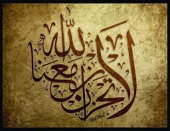
La hawla wala quwata illah billah Asalaamu alaikum, There are far too many narrations that mention the virtue of the Hawqala. And to fully take benefit from them so that they directly impact our lives and mould our characters, it is essential to understand what exactly this phrase 'La Hawla wa la Quwwata illa Billah' means first and foremost. In his magnificent book "Al-Hawqalah: Its meanings, virtues and creedal implications" by Sh. Abd Al-Razzaq al-Badr حفظه الله تعالى - he explains: "Firstly: What is intended by the word ‘Hawqala’? It is a word that is summarised from the statement (La Hawla wa la Quwwata illa Billah). This shortening of a phrase in Arabic is done if it was heard (had a precedent) from the early Arabs. It is realised by taking a few letters from a statement to form a single word... Secondly: The meaning of the statement (La Hawla wa la Quwwata illa Billah). The meaning of 'Hawl' is movement, while the meaning of Quwwah is strength. Thus the meaning of this statement is that there is no movement from one state to another, and neither any strength for the slave to perform any of his affairs, except by Allah, meaning by His Help and tawfeeq and guidance. Some statements have been narrated from the Salaf and scholars after them, which further clarify the meaning. For example, in the statement of Abd-Allah ibn 'Abbas, he explained it as such: "We have no power to act obediently except by Allah, nor do we have strength to leave a sin except by Allah." This was narrated by ibn Abi Hatim. It was narrated that Abd-Allah ibn Mas'ood, who said in explaining its meaning: "There is no strength to stop sinning against Allah except by His Protection, and no power to obey Him except with His Help." It was narrated that 'Ali ibn Abi Talib said, "We do not own anything with Allah, or instead of Him, we do not own except what He has allowed us to, and it ultimately belongs to Him." Zuhayr bin Muhammad was asked about the explanation of 'La Hawla wa la Quwwata illa Billah', so he said: "You do not take what you love except by Allah, and you do not stay away from what you hate except with the Help of Allah." This was narrated by ibn Abi Hatim. Abu al-Haytham ar-Raazi, an Imam in the Arabic language, was asked about its meaning, so he said: 'Hawl' means movement, it is said: 'haal' if a person moves, so it is as if a person is saying: 'There is no movement or ability except by the Will of Allah.' It was said that its meaning is: 'There is no strength in keeping evil away nor power to achieve any good except by Allah.' All of these statements are similar in conveying the intended meanings of this great statement, which is why an-Nawawi said when he related some of these narrations: "They are all quite similar." Once we know this, it becomes easy to see why it holds such abundant reward for the one uttering it. It contains the meaning of (true) Du'a, which is the soul and essence of worshiping Allah. So the one who makes this statement is affirming and submitting himself and admitting that all of his affairs are in the Hand of his Rabb, Master and Creator. A person has no ability to do anything except by the Will of Allah and His tawfeeq. For this reason he seeks refuge and help from Him alone, and depends on Him in all of his matters. In another section of the same book, Sh. Abd Al-Razzaq writes: ...It entails a confession of the Ruboobiyyah (Oneness of Lordship) of Allah, that He alone is the Creator of this universe, who controls its affairs, and he Commands what He wills by His Wisdom. Nothing happens in this universe, neither movement nor stillness, or increase or decrease, or honour or disgrace, or giving or withholding, except by His will. He does what he wishes, He cannot be stopped or defeated, rather he has defeated all of His creation, and everything has submitted humbly to Him. As Allah Said: Verily to him belongs the creation and the command, blessed is Allah , Lord of the worlds. [Al-A'raaf, 54]" ...This statement entails an affirmation of the Names of Allah and His Attributes, for the one who says it is doubtlessly affirming that the one he is making Du'a to and seeking refuge with is free of needs, while everything else needs Him. He is completely independent and everything else is dependent upon Him. ...It entails the affirmation of the ‘Uloohiyyahh (Oneness of Divinity) of Allah, that He alone is the one worthy to be worshiped and no one else deserves worship aside from Him. That is the meaning of ‘illa billaah’ (except with Allah.) This statement shows the importance of the connection with Allah in all matters and aspects of our lives - seeks strength from Allah to fulfill and achieve and conclude our deeds etc. - If we truly implement its meaning, then our yaqeen would become stronger, and our ikhlas and tawwakul in Allah would increase. The concerned Muslim remembers this in all of his affairs. It is a statement of seeking help from Allah, so the one who is consistent in saying it is likely to achieve the aid and tawfeeq of Allah. source
-
“O Allah, make us of Your ‘few’ servants!”
-
Verses in the Qur'an with "Most people" Surah 30. Ar-Rum, Ayah 6 Surah 7. Al-A'raf, Ayah 187 Surah 2. Al-Baqara, Ayah 243 Surah 11. Hud, Ayah 17 Surah 5. Al-Maida, Ayah 59 Surah 6. Al-An'am, Ayah 111 Surah 21. Al-Anbiyaa, Ayah 24 Surah 34. Surah Sabaa, Ayah28
-
"Few of My bondmen are thankful" Surah 34. Saba, Ayah 13 يَعْمَلُونَ لَهُ مَا يَشَاءُ مِنْ مَحَارِيبَ وَتَمَاثِيلَ وَجِفَانٍ كَالْجَوَابِ وَقُدُورٍ رَاسِيَاتٍ ۚ اعْمَلُوا آلَ دَاوُودَ شُكْرًا ۚ وَقَلِيلٌ مِنْ عِبَادِيَ الشَّكُورُ They made for him what he willed: synagogues and statues, basins like wells and boilers built into the ground. Give thanks, O House of David! Few of My bondmen are thankful.
-
Surah 11. Hud, Ayah 116 فَلَوْلَا كَانَ مِنَ الْقُرُونِ مِنْ قَبْلِكُمْ أُولُو بَقِيَّةٍ يَنْهَوْنَ عَنِ الْفَسَادِ فِي الْأَرْضِ إِلَّا قَلِيلًا مِمَّنْ أَنْجَيْنَا مِنْهُمْ ۗ وَاتَّبَعَ الَّذِينَ ظَلَمُوا مَا أُتْرِفُوا فِيهِ وَكَانُوا مُجْرِمِينَ If only there had been among the generations before you men possessing a remnant (of good sense ) to warn (their people) from corruption in the earth, as did a few of those whom We saved from them! The wrong-doers followed that by which they were made sapless, and were guilty.
-
"But a few were they who believed with him" Surah 11. Hud, Ayah 40 حَتَّىٰ إِذَا جَاءَ أَمْرُنَا وَفَارَ التَّنُّورُ قُلْنَا احْمِلْ فِيهَا مِنْ كُلٍّ زَوْجَيْنِ اثْنَيْنِ وَأَهْلَكَ إِلَّا مَنْ سَبَقَ عَلَيْهِ الْقَوْلُ وَمَنْ آمَنَ ۚ وَمَا آمَنَ مَعَهُ إِلَّا قَلِيلٌ (Thus it was) till, when Our commandment came to pass and the oven gushed forth water, We said: Load therein two of every kind, a pair (the male and female), and thy household, save him against whom the word hath gone forth already, and those who believe. And but a few were they who believed with him.
-
"Thou wilt not cease to discover treachery from all save a few of them" Surah 5. Al-Maaidah Ayah 13 فَبِمَا نَقْضِهِمْ مِيثَاقَهُمْ لَعَنَّاهُمْ وَجَعَلْنَا قُلُوبَهُمْ قَاسِيَةً ۖ يُحَرِّفُونَ الْكَلِمَ عَنْ مَوَاضِعِهِ ۙ وَنَسُوا حَظًّا مِمَّا ذُكِّرُوا بِهِ ۚ وَلَا تَزَالُ تَطَّلِعُ عَلَىٰ خَائِنَةٍ مِنْهُمْ إِلَّا قَلِيلًا مِنْهُمْ ۖ فَاعْفُ عَنْهُمْ وَاصْفَحْ ۚ إِنَّ اللَّهَ يُحِبُّ الْمُحْسِنِينَ And because of their breaking their covenant, We have cursed them and made hard their hearts. They change words from their context and forget a part of that whereof they were admonished. Thou wilt not cease to discover treachery from all save a few of them. But bear with them and pardon them. Lo! Allah loveth the kindly.
-
"Allah hath set a seal upon them for their disbelief, so that they believe not save a few" Surah 4. An-Nisa Ayah155 فَبِمَا نَقْضِهِمْ مِيثَاقَهُمْ وَكُفْرِهِمْ بِآيَاتِ اللَّهِ وَقَتْلِهِمُ الْأَنْبِيَاءَ بِغَيْرِ حَقٍّ وَقَوْلِهِمْ قُلُوبُنَا غُلْفٌ ۚ بَلْ طَبَعَ اللَّهُ عَلَيْهَا بِكُفْرِهِمْ فَلَا يُؤْمِنُونَ إِلَّا قَلِيلًا Then because of their breaking of their covenant, and their disbelieving in the revelations of Allah, and their slaying of the Prophets wrongfully, and their saying: Our hearts are hardened Nay, but Allah hath set a seal upon them for their disbelief, so that they believe not save a few
-
"If it had not been for the grace of Allah and His mercy ye would have followed Satan, save a few (of you)" Surah 4. An-Nisaa, Ayah 83 وَإِذَا جَاءَهُمْ أَمْرٌ مِنَ الْأَمْنِ أَوِ الْخَوْفِ أَذَاعُوا بِهِ ۖ وَلَوْ رَدُّوهُ إِلَى الرَّسُولِ وَإِلَىٰ أُولِي الْأَمْرِ مِنْهُمْ لَعَلِمَهُ الَّذِينَ يَسْتَنْبِطُونَهُ مِنْهُمْ ۗ وَلَوْلَا فَضْلُ اللَّهِ عَلَيْكُمْ وَرَحْمَتُهُ لَاتَّبَعْتُمُ الشَّيْطَانَ إِلَّا قَلِيلًا And if any tidings, whether of safety or fear, come unto them, they noise it abroad, whereas if they had referred it to the messenger and such of them as are in authority, those among them who are able to think out the matter would have known it. If it had not been for the grace of Allah and His mercy ye would have followed Satan, save a few (of you).
-
"They believe not, save a few" Surah 4. An-Nisaa, Ayah 46 مِنَ الَّذِينَ هَادُوا يُحَرِّفُونَ الْكَلِمَ عَنْ مَوَاضِعِهِ وَيَقُولُونَ سَمِعْنَا وَعَصَيْنَا وَاسْمَعْ غَيْرَ مُسْمَعٍ وَرَاعِنَا لَيًّا بِأَلْسِنَتِهِمْ وَطَعْنًا فِي الدِّينِ ۚ وَلَوْ أَنَّهُمْ قَالُوا سَمِعْنَا وَأَطَعْنَا وَاسْمَعْ وَانْظُرْنَا لَكَانَ خَيْرًا لَهُمْ وَأَقْوَمَ وَلَٰكِنْ لَعَنَهُمُ اللَّهُ بِكُفْرِهِمْ فَلَا يُؤْمِنُونَ إِلَّا قَلِيلًا Some of those who are Jews change words from their context and say: "We hear and disobey; hear thou as one who heareth not" and "Listen to us!" distorting with their tongues and slandering religion. If they had said: "We hear and we obey; hear thou, and look at us" it had been better for them, and more upright. But Allah hath cursed them for their disbelief, so they believe not, save a few.
-
"Then, after that, ye slid back, save a few of you, being averse" Surah 2. Surah Al-Baqarah Ayah 83 وَإِذْ أَخَذْنَا مِيثَاقَ بَنِي إِسْرَائِيلَ لَا تَعْبُدُونَ إِلَّا اللَّهَ وَبِالْوَالِدَيْنِ إِحْسَانًا وَذِي الْقُرْبَىٰ وَالْيَتَامَىٰ وَالْمَسَاكِينِ وَقُولُوا لِلنَّاسِ حُسْنًا وَأَقِيمُوا الصَّلَاةَ وَآتُوا الزَّكَاةَ ثُمَّ تَوَلَّيْتُمْ إِلَّا قَلِيلًا مِنْكُمْ وَأَنْتُمْ مُعْرِضُونَ And (remember) when We made a covenant with the Children of Israel, (saying): Worship none save Allah (only), and be good to parents and to kindred and to orphans and the needy, and speak kindly to mankind; and establish worship and pay the poor-due. Then, after that, ye slid back, save a few of you, being averse.
-
When ‘Umar bin al-Khattab radhiAllahu `anhu was walking in the market, he passed by a man who was supplicating, ‘Umar asked him, “Where did you get this du`a from?” And the man said, “Allah in His Book says: ‘And few of My servants are grateful.’ (Qur’an 34:13) ‘Umar wept and admonished himself, “The people are more knowledgeable than you, O ‘Umar! O Allah make us of Your ‘few’ servants.” ابن أبي شيبة في مصنفه 10 / 332 Ibn Abi Shayba's Musannaf. (Narrated by the Tabieen Ibrahim Taimi) Below are a compilation of more such verses of the Glorious Qur'an....
-
Fitrana (Sadaqatul-Fit’r) Sadaqah al-fitr (Fitrana) for Muslims in Britain Wifaqul Ulama Iftaa (Department) Statement issued on the 01st of May 2017
-
Finality of Prophethood and the Coming of Jesus by Mawlana Qari Muhammad Tayyib Translated by Hamood Aleem (Translator’s note: The nuzul (descent) of Sayyiduna ‘Isa / Jesus (peace be upon him) in the last of times is an undeniable reality. In his book Aftab-e-Nubuwwat, Mawlana Qari Muhammad Tayyib, the late rector of Darul ‘Ulum Deoband and the great grandson of its founder, Mawlana Qasim Nanotwi, brings to light a wisdom of this nuzul. He explains that the coming of Sayyiduna ‘Isa (peace be upon him) as a follower of the Last Prophet ﷺ rather than as an independent prophet is a clear proof and reinforcement of the concept of khatm al-nubuwwah (finality of prophethood). The idea that the coming of Sayyiduna ‘Isa (peace be upon him) in the time period of the Last Prophetﷺ somehow contradicts khatm al-nubuwwah as some falsely argue is soundly debunked through the brief discussion below.) The comprehensiveness of perfection in character that exists in the Messenger of Allah ﷺ is clearly understood from the incident wherein Siddiqah ‘A’ishah (may Allah be pleased with her) was asked about the prophetic character. She responded, “His character was the Qur’an” (Ahmad). In other words, all of that which exists in the Qur’an in the form of knowledge exists in the form of character and aptitude in the Prophet ﷺ … Since the Qur’an encompasses [the knowledge of] all the previous books and is a collection of the Prophet ﷺ’s character, this establishes that his character encompasses all the characteristics of the previous prophets. This is a clear proof for the Prophet ﷺ being the finality of the perfection in character and being at the highest degree of perfection in creation. Hence, it is self-evident from this that the Blessed One ﷺ in whom all the foundations of prophethood are contained and who is superior to all, only he can then be the primary one (asl) of these foundations (prophets). A covenant was taken from the prophets to believe, follow and aid the Prophet [Muhammad] ﷺ on the basis of him being the primary prophet as is clear from the verse of the Qur’an, “When Allah took the covenant of the prophets” )3:81). The Prophet ﷺ elucidated, in light of this verse, that the previous prophets are all under a final prophet by saying, “If Musa (peace be upon him) was alive, he would have had no option except to follow me” (Musannaf Ibn Abi Shaybah). The upshot of this is that Musa (peace be upon him) – the resolute messenger who was given a shari’ah – had to be obeyed [by mankind] in the absence of the final prophet but in the presence of the Final Prophet, rather than being the one who is to be obeyed, he becomes the one who obeys [the Final Prophet]. This is only possible when his rank is deemed below the Final Prophet’s rank, because in reality all the control and authority of the one who is subordinate (ma taht) comes from the one above (ma fawq), i.e., it is given to him by the one who is higher in authority. [The principle is that] in the presence of the primary authority, the authority of the secondary is nonexistent. This is exactly like the prime minister saying to his [subordinate] ministers, “In my presence, none of you has full authority. Your ability to command comes into effect only in my absence.” It can be understood from this that the authority of the one below is nonexistent in the presence of the one above him, even if the rank of the one below customarily remains intact. This principle is not just restricted to this case, but rather this is the case of every primary and secondary entity in any sphere, i.e., in the presence of the primary, the secondary has no control. In the presence of the father, for example, his own son (who has his own children) would feel shy in calling himself “father” in front of him, let alone pointing to or using his right of fatherhood. This is because his fatherhood is secondary to his father’s fatherhood, and in the presence of the primary, the status of the secondary does not remain. Furthermore, for example, one would feel shy in referring to a stream as a “river” if the ocean is right in front of him, because [the reality is that] wherever a body of water exists it is directly or indirectly fed by the ocean. This is why once all these mighty rivers reach the ocean, they flow into the ocean’s flow. Their own rate of flow does not remain intact. Also, for example, stars would feel shy to refer to themselves as radiant when the sun is shining, because their primary star is in front of them. In the presence of the primary, the secondary feels shy of its own existence, let alone becoming a claimant to its [independent] existence. In the same manner, upon the rising of the Sun of all Guidance ﷺ, it is natural and innate for all the prophets to conform to this Final Prophet rather than implement their own law, i.e., rather than ruling according to their own prophethood or commanding [others] to rule by them. This is the same reality which has been made clear in the above-mentioned hadith that if a previous prophet finds himself in the period of the Final Prophet, the laws of the finality of prophethood (khatm al-nubuwwah) shall apply upon him and his nation rather than his own laws … which in reality is a clear proof for the Final Prophet ﷺ being primary in perfection, and all non-final prophets being secondary in [this] perfection. Even though the above-mentioned hadith in regards to Musa (peace be upon him) portrays a hypothetical scenario but when in the period[1] of the Prophet ﷺ, ‘Isa (or Jesus) (peace be upon him) will be made to descend from the heavens, he will [in actuality] follow the religion of the Final Prophet. In fact, it is possible that ‘Isa (peace be upon him) was raised to the heavens alive, so that he be made to descend from the heavens to the earth in the last period to make this very reality apparent, such that in the age of strife he perform renewal (tajdid) of the Shar‘iah of the Prophet ﷺ, while obeying it, with all the powers of his prophethood. Therefore, through this, the obedience of a previous prophet to the Shari’ah of the Prophet ﷺ no longer remains a matter of creed (aqidah) only, but rather a practical example will [now] be in front of all. This practical example also establishes that this is not just in reference to a single Israelite messenger, but rather the adherence of all the Israelite prophets is established through this because ‘Isa (peace be upon him) is the final prophet of the Banu Isra’il and the last link in the chain of the Israelite prophethood (nubuwwah). If the last link of a continuous chain is pulled in one direction, the entire chain will naturally be pulled in the same direction. The ruling of the last link in the chain will be considered the ruling of the entire chain. Therefore, there is no reason to not accept this as proof for the entire chain of [israelite] prophets to be followers of the way of the Prophet ﷺ, after the descent of ‘Isa (peace be upon him) as a follower of the way of the Prophet ﷺ, as he is the last link in the chain of Banu Isra’il prophets. Especially when this is [also] in accordance with the Torah’s clarification, as has been mentioned in hadiths, that Musa (peace be upon him) supplicated, “If the likes of the ummah of Muhammad cannot be given to me then include me in it”. Therefore, the final prophet of Musa (peace be upon him)’s chain [i.e. ‘Isa, peace be upon him] will be sent as a reviver of Islam and as a follower of the Shari’ah of the Prophet ﷺ. ‘Isa (peace be upon him) will be included in the ummah of the Prophet ﷺ to fulfill the desire of Musa (peace upon him). As ‘Isa (peace be upon him) is a prophet who is the end point of the Israelites, when he becomes a member of the ummah of the Prophet ﷺ, the entirety of Israelite prophethood from Musa to ‘Isa (peace be upon them both) becomes included in the ummah of the Prophet ﷺ as followers. Through the connection between the first and last, i.e., through making apparent the obedience to the way of the Prophet ﷺ by the very first Israelite messenger (Musa) and the very last (‘Isa), all of the Israelite messengers – who were the most superior in the world in their respective times – are as a result proven to be followers of the Prophet ﷺ. In addition to this, all the earlier prophethoods which culminated in the station of Isra’iliyyah, due to them being the predecessors to Isra’iliyyah, are included in this following of the Prophet ﷺ [as well]. Consequently, the same ruling is derived for all the prophets (peace be upon them), i.e., their prophethoods are considered secondary to the final prophethood. Through this, it becomes evident that the Prophet ﷺ is the prophet of the prophets (nabi al-anbiya’). From this, another issue is clarified in regards to the period of the Prophet ﷺ, which is the last period, if the prophets have no option but to practice obedience to the Prophet ﷺ, then it is an open declaration that their nations also have no option but to be obedient to the Final Prophet. In fact, salvation in the Hereafter is restricted to the religion of the Final Prophet [as the Qur’an declares] “If anyone seeks a religion other than Islam, it will not be accepted from him: he will be one of the losers in the Hereafter.” (3:85) Thus, the title of Khatam al-Nabiyyin (Finality of the Prophets) has made apparent the primary nature of the prophethood of the Final Prophet ﷺ and that he is the one who is followed in the universal sense. Aftab-e-Nubuwwat (Idarah Islamiyyat, Pakistan), p.86-89. _____________________________ This refers to the period we are in today in which no new prophet is due to arrive. deoband.org
-
The Condition for the Acceptance of Du‘aas It is necessary to bear in mind that there are certain conditions for the acceptance of du‘aas. In the absence of these conditions, du‘aas may often be rejected. Among these conditions is the consumption of Halaal food. When Haraam is consumed, du‘aas are not accepted. Rasulullah (sallallahu ‘alaihi wasallam) said, “Many a greatly distressed person raises his hands to the heavens, praying and crying, ‘O Allah! O Allah!’ But his food is Haraam, what he drinks is Haraam and his clothes are of Haraam. In such a case, how can his du‘aa be accepted?” A story is related about a group of people in Kufa whose du‘aas would always be accepted. Whenever a (evil) ruler was placed over them, they would make du‘aa against him due to which he would soon be destroyed. When Hajjaaj, the oppressor, became the ruler there, he hosted a feast to which he specifically invited these people. After they had all eaten, he said, "I am now safe from the du‘aa of these people as Haraam food has entered their stomachs.” At this stage let us ponder over how much haraam is being consumed in these times when people are even trying to make permissible the earnings of interest money. We find people go so far as to think that bribery and what is obtained from it is permissible, while our traders very often, when dealing with people, deceive them. (Fazaail-e-A’amaal [urdu], Fazaail-e-Ramadhaan pg. 23) ihyaauddeen.co.za
-
NEEDS VS. WANTS When we moved to our first house in Bloomington, a few years back, one of our neighbours, a very nice young couple who had a 9/10 year old daughter, knocked our door a week or so after we moved in, holding a home-made cake. They came to pay us a visit, to say welcome to the neighbourhood. That was the nicest gesture that made our first experience in an almost all-white American neighbourhood, with its first Muslim family, very pleasant. I do not know if they knew it then, but it is such a refreshing feeling to have people walk up to you with an open-mind and say welcome, we would like to get to know you and who knows, we might become good friends… Another reason why we thought this family was special was their daughter Kate. She was an only child. One of the nicest, most-caring, intelligent, confident, talented, well-mannered young people I have seen in a long time. Her mother and I used to get together time to time for tea. I was caring for an infant, and juggling motherhood, and she was a talented breastfeeding consultant with a big heart. I remember asking her, as I do unceasingly with parents whose kids strike my attention as being exceptional, what they did that worked so well! I was hungry for any advice, especially from a mother whose parenting skills was proven to have worked so well. She shared an important parenting tip, which I found genious (though it might seem common-sense once you hear it, most parents never come up with it on their own): teach her the distinction between needs and wants. We must and will meet all her needs, to the best of our abilities. But we do not have to and will not fulfill all her wants. So when she asks for something, a new toy or a candy, we ask her: do you need this or do you just want this? Teach her this is a want as opposed to a need. Then, depending on your family rules on toys/how much candy and when…etc. you can either get that or not. When she asks for things that she actually needs, say she is thirsty and she asks for a bottle of water in the supermarket, or she does not have slippers for the summer, you point out that she needs these and you are meeting her needs. Of course, we should not do this as if sticking to her eyes, see how good parents we are, we are doing all this for you… That’s not the right attitude or even the reality of the matter. We are only teaching her the difference between needs and wants, AND that she has parents who will try their best to meet her needs, hence she can feel secure, loved, and taken-care-of. Why do this? What is the point of differentiating between needs vs. wants? Well, first of all, in today’s world, children AND adults are conditioned (by society, media, marketing techniques…) that they NEED that toy, they simply NEED that larger, more efficient food processor…etc. This is an economy that is driven by consumerism. They more we consume, the richer some guys get. The more we have to work (hence less time for family) to earn money, so we can buy more things. Ironically, the more we work and become workaholics who spend 5/6 out of 7 days at work, deceiving ourself that we are working for our kids’ benefit (to give them better things, to pay for private school…), the less time we spend with our kids. The less time and energy we have for our family. Ultimately, we have more, and we are less happy. Nothing satisfies us. The more we acquire the more disappointed we are that it does not make us happier. Kids who have everything, can never be satisfied with anything. Hence, they start notching it up more and more. The latest playstation did not work; let’s try a new mustang daddy. Oops, that is not enough either. How about these recreational drugs. I hear they make you really happy! How about risky relationships…. and the climb up continues until the final steep fall… The only way to break the cycle is to put a halt to this cycle of consumerism (work-to buy-work more-to buy more…and so on). We really really do NOT need all this stuff. We want to be happy. We need to be happy. But ‘things’ are not going to make us happy. When we build up their expectations for a new toy, we teach them ‘things’ make us happy, that’s what they should look forward to: If you behave well, I will buy you a lollipop or a new doll. Wait for your birthday and I will get you a big, new firetruck… Instead, we can build their expectations for experiences: We are going to make a special camping trip for your birthday! If you finish your meal, I will teach you how to climb a tree! If you complete your homework, we will go out for a bike race! You can have a play-date with your friend Aisha, if you clean up your room…etc. We can teach our kids the distinction between needs vs. wants only if we adhere to this life-view! If we buy whatever our whim desires, whenever it desires, then we have no shot at instilling these values in our children (nor should we be hypocritical and try). When we buy a new shirt because we truly need it, we must convey this to our kid, frame our purpose in needs vs. wants paradigm. When we are at a store and she is interested in something, we pick it up and she plays with it while we are in there, and puts it back as we leave. This is working almost without any fuss because we have been doing this since she was a baby. Thank God that in the US, no one says anything when your kid plays with a toy in the store (elsewhere this would be inconceivable). Plus I know it for sure that if we were to purchase that toy, her fancy will fade away at most in two days. And we will left with more clutter in our home. We constantly select toys that she is either too old for or she is bored with and she gives them as gifts to other kids or donates them. This way there is room for new things that she might need. I love the motto of SIMPLICITY. A simple life – few chores to do, leaves so much time to do the great things that are important like spending quality time with family. A simple life – few things to buy, leaves so much room for a peaceful mind and serenity. Source: thelittlemuslims.com Jamiatul Ulama (KZN) Council of Muslim Theologians
-
- 1
-

-
Information on 15th Sha'baan - Night Of Barãt
ummtaalib replied to ummtaalib's topic in General Islamic Articles
Sha`baan And The Coming Of Ramadaan Hazrat Maulana Yunus Patel (Rahmatullahi 'alayh) -
Information on 15th Sha'baan - Night Of Barãt
ummtaalib replied to ummtaalib's topic in General Islamic Articles
Sha'ban & 15th night in a nutshell -
Rulings related to Purity of a Woman in Istihaadhah
ummtaalib posted a topic in Fiqh of Menstruation
DOES A WOMAN IN ISTIHADAH HAVE TO CHANGE THE SANITARY TOWEL? QUESTION: If someone is on istihaadha, obviously they have to do wudhu for every namaz. Do they also have to change their sanitary towels also? Or is it considered paak. ANSWER: In the Name of Allah, the Most Gracious, the Most Merciful. As-salāmu ‘alaykumwa-rahmatullāhiwa-barakātuh. At the outset, we wish to clarify that not every woman in istiḥāḍah has to perform wudhu for every Ṣalāh. There is more detail on the matter. Women in istiḥāḍah are two types: 1) Ma’dhurah (excused woman) 2) Ghair Ma’dhurah (unexcused woman) 1) Ma’dhurah (excused woman) Requirement to become a Ma’dhurah (excused woman) for a woman in istiḥāḍah A woman in istiḥāḍah will be considered a Ma’dhurah (excused woman) if an entire time[1] of a Fardh[2] Ṣalāh passes[3] in which she is unable to complete her wudhu and pray her Fardh Ṣalāh[4] without an emission of the blood of istiḥāḍah[5]. The entire time of a Fardh Ṣalāh may even be the shortest time between two Fardh Ṣalāh, for example, the time between Asar Ṣalāh and Maghrib Ṣalāh in winter. If she is unable to make wudhu and perform Ṣalāh without the emission of the blood of istiḥāḍah, and the time of the Fardh Ṣalāh is about to elapse, she will make wudhu and perform the Fardh Ṣalāh.[6] She has now fulfilled the requirement of becoming a Ma’dhurah. Requirement to remain a Ma’dhurah (excused) for a woman in istiḥāḍah After a woman has fulfilled the requirement of becoming a Ma’dhurah (excused woman), in order to remain a Ma’dhurah (excused woman), an emission of the blood of istiḥāḍah must occur at least once during every Fardh Ṣalāh.[7] If an entire time of a Fardh Ṣalāh passes in which there is no emission of the blood of istiḥāḍah at least once, she will no longer be considered a Ma’dhurah (excused woman).[8] Rulings for a Ma’dhurah (excused woman) Ṣalāh of a Ma’dhurah (excused woman): The rulings for the Ṣalāh of a Ma’dhurah (excused woman) will differ according to the following situations: Scenario 1: Ø The emission of the blood of istiḥāḍah occurs during or after making wudhu in the time of the Fardh Ṣalāh Ruling: She will complete the wudhu and perform the Fardh Ṣalāh in spite of the emission of the blood of istiḥāḍah during the Fardh Ṣalāh – she may also perform Nawāfil Ṣalāh or read Qur’ān during this period.[9] Her wudhu will be nullified[10] when the time of the Fardh Ṣalāh ends and she must perform wudhu again for the next Fardh Ṣalāh[11]. Note: If other causes of nullification of wudhu (i.e. other than the blood of istiḥāḍah) occur during the time of the Fardh Ṣalāh, her wudhu will be nullified.[12] After this, if she performs wudhu again, she will determine whether she falls under scenario 1 or scenario 2 in consideration of the new wudhu she has made (scenario 1: there is an emission of the blood of istiḥāḍah during or after the new wudhu, scenario 2: there is no emission of the blood of istiḥāḍah during or after the new wudhu).[13] Example: During her days of istiḥāḍah, a woman begins bleeding after the time of ‘Aṣr Ṣalāh has set in. She is unable to complete her wudhu and perform ‘Aṣr Ṣalāh without the emission of the blood of istiḥāḍah.[14] If this continues until the end of the time for Aṣr Ṣalāh, she shall make wudhu and perform her ‘Aṣr Ṣalāh. She has now fulfilled the requirement of becoming a Ma’dhurah (excused woman). Once the time of ‘Aṣr Ṣalāh elapses, her wudhu will be nullified. In order to remain a Ma’dhurah (excused woman), there should be at least one emission of the blood of istiḥāḍah during the time of Maghrib Ṣalāh. If there is an emission of the blood of istiḥāḍah during the time of Maghrib Ṣalāh, and whilst she is performing wudhu or after performing wudhu for Maghrib Ṣalāh, she sees the blood of istiḥāḍah once again, she will now perform Maghrib Ṣalāh even if there is an emission of the blood of istiḥāḍah during the Ṣalāh. Her wudhu will be nullified upon the expiry of the time of Maghrib Ṣalāh and she must perform wudhu again for ‘Ishā Ṣalāh. If after performing her Maghrib Ṣalāh, if any one of the other forms of nullification of wudhu (i.e. other than the blood of istiḥāḍah) occurs during the time of Maghrib Ṣalāh, her wudhu will be nullified. If she performs wudhu again and there is an emission of the blood of istiḥāḍah during or after the new wudhu, she will follow the ruling for scenario 1; i.e. her new wudhu will be nullified upon the expiry of the time for Maghrib Ṣalāh. If there is no emission of the blood of istiḥāḍah during or after the new wudhu, she will follow the ruling for scenario 2. Scenario 2: Ø There is an emission of the blood of istiḥāḍah before making wudhu and not during or after making wudhu in the time of the Fardh Ṣalāh Ruling: She will perform the Fardh Ṣalāh. However, her wudhu will not be nullified upon the expiry of the time of the Fardh Ṣalāh.[15] Rather, her wudhu will be nullified upon the emission of the blood of istiḥāḍah (during the time of the next Fardh Ṣalāh) or if any of the other causes of nullification of wudhu occur (during the time of the next Fardh Ṣalāh).[16] When there is an emission of the blood of istiḥāḍah[17] during the time of the next Fardh Ṣalāh, she will perform wudhu and may then perform the Fardh Ṣalāh even if there is an emission of the blood of istiḥāḍah during the Fardh Ṣalāh– she may also perform Nawāfil Ṣalāh or read Qur’ān in that period.[18] Her wudhu will then be nullified when the time for the Fardh Ṣalāh elapses.[19] If there is no emission of the blood of istiḥāḍah during the time of the next Fardh Ṣalāh, she will no longer be considered a Ma’dhurah (excused woman). Example: During her days of istiḥāḍah, a woman begins bleeding after the time of Asr Ṣalāh has set in. She is unable to complete her wudhu and perform Asr Ṣalāh without the emission of the blood of istiḥāḍah.[20] If this continues until the end of the time for ‘Aṣr Ṣalāh, she shall make wudhu and perform her ‘Aṣr Ṣalāh. She has now fulfilled the requirement of becoming a Ma’dhurah (excused woman). Once the time of Asr Ṣalāh elapses, her wudhu will be nullified. In order to remain a Ma’dhurah (excused woman), there should be at least one emission of the blood of istiḥāḍah during the time of Maghrib Ṣalāh. If there is an emission of the blood of istiḥāḍah during the time of Maghrib Ṣalāh and after this, there is no emission of the blood of istiḥāḍah whilst performing wudhu for Maghrib Ṣalāh or whilst performing Maghrib Ṣalāh until the time for Maghrib Ṣalāh elapses, her wudhu will not be nullified. Rather, she will still have wudhu until there is an emission of the blood of istiḥāḍah or the wudhu is nullified through other means during or after the time of ‘Ishā Ṣalāh. If during the time of ‘Ishā Ṣalāh, there is an emission of the blood of istiḥāḍah, she will make wudhu and perform her ‘Ishā Ṣalāh even if there is an emission of the blood of istiḥāḍah during the Ṣalāh. Scenario 3: Ø There is no emission of the blood of istiḥāḍah before performing wudhu and not during or after performing wudhu in the time of the Fardh Ṣalāh Ruling: An entire time of a Fardh Ṣalāh has passed in which there was no emission of the blood of istiḥāḍah. Accordingly, she will no longer be considered a Ma’dhurah (excused woman). She will now follow the rulings of a Ghair Ma’dhurah (unexcused woman). Example: During her days of istiḥāḍah, a woman begins bleeding after the time of ‘Aṣr Ṣalāh has set in. She is unable to complete her wudhu and perform ‘Aṣr Ṣalāh without the emission of the blood of istiḥāḍah.[21] If this continues until the end of the time for ‘Aṣr Ṣalāh, she shall make wudhu and perform her ‘Aṣr Ṣalāh. She has now fulfilled the requirement of becoming a Ma’dhurah (excused woman). Once the time of Asr Ṣalāh elapses, her wudhu will be nullified. In order to remain a Ma’dhurah (excused woman), there should be at least one emission of the blood of istiḥāḍah during the time of Maghrib Ṣalāh. If there is no emission of the blood of istiḥāḍah before performing Wudhu for Maghrib Ṣalāh and there is no emission of the blood of istiḥāḍah during or after performing wudhu for Maghrib Ṣalāh, she will now no longer be considered Ma’dhurah (excused woman) as an entire time of a Fardh Ṣalāh (Maghrib Ṣalāh) has passed without the emission of the blood of istiḥāḍah. She will now follow the laws of a Ghair Ma’dhurah (unexcused woman). Note: A subsidiary issue that must be noted is that after a woman in istiḥāḍah has become a Ma’dhurah (excused woman), if she performs wudhu whilst there is an emission of the blood of istiḥāḍah, and the emission of the blood of istiḥāḍah stops before she completes her Ṣalāh, then if there is no emission of the blood of istiḥāḍah during the entire time of the next Fardh Ṣalāh, she shall repeat the Fardh Ṣalāh that she had prayed. For example: If a woman makes wudhu for Zuhr Ṣalāh whilst experiencing the emission of the blood of istiḥāḍah, and the emission of the blood of istiḥāḍah stops before she completes her Zuhr Ṣalāh, then if there is no emission of the blood of istiḥāḍah during the entire time of ‘Aṣr Ṣalāh, she shall repeat her Zuhr Ṣalāh.[22] Blood on the Sanitary Towel of a Ma’dhurah (excused woman) The blood that a Ma’dhurah (excused woman) woman finds on her sanitary towel during her days of istiḥāḍah may be of 3 types: 1) The blood on the sanitary towel is less than or equal to an area of approximately 6 cm2 In this situation, the sanitary towel does not need to be changed for the Ṣalāh to be valid. However, it is still recommended that the sanitary towel is changed. 2) The blood on the sanitary towel is more than an area of approximately 6 cm2 This may be of two types: Ø The woman has a strong conviction she will bleed again before completing the Ṣalāh, In this situation, the sanitary towel does not need to be changed for the Ṣalāh to be valid. Ø The woman has a strong conviction that she will not bleed again before completing the Ṣalāh, In this situation, it is necessary for the sanitary towel to be changed for the Ṣalāh to be valid.[23] 2) Ghair Ma’dhurah (unexcused) Definition of a Ghair Ma’dhurah (unexcused woman) A Ghair Ma’dhurah (unexcused woman) is a woman who is in the state of istiḥāḍah but does not fulfil the requirement for becoming a Ma’dhurah (excused woman) or does not fulfil the requirement for remaining a Ma’dhurah (excused woman).[24] Rulings for a Ghair Ma’dhurah (unexcused woman) Ṣalāh of a Ghair Ma’dhurah (unexcused woman): Her wudhu shall be nullified every time there is an emission of the blood of istiḥāḍah.[25] Her wudhu will not be nullified if the time of a Fardh Ṣalāh elapses and she is in the state of wudhu. Blood on the Sanitary Towel of a Ghair Ma’dhurah (unexcused woman) The blood that a Ghair Ma’dhurah (unexcused) woman finds on her sanitary towel during her days of istiḥāḍah may be of 2 types: 1) The blood on the sanitary towel is more than an area of approximately 6 cm2;[26] the sanitary towel must be changed in order for the Ṣalāh to be valid. If the Ṣalāh is performed with the sanitary towel on, it has to be repeated. 2) If the blood on the sanitary towel is equal to or less than an area of 5.94cm2; the sanitary towel does not need to be changed in order for the Ṣalāh to be valid. However, it is disliked (makrūh tanzῑhῑ) for her to pray Ṣalāh with the sanitary towel on if she is aware of the blood and is able to remove/clean it.[27] And Allah Ta’āla Knows Best Mu’ādh Chati Student DarulIftaa Blackburn, England, UK Checked and Approved by, Mufti Ebrahim Desai. [1] لأن الدم إذا كان سائلا وقت صلاة كامل صار بمنزلة المستحاضة اعتبارا للثبوت بالسقوط الفتاوى الولوالجية للولوالجي ت540ه (58/1) دار الكتب العلمية ولو عرض بعد دخول وقت فرض انتظر إلى آخره فإن لم ينقطع يتوضأ ويصلي ثم إن انقطع في أثناء الوقت الثاني يعيد تلك الصلاة وإن استوعب الوقت الثاني لا يعيد لثبوت العذر حينئذ من وقت العروض رد المحتار لإبن عابدين ت1252ه (315/2) دار الثقافة والتراث (وصاحب عذر من به سلس بول) لا يمكنه إمساكه (أو استطلاق بطن أو انفلات ريح أو استحاضة) أو بعينه رمد أو عمش أو غرب وكذا كل ما يخرج بوجع ولو من أذن وثدي وسرة (إن استوعب عذره تمام وقت صلاة مفروضة) بأن لا يجد في جميع وقتها زمنا يتوضأ ويصلي فيه خاليا عن الحدث (ولو حكما) لأن الإنقطاع اليسير ملحق بالعدم رد المحتار لإبن عابدين ت1252ه (313/2) دار الثقافة والتراث [2] (قوله مفروضة) احترز به عن الوقت المهمل كما بين الطلوع والزوال فإنه وقت لصلاة غير مفروضة وهي العيد والضحى كما سيثير إليه فلو استوعبه لا يصير معذورا وكذا لو استوعبه الإنقطاع لا يكون برءا أفاده "الرحمتي" رد المحتار لإبن عابدين ت1252ه (314/2) دار الثقافة والتراث [3] قال الفاضل السروجي في الغاية ذكر في الذخيرة والفتاوى المرغينانية والواقعات والحاوي وخير مطلوب وجامع الخلاطي والمنافع والحواشي أنه لا يثبت حكم الاستحاضة فيها حتى يستمر بها الدم وقت صلاة كاملا ويستوعب الوقت كله ويكون الثبوت مثل الانقطاع في اشتراط الاستيعاب قال الزيلعي بعدما اطلع على كلام الغاية ونقله وفي الكافي لحافظ الدين وإنما يصير صاحب عذر إذا لم يجد في وقت صلاة زمانا يتوضأ ويصلي فيه خاليا عن الحدث ثم قال فهذه عامة كتب الحنفية كما تراه فكان هو الأظهر وأراد به الرد على الكافي بأن كلامه مخالف لتلك الكتب أقول لا مخالفة بينهما لأن المراد بما ذكر في تلك الكتب من استيعاب ثبوت العذر تمام وقت الصلاة عين ما ذكر في الكافي بدليل أن شراح جامع الخلاطي قالوا في شرح قوله لأن زوال العذر باستيعاب الوقت كالثبوت أن الانقطاع الكامل معتبر في إبطال رخصة المعذور والقاصر غير معتبر إجماعا فاحتيج إلى حد فاصل فقدرنا بوقت الصلاة كما قدرنا به ثبوت العذر ابتداء فإنه يشترط لثبوته في الابتداء دوام السيلان من أول الوقت إلى آخره لأنه إنما يصير صاحب عذر ابتداء إذا لم يجد في وقت صلاة زمانا يتوضأ فيه ويصلي خاليا عن الحدث الذي ابتلي به وللإشارة إلى دفع هذا الاعتراض قلت أولا ولو حكما وآخرا حقيقة درر الحكام لمنلا خسرو ت885ه (44/1) مير محمد كتب خانة ومن لم يمض عليه وقت فرض إلا وبه حدث من استحاضة أو رعاف أو نحوهما يتوضأ لوقت كل فرض له ويصلي به فيه ما شاء فرضا ونفلا (ثم ما في المتن بيان شرط بقاء الإستحاضة بعد ما ثبت حكمها وأما شرط ثبوته ابتداء فأن يستوعب استمرار العذر وقت الصلاة كاملا كالإنقطاع والإنتهاء لا يثبت ما لم يستوعب الوقت كله وفي "الكافي" لحافظ الدين النسفي "وإنما تصير صاحبة عذر إذا لم تجد في وقت الصلاة زمانا تتوضأ وتصلي فيه خاليا عن الحدث" وهذا هو المراد بالإستيعاب فتح باب العناية لملا علي القاري ت1014ه (149-150/1) دار الكتب العلمية [4]فإن توضأت المستحاضة في وقت الظهر وصلت والدم سائل ثم انقطع دمها فصلاتها تامة لبقاء العذر إلى الفراغ من الصلاة وإن كان الانقطاع قبل الشروع في الصلاة أو في خلال الصلاة فعليها إعادة الوضوء والصلاة لأنها صلت بطهارة ذوي الأعذار بعد زوال العذر وهذا إذا تم الانقطاع وقت صلاة أو أكثر فإن كان أقل من ذلك فصلاتها تامة؛ لأن القليل من الانقطاع غير معتبر فإن صاحبة هذه البلوى لا تكاد ترى الدم على الولاء ولكنه يسيل تارة وينقطع أخرى لأنها لو رأت الدم على الولاء أضناها ذلك وربما يكون سببا لهلاكها فجعلنا القليل من الانقطاع عفوا وجعلنا الفاصل بين القليل والكثير وقت صلاة كاملا اعتبارا للانقطاع بالسيلان فإن السيلان إذا كان دون وقت صلاة لا يثبت به حكم الاستحاضة وإذا كان وقت صلاة أو أكثر يثبت به حكم الاستحاضة وكذلك الانقطاع إذا كان دون وقت صلاة لا يكون برأ وإن كان وقت صلاة أو أكثر كان برأ والله أعلم بالصواب المبسوط للسرخسي ت438ه (143/3) دار المعرفة الإستحاضة إنما تعرف بإستمرار الدم تمام وقت صلاة كاملا... وحد صيرورة الإنسان صاحب جرح سائل بالسلس والرعاف والدمامل والجراحات واستطلاق البطن وحد المستحاضة سواء لأن المعنى يعمهما المحيط البرهاني لبرهان الدين البخاري ت616ه (182/1) إدارة القرآن ومن لم يمض عليه وقت فرض إلا وبه حدث من استحاضة أو رعاف أو نحوهما يتوضأ لوقت كل فرض ويصلي به فيه ما شاء من فرض ونفل وينقضه خروج الوقت شرح الوقاية للمحبوبي ت747ه (93/1) الوراق والمستحاضة هي التي لا يمضي عليها وقت صلاة إلا والحدث الذي ابتليت به يوجد فيه وهذا شرط البقاء فأما شرط ثبوت هذا الإسم أن يستمر بها الدم من أول الوقت إلى آخره ولا ينقطع مقدار ما لو توضأت وصلت المستصفى شرح الفقه النافع لحافظ الدين النسفي ت710ه (379) جامعة أم القرى وفي الكافي إنما يصير صاحب عذر إذا لم يجد في وقت الصلاة زمنا يتوضأ ويصلي فيه خاليا عن الحدث فتح القدير لإبن الهمام ت861ه (128/1) بولاق (ثم إن الحدث إن استوعب) ولو حكما (وقت صلاة) مفروضة (بأن لم يوجد فيه زمان خال عنه يسع الوضوء والصلاة يسمى عذرا وصاحبه) يسمى (معذورا و) يسمى أيضا (صاحب العذر) هكذا ذكر في "الكافي" ونقل الزيلعي عن عدة كتب شرط استيعاب الوقت كله ثم قال هو أظهر قال مولانا خسرو أراد به الرد على "الكافي" إذا العلم بحقيقة الإستيعاب متعسر بل متعذر خصوصا للمستحاضة فإنها تتخذ الكرسف فكيف يتيسر معرفة استيعاب خروج الدم منهل الواردين لإبن عابدين ت1252ه (216/1) المكتبة الأزهرية ومن لم يمض عليه وقت فرض إلا به حدث من استحاضة أو رعاف أو نوحهما يتوضأ لوقت كل فرض ويصلي به فيه ما شاء فرضا ونفلا وينقضه خروج الوقت قوله (إلا به حدث) أي لم يمض ذلك في حال من الأحوال إلا في دوام حدثه حقيقة أو حكمية كما إذا ابتلي به عند الصلاة وذلك بالإتفاق أو عند الوضوء وذا بالإختلاف فلا اعتبار للإبتداء في غير هذين...واعلم أن ما ذكره لبقاء صاحب العذر على ما ذكرنا مشير إلى أنه يشترط لثبوته دوام الحدث دواما حقيقيا لا حكميا لأن حكم البقاء أسهل من الإبتداء فيشترط أن لا يجد في وقت صلاة كامل ساعة خالية يتمكن من الوضوء والصلاة فيها جامع الرموز للقهستاني (52/1) مظهر العجابب اگر ایک مرتبہ کسی نماز کا کامل وقت اس حالت میں گزر جائے کہ اخراج ریح مسلسل رہے یعنی اتنی دیر کے لئے بھی بند نہ ہو کہ وہ وضو کرکے وقتیہ نماز پوری کرسکے تب تو یہ شخص معذور ہے اس کا حکم یہ ہے کہ ہر وقت کے لئے اس کے ذمہ ضروری ہے اور اس وضو سے فرض نفل ادا قضاء جو دل چاہے پڑھتا رہے خروج ریاح ناقض نہیں ہوگا، وقت خارج ہونا اس کے حق میں ناقض ہے، ہر وقت کے لئے علیحدہ وضو ضروری ہے- اور یہ شخص معذور رہے گا جب تک کہ کسی ایک نماز کا کامل وقت عذر سے خالی نہ گزر جائے یعنی معذور رہنے کے لئے یہ ضروری نہیں کہ عذر مسلسل رہے البتہ یہ ضروری ہے کہ ہر نماز کے کامل وقت میں ایک دو مرتبہ عذر کا تحقق ہوجائے اور جب ایسی حالت آجائے گی کہ کامل وقت ایک مرتبہ بھی عذر سے خالی گزر جائے گا تو یہ شخص معذور نہ رہے گا- اور اگر کسی کامل نماز کا وقت ایسا نہیں گزرا کہ اس کو عذر سے خالی رہ کر نماز کا ادا کرنا ممکن ہو بلکہ اتنی گنجائش مل جاتی ہے کہ ہر وقت میں نماز بلا عذر ادا کرسکتا ہے تو یہ معذور نہیں ہے، خروج ریاح اس کے حق میں ناقض وضو ہے فتاوی محمودیہ (213/5) دار الافتاء جامعیہ فاروقیہ [5] ثم المذكور في المغني والجامع الكبير لفخر الإسلام والجامع للإمام التمرتاشي وغيرها أن دوام السيلان من أول الوقت إلى آخره شرط في حالة الثبوت اعتبارا لطرف الثبوت لطرف السقوط فإن المستحاضة إذا انقطع دمها وقت صلاة كامل خرجت من الاستحاضة وفي أقل من ذلك لا تخرج ولكن قال الزاهدي ليس المراد به دوام وجوده وقت صلاة كامل بل المراد به أن لا يوجد في الوقت ساعة خالية عن الحدث يمكنه الوضوء وأداء الفريضة منها ومشى على هذا صاحب الكافي وقال شيخنا رحمه الله وهذا يصلح تفسيرا لعبارتهم إذ قلما يستمر كمال وقت بحيث لا ينقطع لحظة فيؤدي إلى نفي تحققه إلا في الإمكان بخلاف جانب الصحة منه فإنه يداوم انقطاعه وقتا كاملا وهو مما يتحقق قال العبد الضعيف غفر الله تعالى له إلا أن العبارة المنقولة عن الكتب المذكورة تنبؤ عن أن يكون هذا تفسيرا لها مع أن هذا بالصواب أشبه ثم بناء على اشتراط الإستيعاب في الإبتداء قالوا لو سال جرحه انتظر آخر الوقت فإن لم ينقطع توضأ وصلى قبل خروجه فإذا دخل وقت أخرى فانقطع فيه أعاد الأولى لعدم الإستيعاب وإن لم ينقطع في وقت الثانية حتى خرج لا يعيدها لوجود الإستيعاب والتعريف الجامع المانع للمعذور ابتداء وبقاء من استغرق حدثه الذي ابتلي به مما ليس بحيض ولا نفاس وقت صلاة في الإبتداء ول يخل وقت صلاة عنه في البقاء وشرطه ظاهر حلبة المجلي شرح منية المصلي لإبن أمير الحاج الحلبي ت879ه (384/1) دار الكتب العلمية [6] رجل رعف أو سال عن جرحه الدم ينتظر آخر الوقت فإن لم ينتقطع الدم توضأ وصلى قبل خروج الوقت الفتاوى الولوالجية للولوالجي ت540ه (58/1) دار الكتب العلمية [7] واختلف في تفسير صاحب العذر وله ثلاثة شروط: شروط ابتداء وشرط دوام وشرط انقطاع فالأول: الإستيعاب حقيقة أو حكما وقتا كاملا لم يتمكن فيه من الطهارة والصلاة خاليا عن العذر وشرط الدوام: وجوده بعد ذلك ولو مرة في كل وقت وشرط انقطاعه خلو وقت كامل عنه حقيقة تيسير المقاصد للشرنبلالي ت1069ه (d.1069 AH) (80) دار النور It seems that according to the author of Al Muhit, Al Nihayah and Al Inayah, the condition to remain a Ma’dhurah is that blood must exit during or after performing wudhu. According to them, if blood comes out before performing wudhu and does not come out during or after performing wudhu, the woman shall no longer be considered a Ma’dhurah (i.e. will no longer be a Mustahahdah). The author of Al Muhit writes: ومتى حكم باستحاضتها في وقت صلاة إنما يحكم بذلك في وقت صلاة أخرى إذا وجد السيلان في وقت الصلاة الأخرى مقارناً للوضوء أو طارئاً على الوضوء ولا يكتفى بوجود السيلان في وقت الصلاة الأخرى سابقاً على الوضوء حتى إن المرأة إذا استحيضت فدخل وقت العصر ودمها سائل وانقطع فتوضأت والدم كذلك منقطع فلما صلت ركعتين من العصر غربت الشمس فإنها تمضي على صلات ولو حكم باستحاضتها لا تنقض طهارتها بخروج وقت العصر لأن طهارة المستحاضة تنتقض بخروج الوقت على ما نبين بعد هذا إن شاء الله تعالى فينبغي أن لا تمضي على صلاته المحيط البرهاني (182/1) إدارة القرآن وأصل آخر أن الطهارة متى وقعت للسيلان لا يضرها سيلان مثله في الوقت ويضرها حدث آخر وخروج الوقت ومتى وقعت للحدث يضرها حدث آخر والسيلان ولا يضرها خروج الوقت وإنما تعتبر الطهارة واقعة للسيلان إذا كان السيلان مقارناً للطهارة حقيقة أو اعتباراً فالحقيقة ظاهرة، والاعتبار أن يكون الدم منقطعاً وقت الطهارة حقيقة ثم سال قبل أن يستوعب الانقطاع وقت صلاة كامل ويشترط مع ذلك أن تكون الطهارة محتاجاً إليها لأجل السيلان وإنما تعتبر الطهارة واقعة للحدث إذا لم يكن السيلان مقارناً للطهارة حقيقة واعتباراً, والحقيقة ظاهرة, والاعتبار أن يكون الدم منقطعاً وقت الطهارة واستوعب الانقطاع وقت صلاة كامل أما الطهارة إذا وقعت للسيلان إنما لا يضرها سيلان مثله في الوقت لأن الدم يسيل مرة بعد مرة فتبقى مشغولة بالوضوء في كل الوقت، فتحرج ويضرها حدث آخر لأنه لا يوجد مرة بعد مرة أخرى فلا تبقى مشغولة بالوضوء في الوقت لا محالة وإن كان يوجد إلا أنه لا يوجد مرة بعد مرة فلا تبقى مشغولة بالوضوء في كل الوقت فلا تحرج ويضرها خروج الوقت لما ذكرنا أن طهارة المستحاضة مقدرة بالوقت فلا تبقى بعد خروج الوقت وأما إذا وقعت الطهارة للحدث إنما يضرها حدث آخر لأنه لا يوجد مرة بعد مرة أخرى فلا تبقى مشغولة بالوضوء في كل الوقت فلا تحرج ويضرها السيلان أيضا لأنه لا حرج فيه لأنها لا تبقى مشغولة بالوضوء في كل الوقت أيضاً؛ لأن السيلان إنما يوجد بعد مضي وقت صلاة كامل إذا كانت الطهارة واقعة للحدث ولا يضرها خروج الوقت لأن الطهارة عن الحدث ليست بطهارة ضرورية مع قيام المنافي فكانت هذه الطهارة وطهارة الصحيح سواء طهارة الصحيح لا يضرها خروج الوقت كذا ههنا المحيط البرهاني لبرهان الدين البخاري ت616ه (187/1) إدارة القرآن The author of Al Inayah writes: إذا رأت الدم في أول الوقت ثم انقطع فتوضأت ودام الانقطاع حتى خرج الوقت فإن التعريف صادق عليها وليست بمستحاضة بدليل عدم انتقاض طهارتها بخروج الوقت والمستحاضة تنتقض طهارتها بذلك والدليل على عدم انتقاض طهارتها ما ذكره شمس الأئمة السرخسي في الجامع الكبير فإنه قال إذا توضأت المستحاضة في وقت العصر والدم منقطع وصلت ركعتين ثم دخل وقت المغرب ثم سال الدم فعليها أن تتوضأ وتبني على صلاتها لأن انتقاض الطهارة كان بالحدث لا بخروج الوقت ولم يوجد منها أداء شيء من الصلاة بعد الحدث فجاز لها أن تبني وإن كان تعريفا في الانتهاء فقط كما قالوا فكذلك ويلزم اختلاف حقيقة الشيء بالنسبة إلى الحالتين والحقائق لا تختلف ولعل الصواب أن يقال في تعريفها المستحاضة من ثبت عذرها باستمرار الدم من فرجها وقت صلاة كاملا ليس من أوقات الحيض والنفاس ثم لا تخلو عنه منذ توضأت فيه إن دام فقوله من ثبت عذرها بمنزلة الجنس وقوله باستمرار الدم احتراز عمن هو بمعناها ممن به انفلات ريح وانطلاق بطن وغيرهما وقوله من فرجها احتراز كما إذا ثبت عذرها باستمرار الدم من أنفها أو جرح بها فإنها بمعناها وقوله وقت صلاة كاملة لبيان ثبوت عذرها ابتداء وقوله ليس أي ذلك الوقت من أوقات الحيض والنفاس احتراز عما ورد على التعريف الأول من النقض بصورة الحائض والنفساء كالحائض في الورود وقوله ثم لا تخلو أي المستحاضة عنه أي عن الدم منذ توضأت فيه أي في الوقت لبيان أن الاستمرار ليس بشرط في البقاء ولإخراج ما ورد من النقض بقوله وبما إذا رأت الدم في أول الوقت ثم انقطع وإن الدم كان فيه قبل الوضوء والمعتبر أن يكون بعده أو عنده وقوله إن دام يعني الحدث لبيان أن ثبوت كونها مستحاضة لا يتوقف على قوله ثم لا تخلو عنه إلخ وإنما ذلك للبقاء وباستمرار الدم في وقت كامل يثبت ذلك وإن انقطع في الوقت الثاني بالكلية العناية للبابرتي ت786ه (163/1) نسخة "فتح القدير" مكتبة حقانية However, Ibnul Hummam asserts that if blood comes out before performing wudhu and does not come out during or after performing wudhu, the woman will still remain a Ma’dhurah (i.e. will still be a Mustahahdah), but her wudhu will break when she bleeds or nullifies her wudhu during the next Fardh Salah. Hence, he writes: قيل الصحيح أن يقال هي التي لا يخلو وقت الوضوء أو بعده في الوقت عن الحدث الذي ابتليت بدوامه لأنه يرد على الأول إذا رأت الدم أول الوقت ثم انقطع فتوضأت ودام الانقطاع حتى خرج الوقت لا تنتقض طهارتها فلو كان ذلك تفسير المستحاضة لا تنقض لأن المستحاضة حكمها ذلك وحاصل هذا الكلام للمتأمل إناطة ثبوت وصف الاستحاضة واسم المستحاضة بوجود الوضوء وليس بشيء فإنها لو لم تتوضأ ولم تصل لمرض يعجزها عن الإيماء أو فسقا وهي بالوصف المذكور بعد دوامه وقتا كاملا كانت مستحاضة قطعا غاية الأمر أن المستحاضة إنما ينتقض وضوءها بالخروج إذا كان السيلان معه أو بعده في الوقت وترك التقييد به في إعطائها هذا الحكم لظهوره وعليه قلنا لو توضأت وصلت بعض الصلاة فخرج الوقت ثم سال تتوضأ وتبني لأن الانتقاض بالحدث لا بالخروج ليكون بظهور الحدث السابق فتستقبل فتح القدير للكمال ابن الهمام ت861ه (163/1) مكتبة حقانية [8] فإن المستحاضة إذا انقطع دمها مقدار وقت صلاة كامل تخرج من أن تكون مستحاضة فإن كان أقل من ذلك لا تخرج الفتاوى الولوالجية للولوالجي ت540ه (58/1) دار الكتب العلمية (وفي) حق (الزوال) يشترط (استيعاب الإنقطاع) تمام الوقت (حقيقة) لأنه الإنقطاع الكامل (قوله وفي حق الزوال) أي زوال العذر وخروج صاحبه عن كونه معذورا (قوله تمام الوقت حقيقة) أي بأن لا يوجد العذر في جزء منه أصلا رد المحتار لإبن عابدين ت1252ه (315/2) دار الثقافة والتراث [9] مستحاضة توضأت للعصر والدم سائل ثم انقطع فصلت من العصر ركعتين ودخل وقت المغرب فإنها تعيد الوضوء وتستقبل الصلاة وكذلك إن توضأت ودمها منقطع فسال بعد ما صلت ركعتين منها ثم غربت الشمس الجامع الكبير للإمام محمد ت189ه (10) ايج ايم سعيد (ثم إن الحدث إن استوعب) ولو حكما (وقت صلاة) مفروضة (بأن لم يوجد فيه زمان خال عنه يسع الوضوء والصلاة يسمى عذرا وصاحبه) يسمى (معذورا و) يسمى أيضا (صاحب العذر) هكذا ذكر في "الكافي" ونقل الزيلعي عن عدة كتب شرط استيعاب الوقت كله ثم قال هو أظهر قال مولانا خسرو أراد به الرد على "الكافي" إذا العلم بحقيقة الإستيعاب متعسر بل متعذر خصوصا للمستحاضة فإنها تتخذ الكرسف فكيف يتيسر معرفة استيعاب خروج الدم منهل الواردين لإبن عابدين ت1252ه (216/1) المكتبة الأزهرية پھر اس وضو سے فرض، سنت، نفل سب کچھ وقت کے اندر پڑھ سکتی ہےِ فتاوی محمودیہ (223/5) دار الافتاء جامعہ [10] وحاصله أن طهارة المعذور تنتقض بخروج الوقت بالحدث السابق عند أبي حنيفة ومحمد وبدخول الوقت عند زفر وبأيهما كان عند أبي يوسف الهداية للمرغيناني ت593ه (222/1) إدارة القرآن قوله (فإذا خرج الوقت) المراد وقت المفروضة حتى لو توضأ المعذور لصلاة العيد له أن يصلي الظهر عند أبي حنيفة ومحمد وهو الصحيح نص عليه في "الهداية" التصحيح والترجيح لقاسم بن قتلوبغاه ت879ه (149) دار الكتب العلمية [11] رجل به جرح سائل فتوضأ للظهر وجرحه سائل ثم انقطع فافتتح الظهر وهو منقطع أو لم ينقطع حتى صلى من الظهر ركعتين ثم انقطع حتى دخل وقت العصر فإنه يتوضأ للعصر الجامع الكبير للإمام محمد ت189ه (9) ايج ايم سعيد ومن لم يمض عليه وقت فرض إلا به حدث من استحاضة أو رعاف أو نوحهما يتوضأ لوقت كل فرض ويصلي به فيه ما شاء فرضا ونفلا وينقضه خروج الوقت قوله (إلا به حدث) أي لم يمض ذلك في حال من الأحوال إلا في دوام حدثه حقيقة أو حكمية كما إذا ابتلي به عند الصلاة وذلك بالإتفاق أو عند الوضوء وذا بالإختلاف فلا اعتبار للإبتداء في غير هذين...واعلم أن ما ذكره لبقاء صاحب العذر على ما ذكرنا مشير إلى أنه يشترط لثبوته دوام الحدث دواما حقيقيا لا حكميا لأن حكم البقاء أسهل من الإبتداء فيشترط أن لا يجد في وقت صلاة كامل ساعة خالية يتمكن من الوضوء والصلاة فيها جامع الرموز للقهستاني (52/1) مظهر العجابب [12] وإنما تبقى طهارة صاحب العذر في الوقت إذا لم يحدث حدثا آخر أما إذا أحدث حدثا آخر – فلا تبقى لأن الضرورة في الدم السائل لا في غيره فكان هو في غيره كالصحيح فيلزمه الوضوء بدائع الصنائع للكاساني ت587ه (240/1) دار الكتب العلمية (و) المعذور (إنما تبقى طهارته في الوقت) بشرطين (إذا) توضأ لعذره (ولم يطرأ عليه حدث آخر أما إذا) توضأ لحدث آخر وعذره منقطع ثم سال أو توضأ لعذره ثم (طرأ) عليه حدث آخر الدر المختار للحصكفي ت1080ه (320/2) دار الثقافة والتراث [13] وإذا استحيضت المرأة، فدخل وقت الظهر ودمها سائل فتوضأت وصلت ودمها كذلك سائل ثم انقطع الدم وأحدثت حدثاً آخر غير الدم وتوضأت لحدثها والدم كذلك منقطع ثم دخل وقت العصر لا تنتقض طهارتها لأن الطهارة الثانية في وقت الظهر ما وقعت للسيلان لعدم مقارنة السيلان إياها وعدم طريانه عليها فلا ينتقض بخروج الوقت فإن توضأت في وقت العصر مع أن طهارتها لم تنتقض بخروج وقت الظهر والدم كذلك منقطع ثم سال الدم فعليها أن تتوضأ وكان ينبغي أن لا تتوضأ لأن طهارتها في وقت العصر وقعت للسيلان لكون السيلان مقارناً لها اعتباراً لأن الانقطاع لو لم يستوعب وقت صلاة كامل لما سال الدم في وقت العصر فيجعل السيلان قائماً حكماً فكانت الطهارة في وقت العصر واقعة للسيلان فلا تنتقض بسيلان مثله في الوقت والجواب أن الطهارة إنما تعتبر للسيلان إذا كانت الطهارة محتاجاً إليها لأجل السيلان والطهارة في وقت العصر غير محتاج إليها أصلاً لأن الطهارة الثابتة في وقت الظهر لم تنتقض بخروج وقت الظهر فلم تكن الطهارة في وقت العصر محتاجاً إليها فصار وجودها والعدم بمنزلة والطهارة الثابتة في وقت الظهر كانت واقعة عن الحدث حتى لم تنتقض بخروج الوقت فجاز أن تنتقض بالسيلا المحيط البرهاني لبرهان الدين البخاري ت616ه (190/1) إدارة القرآن [14] آپ ایک دفعہ ایسی نماز کا وقت منتخب کریں جو کم از کم ہو اس وقت میں آپ کو فرصت بھی ہو، مغرب کا وقت سب اوقات سے کم ہوتا ہے- میرے مرتبہ نقشہ میں غروب شفق احمر کا وقت دیا گیا ہے اسکو وقت مغرب کی انتہاء قرار دیا جاسکتا ہے- پس آپ کسی روزبوقت مغرب خوب اہتمام سے اسکی کوشش کرے کہ پورے وقت میں ایسا موقع ملجائے جسمیں آپ وضوء کی اور فرض نماز کی سنتیں چھوڑ کر فرض پڑھ سکیں-اگر اتنا وقت نہیں ملتا تو آپ معذور کی تعریف میں داخل ہوگئے آئندہ کے کیلئے یہ ضروری نہیں کہ پورا وقت بیٹھے انتظار کرتے رہیں بلکہ صرف پورے وقت میں ایک دفعہ ریاح کا خراج ضروری ہے جبتک یہ حالت رہے گی آپ معذور ہیں، ہر وقت کے لئے نیا وضو ضروری ہوگا، اس وقت کے اندر اس وضو سے جو چاہیں پڑھیں ۔ ۔ ۔ احسن الفتاوی (76/2) ایچ ایم سعید [15] ولو دخل وقت الصلاة ودمها سائل ثم انقطع فتوضأت ثم صلت ركعتين ثم دخل وقت المغرب مضت عليها فإن سال الدم بعد دخول الوقت وهي في العصر توضأت ومضت عليها الجامع الكبير للإمام محمد ت189ه (10) ايج ايم سعيد [16] التنبيه الأول: إنما يبطل وضوء صاحب العذر بخروج الوقت إذا كان عذره موجودا في حالة الوضوء أو وجد بعده في الوقت أما إذا كان منقطعا حالة الوضوء واستمر الإنقطاع إلى خروج الوقت ولم يكن أحدث حدثا غيره أيضا لا يبطل وضوءه بخروج الوقت حتى كان له في أول الوقت الثاني أن يصلي بذلك الوضوء ما شاء من فرض ونفل ما لم يوجد الحدث الذي ابتلي به أو غيره وقد طعن في هذا إذا عاوده العذر في الوقت الثاني عيسى بن أبان فقال ينبغي أن يعيد الوضوء إذا دخل الوقت الثاني لأنه انقطاع ناقض فلا يمنع اتصال العذر بما تقدم ولنا أن الوضوء وقع كاملا للحدث فلا يبطل بخروج الوقت حلبة المجلي شرح منية المصلي لإبن أمير الحاج ت879ه (380/1) دار الكتب العلمية قال (والمستحاضة هي التي لا تمضي عليها وقت صلاة) لما فرغ من بيان أحكام الإستحاضة عرفها بقوله هي التي لا يمضي عليها وقت صلاة (إلا الحدث الذي ابتليت به يوجد فيه) قال الإمام التمرتاشي والمرغيناني والإمام حميد الدين الضرير وغيرهم أن هذا تعريف المستحاضة في حالة البقاء وأما في حالة الثبوت فيشترط دوام السيلان من أول الوقت إلى آخره اعتبارا بالسقوط فإنه لا يتم حتى ينقطع في الوقت وهو مشكل على كل حال لأنه إن كان تعريفا لها في الإبتداء والإنتهاء على ما يدل عليه ظاهر كلام المصنف فإنه ينتقض بالحائض لأنها قد تكون على وجه لا يمضي عليها وقت صلاة إلا والحدث الذي ابتليت به يوجد فيه وبما إذا رأت الدم في أول الوقت ثم انقطع فتوضأت ودام الإنقطاع حتى خرج الوقت فإن التعريف صادق عليها وليست بمستحاضة بدليل عدم انتقاض طهارتها بخروج الوقت والمستحاضة تنتقض طهارتها بذلك العناية شرح الهداية للبابرتي ت786ه (128/1) بولاق والمستحاضة هي التي لا يمضي عليها وقت صلاة إلا والحدث الذي ابتليت به يوجد فيه وكذا كل من هو في معناها وهو من ذكرناه ومن به استطلاق بطن وانفلات ريح لأن الضرورة بهذا تتحقق وهي تعمم الكل (الهداية) قوله "هي التي الخ" قيل والصحيح أن يقال المستحاضة هي من لا يخلو وقت الوضوء أو بعده في الوقت عن الحدث الذي ابتليت به وذلك لأنه يرد على القول الأول ما إذا رأت الدم في أول الوقت لا تنتقض طهارتها إذا انقطع فتوضأت ودام الإنقطاع حتى خرج الوقت (نهاية) قوله "وقت صلاة" لا بد من العناية فيه بأن يقال المراد من وجود الحدث في وقت الصلاة هو أن يوجد في الوضوء في وقت الصلاة أو بعد الوضوء في وقت الصلاة (نهاية) حاشية اللكنوي على الهداية للكنوي ت1304ه (224/1) إدارة القرآن قوله (وإذا خرج الوقت بطل وضوءهم) هذا إذا توضئوا على السيلان أو وجد السيلان بعد الوضوء أما إذا كان على الإنقطاع ودام الإنقطاع إلى خروج الوقت فلا يبطل بالخروج ما لم يحدث حدثا آخر أو يسيل دمها فتح القدير لإبن الهمام ت816ه (128/1) بولاق حتى لو توضأ على الإنقطاع ودام إلى خروجه لم يبطل بالخروج ما لم يطرأ حدث آخر أو يسيل (قوله حتى لو توضأ الخ) تفريع على قوله (أي ظهر حدثه السابق) فإن معناه أنه يظهر حدثه الذي قارن الوضوء أو الذي طرأ عليه بأن توضأ على السيلان أو وجد السيلان بعده في الوقت أي فأما إذا توضأ على الإنقطاع ودام إلى الخروج فلا حدث بل هو طهارة كاملة فلا يبطل بالخروج (قوله ما لم يطرأ إلخ) أي فإنه بعد الخروج لو طرأ – أي عرض له – حدث آخر أو سال حدثه يبطل وضوءه بذلك الحدث فهو كالصحيح في ذلك فتدبر رد المحتار لإبن عابدين ت1252ه (317/2) دار الثقافة والتراث البتہ اگر انقطاع عذر کی حالت میں وضو کیا پھر خراج وقت تک عذر پیش نہ آیا تو خروج وقت سے وضو نہیں گیا بلکہ اسکے بعد جب پھر عذر پیش ائیگا اسو احسن الفتاوی (76/2) ایچ ایم سعید [17] وكذلك إن توضأت للحدث أولا ثم سال دم الإستحاضة فعليها الوضوء لأن الوضوء الأول لما سبق دم الإستحاضة لم يكن واقعا عن دم الإستحاضة فالحكم لا يسبق سببه فكان ذلك في حكم دم الإستحاضة كالمعدوم المبسوط للسرخسي ت483ه (18/2) دار النوادر (و) المعذور (إنما تبقى طهارته في الوقت) بشرطين (إذا) توضأ لعذره و(لم يطرأ عليه حدث آخر أما إذا) توضأ لحدث آخر وعذره منقطع ثم سال أو توضأ لعذره ثم (طرأ) عليه حدث آخر (قوله والمعذور إلخ) تقييد لما علم مما مر من أن وضوءه يبقى ما دام الوقت باقيا (قوله ولم يطرأ) بالهمز... (قوله أما إذا توضأ لحدث آخر) أي لحدث غير الذي صار به معذورا وكان حدثه منقطعا كما في "شرح المنية" أما إذا كان حدثه غير منقطع وأحدث حدثا آخر ثم توضأ فلا ينتقض بسيلان عذره كما هو ظاهر التقييد لأن وضوءه وقع لهما ثم إن ما ذكره "الشارح" محترز قوله (إذا توضأ لعذره) ووجه النقض فيه بالعذر أن الوضوء لم يقع له فكان عدما في حقه "بدائع" وكذا لو توضأ عى الإنقطاع ودام إلى خروج الوقت ثم جدد الوضوء في الوقت الثاني ثم سال انتقض لأن تجديد الوضوء وقع من غير حاجة فلا يعتد به بخلاف ما إذا توضأ بعد السيلان "زيلعي" رد المحتار لإبن عابدين ت1252ه (320/2) دار الثقافة والتراث [18] ثم إنما تنتقض طهارتها بخروج الوقت لو توضأت والدم سائل أو سال بعد الوضوء في الوقت وأما إذا لم يكن سائلا عند الوضوء ولم يسل بعده فلا حتى إذا توضأت والدم منقطع ثم خرج الوقت وهي على وضوئها لها أن تصلي بذلك الوضوء ما لم يسل أو تحدث حدثا آخر لأنه لم يوجد السيلان بعده حتى ينتقض بخروج الوقت... ولو جددت الوضوء في الوقت الثاني والمسألة بحالها، ثم سال الدم انتقض طهارتها؛ لأن تجديد الوضوء وقع من غير حاجة فلا يعتد به بخلاف ما إذا توضأت بعد السيلان تبيين الحقائق للزيلعي ت743ه (66/1) مكتبة إمدادية (قوله بخلاف ما إذا توضأت بعد السيلان) فإنه لا ينتقض بالسيلان بعده لأنه عن حاجة حاشية الشلبي على تبيين الحقائق ت1021 (66/1) مكتبة إمدادية [19] وحاصله أن طهارة المعذور تنتقض بخروج الوقت بالحدث السابق عند أبي حنيفة ومحمد وبدخول الوقت عند زفر وبأيهما كان عند أبي يوسف الهداية للمرغيناني ت593ه (222/1) إدارة القرآن قوله (فإذا خرج الوقت) المراد وقت المفروضة حتى لو توضأ المعذور لصلاة العيد له أن يصلي الظهر عند أبي حنيفة ومحمد وهو الصحيح نص عليه في "الهداية" التصحيح والترجيح لقاسم بن قتلوبغاه ت879ه (149) دار الكتب العلمية وطهارة صاحب العذر ينقض بخروج الوقت الفرض عندنا أي بالحدث السابق الكائن عنده مختارات النوازل للمرغيناني ت593ه (68) مكتبة الإرشاد [20] آپ ایک دفعہ ایسی نماز کا وقت منتخب کریں جو کم از کم ہو اس وقت میں آپ کو فرصت بھی ہو، مغرب کا وقت سب اوقات سے کم ہوتا ہے- میرے مرتبہ نقشہ میں غروب شفق احمر کا وقت دیا گیا ہے اسکو وقت مغرب کی انتہاء قرار دیا جاسکتا ہے- پس آپ کسی روزبوقت مغرب خوب اہتمام سے اسکی کوشش کرے کہ پورے وقت میں ایسا موقع ملجائے جسمیں آپ وضوء کی اور فرض نماز کی سنتیں چھوڑ کر فرض پڑھ سکیں-اگر اتنا وقت نہیں ملتا تو آپ معذور کی تعریف میں داخل ہوگئے آئندہ کے کیلئے یہ ضروری نہیں کہ پورا وقت بیٹھے انتظار کرتے رہیں بلکہ صرف پورے وقت میں ایک دفعہ ریاح کا خراج ضروری ہے جبتک یہ حالت رہے گی آپ معذور ہیں، ہر وقت کے لئے نیا وضو ضروری ہوگا، اس وقت کے اندر اس وضو سے جو چاہیں پڑھیں ۔ ۔ ۔ احسن الفتاوی (76/2) ایچ ایم سعید [21] آپ ایک دفعہ ایسی نماز کا وقت منتخب کریں جو کم از کم ہو اس وقت میں آپ کو فرصت بھی ہو، مغرب کا وقت سب اوقات سے کم ہوتا ہے- میرے مرتبہ نقشہ میں غروب شفق احمر کا وقت دیا گیا ہے اسکو وقت مغرب کی انتہاء قرار دیا جاسکتا ہے- پس آپ کسی روزبوقت مغرب خوب اہتمام سے اسکی کوشش کرے کہ پورے وقت میں ایسا موقع ملجائے جسمیں آپ وضوء کی اور فرض نماز کی سنتیں چھوڑ کر فرض پڑھ سکیں-اگر اتنا وقت نہیں ملتا تو آپ معذور کی تعریف میں داخل ہوگئے آئندہ کے کیلئے یہ ضروری نہیں کہ پورا وقت بیٹھے انتظار کرتے رہیں بلکہ صرف پورے وقت میں ایک دفعہ ریاح کا خراج ضروری ہے جبتک یہ حالت رہے گی آپ معذور ہیں، ہر وقت کے لئے نیا وضو ضروری ہوگا، اس وقت کے اندر اس وضو سے جو چاہیں پڑھیں ۔ ۔ ۔ احسن الفتاوی (76/2) ایچ ایم سعید [22] فإن توضأت المستحاضة في وقت الظهر وصلت والدم سائل ثم انقطع دمها فصلاتها تامة لبقاء العذر إلى الفراغ من الصلاة وإن كان الانقطاع قبل الشروع في الصلاة أو في خلال الصلاة فعليها إعادة الوضوء والصلاة لأنها صلت بطهارة ذوي الأعذار بعد زوال العذر وهذا إذا تم الانقطاع وقت صلاة أو أكثر فإن كان أقل من ذلك فصلاتها تامة؛ لأن القليل من الانقطاع غير معتبر فإن صاحبة هذه البلوى لا تكاد ترى الدم على الولاء ولكنه يسيل تارة وينقطع أخرى لأنها لو رأت الدم على الولاء أضناها ذلك وربما يكون سببا لهلاكها فجعلنا القليل من الانقطاع عفوا وجعلنا الفاصل بين القليل والكثير وقت صلاة كاملا اعتبارا للانقطاع بالسيلان فإن السيلان إذا كان دون وقت صلاة لا يثبت به حكم الاستحاضة وإذا كان وقت صلاة أو أكثر يثبت به حكم الاستحاضة وكذلك الانقطاع إذا كان دون وقت صلاة لا يكون برأ وإن كان وقت صلاة أو أكثر كان برأ والله أعلم بالصواب المبسوط للسرخسي ت483ه (143/2) دار النوادر إذا استحيضت المرأة فدخل وقت الظهر ودمها سائل فتوضأت ثم انقطع الدم بعد الوضوء فصلت الظهر ودام الانقطاع إلى أن خرج وقت الظهر تنتقض طهارتها لأن هذه الطهارة وقعت للسيلان لكون السيلان مقارناً لها وقد ذكرنا أن الطهارة الواقعة للسيلان يضرها خروج الوقت فإن توضأت في وقت العصر والدم منقطع وصلت العصر ثم سال الدم بعد ذلك في وقت العصر لا تنتقض طهارتها لأن طهارتها في وقت العصر وقعت للسيلان لكون السيلان مقارناً لها اعتباراً بثباته وهو من الانقطاع الناقص وهو الانقطاع الذي لا يستوعب وقت صلاة كامل، وإنما يوجد في بعض وقت الصلاة دون البعض ليس بفاصل بين الدمين والانقطاع التام الذي يستوعب وقت صلاة كامل فاصل، وهذا لأن الدم لا يسيل على الولاء بل ينقطع ساعة ويسيل أخرى فلو جعلنا الناقص فاصلاً تبقى مشغولة بالوضوء في كل الوقت فلا يمكنها إقامة الصلاة في الوقت أبداً أما لو جعلنا الكامل فاصلاً لا تبقى مشغولة بالوضوء في كل الوقت فعليها الأداء في الوقت إذا ثبت هذا فنقول في مسألتنا الانقطاع لم يستوعب وقت صلاة كامل فلم يصر فاصلاً بل جعل كالدم المتوالي فكان السيلان مقارناً للطهارة في وقت العصر اعتباراً فكانت واقعة للسيلان فلا تنتقض بسيلان مثله ما دام الوقت باقيا فإن كان الدم لم يسل وقت العصر بل دام الانقطاع إلى أن دخل وقت المغرب فإذا توضأت تعيد الظهر ولا تعيد العصر وإنما تعيد الظهر لأن الانقطاع استوعب وقت صلاة كامل فجعل فاصلاً بين الدمين وحكم بزوال ذلك العذر فتبين أنها صلت الظهر بطهارة المعذورين ولا عذر لها المحيط البرهاني لبرهان الدين البخاري ت616ه (188/1) إدارة القرآن وهذا كما قالوا في جانب الانقطاع أن الوضوء لو كان على السيلان والصلاة على الانقطاع أو انقطع في أثناء صلاتها إن عاد في الوقت الثاني فلا إعادة عليها لعدم الانقطاع التام وإن لم يعد فعليها الإعادة لوجود الانقطاع التام فتبين أنها صلت صلاة المعذورين ولا عذر تبيين الحقائق للزيلعي ت743ه (66/1) مكتبة امدادية وإذا انقطع الدم وقتا كاملا يخرج من أن يكون صاحب عذر حتى لو توضأ على السيلان وصلى على الإنقطاع أو انقطع في أثناء الصلاة فإن عاد في وقت الثانية فلا إعادة لعدم الإنقطاع وقتا تاما وإن لم يعد فعليه الإعادة للإنقطاع التام فتبين أنه صلى صلاة المعذورين ولا عذر حلبة المجلي شرح منية المصلي ت879ه (384/1) دار الكتب العلمية فيسقط العذر من أول الانقطاع حتى لو انقطع في أثناء الوضوء أو الصلاة ودام الانقطاع إلى آخر الوقت الثاني يعيد رد المحتار لإبن عابدين ت1252ه (315/2) دار الثقافة والتراث [23]وفي النوازل وإذا كان به جرح سائل وشد عليه خرقة فأصابه الدم أكثر من قدر الدرهم أو أصاب ثوبا فصلى ولم يغسله إن كان غسله ينجس ثانيا قبل الفراغ جاز أن لا يغسله وإلا لا هو المختار مجمع الأنهر شرح ملتقى الأبحر لشيخي زاده ت1078ه (86/1) دار الكتب العلمية وفي "الفتاوى"...وإن سال الدم بعد الوضوء حتى نفذ الرباط يصلي كذلك فتجوز صلاته وإن أصاب من ذلك الدم ثوبه أكثر من قدر الدرهم لزمه غسل الثوب إذا علم أنه لو غسله لا يصيبه الدم ثانيا وثالثا أما إذا علم أنه يصيبه ثانيا وثالثا فلا يتفرض عليه غسله وفي "واقعات الناطفي رحمه الله تعالى" إذا كان به جرح سائل وقد شد عليه خرقة فأصابها أكثر من قدر الدرهم وأصاب ثوبه أكثر من قدر الدرهم إذا كان بحال لو غسل يتنجس قبل الفراغ من الصلاة ثانيا جاز له أن لا يغتسل ويصلي قبل أن يغتسل وإلا فلا قال الصدر الشهيد وهو المختار المحيط البرهاني لبرهان الدين البخاري ت616ه (192/1) إدارة القرآن فإن أصاب ثوبه من ذلك الدم فعليه أن يغسل إن كان مفيدا أما إذا لم يكن مفيدا بأن كان مصيبه مرة أخرى ثانيا وثالثا لا يفترض عليه غسله وقال محمد بن مقاتل رحمه الله يفترض عليه غسل ثوبه في وقت كل صلاة مرة والفتوى على الأول خلاصة الفتاوى لطاهر البخاري ت بعد 600ه (17/1) مكتبة رشيدية ثم إذا أصاب ثوب صاحب العذر نجس من الحدث الذي ابتلي به فعليه أن يغسله إذا كان مفيدا بأن لا يصيبه مرة أخرى حتى لو لم يغسله وهو أكثر من قدر الدرهم لم تجز صلاته وإن لم يكن مفيدا بأن كان يصيبه مرة بعد أخرى أجزأه تبيين الحقائق للزيلعي ت743ه (66/1) مكتبة إمدادية وأما حكم النجاسة ثوب المعذور فنقول إذا أصاب ثوبه من ذلك أكثر من قدر الدرهم يجب غسله إذا كان الغسل مفيدا بأن كان لا يصيبه مرة بعد أخرى حتى لو لم يغسل وصلى لا يجزئه وإن لم يكن مفيدا لا يجب مادام العذر قائما وهو اختيار مشايخنا حلبة المجلي شرح منية المصلي لإبن أمير الحاج ت879ه (382/1) دار الكتب العلمية فرع إذا أصاب ثوب المعذور نجاسة عذره هل يجب غسله قيل لا لأن الوضوء عرف بالنص والنجاسة ليست في معناه لأن قليلها يعفى فألحق به الكثير للضرورة ولأنه غير ناقض للوضوء فلم يكن نجسا حكما ولأن أمر الثوب ليس بآكد من البدن وهو قول ابن سلمة كما في القهستاني وغيره وفي البدائع يجب غسل الزائد عن الدرهم إن كان مفيدا بأن لا يصيبه مرة بعد أخرى حتى لو لم يغسل وصلى لا يجزيه وإن لم يكن مفيدا لا يجب ما دام العذر قائما وهو اختيار مشايخنا اهـ وكان محمد بن مقاتل الرازي يقول يجب غسله في كل وقت قياسا على الوضوء والصحيح قول مشايخنا لأن حكم الحدث عرف بالنص والنجاسة ليست في معناه ألا ترى أن القليل منها عفو فلا تلحق به وفي النوازل إن كان لو غسله تنجس ثانيا قبل الفراغ من الصلاة جاز أن لا يغسله وإلا فلا قال وهو المختار اهـ قال ابن أمير حاج ويشكل عليه ما قدمناه عن البدائع وفي المضمرات في فصل الاستنجاء عن النوازل أيضا المستحاضة إذا توضأت لوقت كل صلاة لا يجب عليها الاستنجاء إذا لم يكن منها غائط لأنه سقط اعتبار نجاسة دمها لمكان العذر اهـ فهذا أيضا يشكل على ما اختاره إذ سقوط إعتبار نجاسة دمها عام في البدن والثوب دفعا للحرج إذ لم يأمرها صلى الله عليه وسلم بغسله وتأخير البيان عن وقت الحاجة لا يجوز حاشية الطحطاوي على مراقي الفلاح للطحطاوي ت1230ه (150) دار الكتب العلمية (ودم استحاضة) حكمه (كرعاف دائم) وقتا كاملا (لا يمنع صوما وصلاة)... (وإن سال على ثوبه) فوق الدرهم (جاز له أن لا يغسله إن كان لو غسله تنجس قبل الفراغ منها) أي الصلاة (وإلا) يتنجس قبل فراغه (فلا) يجوز ترك غسله هو المختار للفتوى (قوله هو المختار للفتوى) وقيل لا يجب غسله أصلا وقيل إن كان مفيدا بأن لا يصيبه مرة أخرى يجب وإن كان يصيبه المرة بعد الأخرى فلا واختاره السرخسي بحر قلت بل في البدائع أنه اختيار مشايخنا وهو الصحيح اهـ فإن لم يمكن التوفيق بحمله على ما في المتن فهو أوسع على المعذورين ويؤيد التوفيق ما في الحلية عن الزاهدي عن البقالي لو علمت المستحاضة أنها لو غسلته يبقى طاهرا إلى أن تصلي يجب بالإجماع وإن علمت أنه يعود نجسا غسلته عند "أبي يوسف" دون "محمد" اهـ لكن فيها عن "الزاهدي" أيضا عن "قاضي صدر" "أنه لو بقي طاهرا إلى أن تفرغ من الصلاة ولا يبقى إلى أن يخرج الوقت فعندنا تصلي بدون غسلة خلافا لـ الشافعي لأن الرخصة عندنا مقدرة بخروج الوقت وعنده بالفراغ من الصلاة" لكن هذا قول "ابن مقاتل الرازي" فإنه يقول يجب غسله في وقت كل صلاة قياسا على الوضوء وأجاب عنه في "البدائع" "بأن حكم الحدث عرفناه بالنص ونجاسة الثوب ليست في معناه فلا تلحق به" رد المحتار لإبن عابدين ت1252ه (318/2) دار الثقافة والتراث (فروع) وينبغي لصاحب الجرح أن يربطه تقليلا للنجاسة ولو سال على ثوبه فعليه أن يغسله إذا كان مفيدا بأن لا يصيبه مرة أخرى وإن كان يصيبه المرة بعد الأخرى أجزأه ولا يجب غسله ما دام العذر قائما وقيل لا يجب غسله أصلا واختار الأول السرخسي والمختار ما في النوازل إن كان لو غسله تنجس ثانيا قبل الفراغ من الصلاة جاز أن لا يغسله وإلا فلا البحر الرائق لإبن نجيم ت970ه (1227/) ايج ايم سعيد رہا کپرا پاک کڑنے کا حکم تو اس میں تفصیل یہ ہے کہ اگر کپڑے کا دھونا مفید ہوتا ہو کہ اگر کپڑا دھوکر نماز پڑھے تو نماز کے درمیان میں وہ دو بارہ ناپاک نہ ہوتا تب تو اس کے ذمہ دھونا واجب ہے اور اگر مفید نہ ہو یعنی یہ حالت ہو کہ کپڑا دھوکر نماز پڑھنے سے درمیان نماز کے وہ پھر ناپاک ہوجاتا ہو تو دھونا واجب نہیں امداد الاحکام (372/1) مکتبہ دار العلوم کراچی اگر کپڑا دھونے یا بدلنے کے بعد نماز ختم کرنے سے پہلے پھر تر ہوجائے تو اسکا بدلنا یا دھونا واجب نہیں ورنہ واجب ہے احسن الفتاوی (75/2) ایچ ایم سعید [24] قوله "يوجد فيه" كأنه أراد بالمستحاضة المستحاضة المعذورة وإلا فهذا الذي ذكر ليس بتعريف للمستحاضة لأن المرأة التي زاد دمها على العشرة أو انتقض من الثلاثة مستحاضة ولو ساعة حاشية اللكنوي على الهداية للكنوي ت1304ه (224/1) إدارة القرآن [25] وكذا دم الاستحاضة حدث يوجب الوضوء عندنا والأصل فيه قوله عليه السلام «المستحاضة تتوضأ لوقت كل صلاة» ولأنه خارج نجس فيكون حدثا كالغائط والبول المحيط البرهاني لبرهان الدين البخاري ت616ه (181/1) إدارة القرآن [26] احسن الفتاوی (89/2) ایچ ایم سعید [27] قوله (وعفي قدر الدرهم) أي عفا الشارع عن ذلك والمراد عفا عن الفساد به وإلا فكراهة التحريم باقية إجماعا إن بلغت الدرهم وتنزيها إن لم تبلغ حاشية الطحطاوي على مراقي الفلاح للطحطاوي ت1230ه (156) دار الكتب العلمية لكنه قال بعده والأقرب أن غسل الدرهم وما دونه مستحب مع العلم به والقدرة على غسله فتركه حينئذ خلاف الأولى نعم الدرهم غسله آكد مما دونه فتركه أشد كراهة كما يستفاد من غير ما كتاب من مشاهير كتب المذهب ففي المحيط يكره أن يصلي ومعه قدر درهم أو دونه من النجاسة عالما به لاختلاف الناس فيه زاد في مختارات النوازل قادرا على إزالته وحديث "تعاد الصلاة من قدر الدرهم من الدم" لم يثبت ولو ثبت حمل على استحباب الإعادة توفيقا بينه وبين ما دل عليه الإجماع على سقوط غسل المخرج بعد الاستجمار من سقوط قدر الدرهم من النجاسة مطلقا اهـ ملخصا أقول ويؤيده قوله في الفتح والصلاة مكروهة مع ما لا يمنع حتى قيل لو علم قليل النجاسة عليه في الصلاة يرفضها ما لم يخف فوت الوقت أو الجماعة اهـ ومثله في النهاية والمحيط كما في البحر فقد سوى بين الدرهم وما دونه في الكراهة ورفض الصلاة ومعلوم أن ما دونه لا يكره تحريما إذ لا قائل به فالتسوية في أصل الكراهة التنزيهية وإن تفاوتت فيهما ويؤيده تعليل المحيط للكراهة باختلاف الناس فيه إذ لا يستلزم التحريم وفي النتف ما نصه فالواجبة إذا كانت النجاسة أكثر من قدر الدرهم والنافلة إذا كانت مقدار الدرهم وما دونه وما في الخلاصة من قوله "وقدر الدرهم لا يمنع ويكون مسيئا وإن قل فالأفضل أن يغسلها ولا يكون مسيئا اهـ لا يدل على كراهة التحريم في الدرهم لقول الأصوليين إن الإساءة دون الكراهة نعم يدل على تأكد إزالته على ما دونه فيوافق ما مر عن الحلية ولا يخالف ما في الفتح كما لا يخفى ويؤيد إطلاق أصحاب المتون قولهم "وعفي قدر الدرهم" فإنه شامل لعدم الإثم فتقدم هذه النقول على ما مر عن الينابيع والله تعالى أعلم رد المحتار لإبن عابدين ت1252ه (350-352/2) دار الثقافة والتراث -
Duaa before Commencing Tahajjud Salaah Before commencing one’s tahajjud salaah, one should recite the following Duaa: اللهُمَّ رَبَّ جِبْرَائِيلَ، وَمِيكَائِيلَ، وَإِسْرَافِيلَ، فَاطِرَ السَّمَاوَاتِ وَالْأَرْضِ، عَالِمَ الْغَيْبِ وَالشَّهَادَةِ، أَنْتَ تَحْكُمُ بَيْنَ عِبَادِكَ فِيمَا كَانُوا فِيهِ يَخْتَلِفُونَ، اهْدِنِي لِمَا اخْتُلِفَ فِيهِ مِنَ الْحَقِّ بِإِذْنِكَ، إِنَّكَ تَهْدِي مَنْ تَشَاءُ إِلَى صِرَاطٍ مُسْتَقِيمٍ O Allah, the Rabb of Hadhrat Jibreel, Mika’eel and Israafeel, the Creator of the heavens and the earth, the Knower of the hidden and the apparent, You judge between Your servants in that which they differ, guide me to the truth in matters of difference with Your permission, surely You guide who You wish to the straight path. عن أبي سلمة بن عبد الرحمن بن عوف قال: سألت عائشة أم المؤمنين: بأي شيء كان نبي الله صلى الله عليه وسلم يفتتح صلاته إذا قام من الليل؟ قالت: كان إذا قام من الليل افتتح صلاته: اللهم رب جبرائيل، وميكائيل، وإسرافيل، فاطر السماوات والأرض، عالم الغيب والشهادة، أنت تحكم بين عبادك فيما كانوا فيه يختلفون، اهدني لما اختلف فيه من الحق بإذنك، إنك تهدي من تشاء إلى صراط مستقيم (مسلم رقم 200) Hadhrat Abu Salamah bin Abdir Rahmaan bin Auf (Rahimahullah) reports: I once asked Hadhrat Aaisha (Radhiyallahu Anha) regarding the duaa which Rasulullah (Sallallahu Alaihi Wasallam) used to recite at the time of Tahajjud before commencing his salaah. Hadhrat Aaisha (Radhiyallahu Anha) replied: Rasulullah (Sallallahu Alaihi Wasallam) would recite the following duaa: اللهُمَّ رَبَّ جِبْرَائِيلَ، وَمِيكَائِيلَ، وَإِسْرَافِيلَ، فَاطِرَ السَّمَاوَاتِ وَالْأَرْضِ، عَالِمَ الْغَيْبِ وَالشَّهَادَةِ، أَنْتَ تَحْكُمُ بَيْنَ عِبَادِكَ فِيمَا كَانُوا فِيهِ يَخْتَلِفُونَ، اهْدِنِي لِمَا اخْتُلِفَ فِيهِ مِنَ الْحَقِّ بِإِذْنِكَ، إِنَّكَ تَهْدِي مَنْ تَشَاءُ إِلَى صِرَاطٍ مُسْتَقِيمٍ Ihyaauddeen.co.za
-
The Puzzle There are many pieces that make up our lives… Moments that break us; Moments that raise and shape us; Decisions we make to hold on…or let go; People who enter our lives and leave us changed forever; The ones we love, the ones that hurt us, or heal us, or leave us and so on… Sometimes we don't understand these pieces, or even despair over them. It’s only when time goes by and we look back, that we suddenly can see our whole life like a perfectly designed puzzle! Don’t be afraid of the puzzle piece you’re in now or the one that you can't find. It will fit perfectly someday…just like the rest!. Allah Ta’ala is indeed “ Al-Wakīl ”(the Disposer of Affairs). The Qur’ān refers to Allah by this name f ourteen times. The beautiful Qur’an says: “Say: Allah is sufficient for us! Most Excellent is He in whom we trust as Disposer of our Affairs!” (Qur’an: Sūrah Āl `Imrān: 173) www.eislam.co.za
-
Removing Hair & Cutting Nails During Menses
ummtaalib replied to ummtaalib's topic in Fiqh of Menstruation
Clipping one's nails in the state of haidh Q: My wife wants to know if she can cut/clip her nails while she is in haidh? Sumone told her that she can't, but what if they are now long and ugly lookin and she does'nt like that? They are now starting to chip. A: It is makrooh for a woman in the state of haidh to clip her nails. However if there is the need for her to clip her nails (e.g. it has grown very long), it will be permissible. And Allah Ta'ala knows best. حلق الشعر حالة الجنابة مكروه وكذا قص الأظافير كذا في الغرائب (الفتاوي الهندية 5/ 358) إذ الضرورات تبيح المحظورات ( الدر المختار 3/532) Answered by: Mufti Zakaria Makada Checked & Approved: Mufti Ebrahim Salejee (Isipingo Beach)