ummtaalib
-
Posts
8,467 -
Joined
-
Days Won
773
Content Type
Profiles
Forums
Events
Everything posted by ummtaalib
-
Ihraam Q's & A's - Method & What Is Allowed Or Disallowed
ummtaalib replied to ummtaalib's topic in Hajj/Umrah
Question Assalamu alaikum, Whilst in the state of ihram (haj) if a person washes his/her clothes by hand using washing powder (Arial, daz etc), Will that effect the ihram in any way and is dham necessary. I ask because of the ruling about perfume whilst in ihram. JazakAllah Answer Mufti Ahmad Khanpuri Sahib says dam should be given, because of the fragrance which covers the hands. Our Mufti Soofi Tahir Wadiwala is of the opinion that if it’s used by mistake and it’s washed away immediately, as soon as one realises, then one could get away with sadaqah. This is because the aim was not to apply perfume, rather the aim was just to wash the clothes or remove the stickiness from the hands. Wallahu Aa’lam Source -
Ihraam Q's & A's - Method & What Is Allowed Or Disallowed
ummtaalib replied to ummtaalib's topic in Hajj/Umrah
Question I was wondering if it is permissable to use in ihram: 1.toothpaste, 2.unperfumed deodarant, 3.unperfumed soap, 4.suntan protection cream if one fears being burned due to having very fair skin. also, when I went for umrah, I mistakenly removed my ihram before having my hair cut. does this necessitate an epiation? Answered by: Mufti Abdurrahman ibn Yusuf Assalamu alaykum In the name of Allah the Inspirer of truth. Although it is permitted to use un-perfumed deodorant, un-perfumed soap, it is better to avoid them totally during the ihram. Un-perfumed suntan lotion would be permissible in times of necessity for those who need to use it. Hajj is nowadays in relatively cooler weather. It would be permissible to use toothpaste that does not contain too much of a minty taste and fragrance. However, a tooth-stick (miswak) is most preferable. Remember this is the ruling for a person during the state of Ihram, i.e. for the five days of hajj (or more) while the person is in pilgrim sanctity. The reason for this is that the spirit of hajj is to remain in an unkempt un-groomed state; where a person makes the appearance of someone lost in the love of worshipping Allah and has forgotten everything else. Ibn ‘Umar narrates that a person approached the Prophet Sallallahu alayhi wasallam and asked, “Who is a pilgrim?” He told him, “The one who is in a disheveled unkempt state [al-sha'th], the one who is un-perfumed (al-tafil). “Al-tafil” actually means a person whose body odor has changed due to neglecting the use of perfume. Outside the Ihram, it is permitted to use the above mentioned items. As for taking your ihram of before cutting the hair, this needs more clarification. Could you explain what was meant by taking the ihram off? And Allah knows best. Mufti Abdurrahman ibn Yusuf Source -
Question: What is the meaning of Ihram and what is the method of putting it on? Answer: In the name of Allah, Most Compassionate, Most Merciful Literally the word Ihram means to enter into a sanctity which cannot be broken. In the context of the blessed shari’ah ihram means to enter into a state in which certain actions are not permissible. (Raddul Muhtar P479 V2) There are two conditions without which Ihram is not valid, Intention and Dhikr. The method for Ihram is as follows: Perform Ghusl (bath) or wudhu (ablution), Ghusl is preferable, apply perfume, wear two new or clean sheets, perform two rak’ats optional salah, and recite the following duas: اللهم اني اريد الحج العمرة فيسره لي و تقبله مني Oh Allah I intend to perform Hajj/umrah so make it easy for me and accept it from me. Then perform intention and read the Talbiyyah: I am present Oh Allah I am present, I am present (I testify that) there is no God besides you I am present, Indeed all praises and blessings are yours and the kingdom is yours, There is no God besides you. Attested by Mufti Sufi Tahir sahib, Darul uloom Bury and Shaykh Abdul Rahim. Source
-
Hajj in a Group but without a Mahram Question is it permissible in Quran and Hadith to go in group who is 45 years old, as some say that it will not be accepted, some say if u are over 45 and go in group its ok, i am confused, as i want to do what Allah and Rasool (pbuh) has asked , please let me know asap Answer Bismillah Al-jawab billahi at-taufeeq (the answer with Allah’s guidance) It is only Fardh upon a woman to fulfill Hajj if she has sufficient wealth and a husband, or any other Mahram relative to accompany her. if she does not have any Mahram relative to accompany her then it is not permissible for her to go for Hajj. Even if, till her death no Mahram is available, she cannot go for Hajj, rather it becomes Fardh upon her to make Wasiyyat of a Hajj-e-Badal. (Ahsanul Fataawa part 4 pg.532) It is not permissible for an old woman to travel without a Mahram. Even if she is with a group of women it will still not be permissible. However, if she done the Hajj without a Mahram, the Hajj (obligation) will be valid, but the account of her being involved in such a sin, she will have to Repent. (Aap ke Masaail aur unka hal vol. 4, pg. 83) And Only Allah Ta’ala Knows Best. Moulana Qamruz Zaman London, UK Muftisays
-
Hajj without a mahram? Question I am an adult woman (unmarried) who can afford to perform Hajj, Alhamdulillah. However, my father has passed away and I have only one mahram in the country where I live, namely my younger brother. My brother is not employed and unable to afford to perform Hajj. Is it permissible for me to wait until my brother is able to afford to go on Hajj and then go with him? I could pay for his trip; however, would I be excused if I didn’t go as yet? Answered by: Mufti Abdurrahman ibn Yusuf In the name of Allah, the Inspirer of truth Hajj is necessary for a woman if she has a mahram (unmarriageable kin) or husband to accompany her on the journey. This means that she has to have a mahram or husband who is willing to go along. If a mahram is willing to go along but does not have sufficient funds for himself to make the trip; or has sufficient funds but does want to spend of it, then she is obliged to pay his expenses too if she has the means to. If she does not possess the means of paying his expenses, then hajj will not be necessary on her (Radd al-Muhtar 2:145, Muallim al-Hujjaj 84). In your case, hajj would be obligatory on you if you brother is mature [or close to maturity but is sensible and understanding] and is willing to accompany you, and you have the means to pay for his expenses as well. Regarding the sin in delaying it, it is stated in the al-Durra al-Mukhtar that it is prohibitively disliked to delay it once it becomes necessary upon a person. However, according to the stronger position if the person performs the hajj prior to dying the sin is lifted (Radd al-Muhtar 2:140) Wassalam Mufti Abdurrahman ibn Yusuf ZamZam Academy
-
Question: What is the ruling if a woman makes tawāf al-ziyārah in the state of haydh ? Answer: In the Name of Allah, the Most Gracious, the Most Merciful. As-salāmu ‘alaykum wa-rahmatullāhi wa-barakātuh. As long as a woman cannot perform the tawāf al-ziyārah due to her haydh there is no penalty for her in delaying it even if she does it after its time has passed (sunset on the 12th of Dhul-Hijjah.) If a woman performs tawāf al-ziyārah while in haydh then in such a case it is wājib for her to repeat that tāwaf in a state of purity as long as she is present in Makkah. Repeating the tawāf will erase the penalty that would otherwise have been wājib on her for making tawāf al-ziyārah while in haydh. However if she does not repeat the tawāf al-ziyārah which she had performed while in haydh the tawāf will still be valid, but a penalty of one camel or one cow will now have to be given within the precincts of the Haram. She should also make istighfār for entering Masjid Al-Harām and doing tawāf inhaydh. And Allah Ta’āla Knows Best Checked and Approved by, Mufti Ebrahim Desai. IdealWoman
- 1 reply
-
- 1
-

-
Question: I have read in many leaflets that reciting the takbirs in the Hajj days is only compulsory for men and it is preferable for women. Please can you verify this? Answer: In the Name of Allah, the Most Gracious, the Most Merciful. As-salāmu ‘alaykum wa-rahmatullāhi wa-barakātuh. Takbīrāt al-tashrīq is to recite the following: اللَّهُ أَكْبَرُ اللَّهُ أَكْبَرُ لَا إلَهَ إلَّا اللَّهُ وَاَللَّهُ أَكْبَرُ اللَّهُ أَكْبَرُ وَلِلَّهِ الْحَمْدُ The author of al-Muhīt al-Burhānī, Burhān al-Dīn al-Bukhārī al-Hanafī rahimahullah mentions that there is a difference of opinion with regards to who is obliged to recite the takbīrāt. Imām Abū Hanīfah rahimahullahopines that the takbīrāt al-tashrīq is wajib (compulsory) upon free citizen males who are not travelling and have performed their fardh salāh with congregation. Hence, the takbīrāt al-tashrīq according to this opinion is not compulsory on slaves, women, children, travellers and nor upon those who reside in the villages and those males who perform their salāh individually. The view of Imām Abū Yūsuf and Imām Muhammad rahimahumallah is that the takbīrāt al-tashrīq is wajib(compulsory) upon whom it is fardh to perform the fardh salāh from the Fajr of 9th of Dhū al-Hijjah till theAsr of the 13th of Dhū al-Hijjah.[ii] Thus this includes males and females, travellers, villagers and those who perform their salāh individually.[iii] The famous author of Al-Durr al-Mukhtār Imām Haskafi rahimahullah categorically states that the fatwa in the Hanafī school is on the opinion of Imam Abū Yūsuf and Imām Muhammad rahimahumallah. This is endorsed by ῾Allamah Shurunbulālī rahimahullah in his work Nūr al-Idhāh, also by the body of scholars composing al-Fatāwā al-Hindīyyah, by Mufti Abd al-Rahīm Lājpūri rahimahullah in his Fatāwā Rahīmīyyah and others. Hence, the correct view is that it is wājib to recite the takbīrāt al-tashrīq even upon women.[iv] It is stated in al-Fatāwā al-Hindīyyah that a woman will recite the takbīrāt al-tashrīq audibly enough so she can hear herself. She will not recite it aloud like males.[v] In conclusion, it is wājib (compulsory) for women to recite the takbīrāt al-tashrīq from the Fajr of 9th of Dhū al-Hijjah till the Asr of the 13th of Dhū al-Hijjah after the Fardh salāh. She will recite it audibly enough to make herself hear the words. Ideal Woman
-
- 1
-
-
WOMEN - Covering The Face Of A Woman In The State Of Ihram Q/A
ummtaalib replied to ummtaalib's topic in Hajj/Umrah
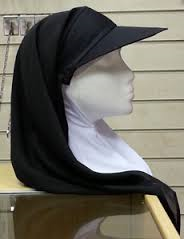
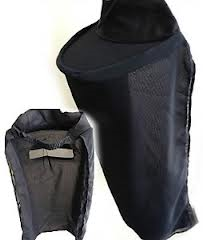
Wearing the cap niqab during ihram Question: Assalamu Alaykum what is the ruling on wearing the cap niqab during ihram when going for umrah? if someone didnt want to wear it or is not comfortable in it is it permissible for them to wear their normal niqab and then pay some money? Answer: In the Name of Allah, the Most Gracious, the Most Merciful. As-salāmu ‘alaykum wa-rahmatullāhi wa-barakātuh. 1. It is commendable to wear the Niqab cap and cover the face without the veil touching the face.[1] 2. It is impermissible for a woman to cover the face duringIhraam.[2] If a woman covered her face with a Niqaab for one complete day or more, that will be considered as a Jinaayah(crime) for which one Damm (sacrilegious penalty) will become compulsory. If a woman had covered her face with a Niqaab for lesser than a day, she should expend some charity (Sadaqah).[3] And Allah Ta’āla Knows Best Mawlana Ismail Desai, Student Darul Iftaa Durban, South Africa Checked and Approved by, Mufti Ebrahim Desai. -
Is It Necessary That The Niqaab Of A Woman Does Not Touch Her Face While In Ihraam? Question While performing Hajj is it necessary that the Niqaab of a woman does not touch her face while she is in Ihraam?Can she give some charity if she finds this difficult? Answer In the Name of Allah, the Most Gracious, the Most Merciful. As-salāmu ‘alaykum wa-rahmatullāhi wa-barakātuh. Leaving the face uncovered is part of the woman’s Ihrām. Nabi Sallallāhu Alaihi Wa Sallam has said: “The Ihrām of a female is in her face and the Ihrām of a man is in his head.” (Sunan Ad-Dāru Qutni, Hadīth No. 2761)[1] In these times of corruption and evil, it is advisable that a woman in Ihrām covers her face in such a way that the covering cloth (niqāb) does not touch the face. That is by wearing a cap and drawing the niqāb from a distance away from the face. However if we suppose the niqāb does end up touching the face, then charity equivalent to the amount of Sadaqatul Fitr is due. And if she wears niqāb whilst touching her face for a complete day, a Damm (sacrificed animal) is due.[2] [3] And Allah Ta’āla Knows Best Checked and Approved by, Mufti Ebrahim Desai. Taken from idealwoman.org affiliate website-askimam.org http://idealwoman.org/2012/is-it-necessary-that-the-niqaab-of-a-woman-does-not-touch-her-face-while-in-ihraam/

-
What Are The Differences Between A Male And Female When Performing Hajj? Question: What are the differences between a male and female when performing Hajj? Answer: In the Name of Allah, the Most Gracious, the Most Merciful. As-salāmu ‘alaykum wa-rahmatullāhi wa-barakātuh. There are a number of differences between a male and female in Ihram and whilst performing the Hajj and Umrah rites: 1) A woman must not let any cloth touch her face and her head must be covered. However, this does not mean she should not do hijab. She should wear a veil suspended from a cap. These type of veils are available to purchase. The man must keep his head uncovered. 2) It is permissible for a lady to wear gloves. A male cannot wear gloves in the state of Ihrām. 3) A lady may wear socks and shoes. A man cannot wear socks or shoes. He must leave the instep of the foot exposed. 4) A woman will not recite the Talbiyah audibly. A man should recite the Talbiyah aloud but not to the extent that it disturbs others. 5) A woman will not perform Raml (walking briskly) when performing Tawāf. A male will perform Raml in any Tawāf which precedes a Sa’i. 6) A woman will not do Idhtibā’ (leaving the right shoulder exposed) in Ihraam) for Tawāf. A male will do Idhtibā’. 7) When performing Sa’i, a woman will not run between the two green lights. A male should run between the two green lights. 8) A woman will not shave her hair off her head (Halaq). She will only cut off one inch from her hair. A male has the discretion of either shaving or trimming 9) A female can wear her normal sewn clothes. It is not permissible for a male to dress normally in his day to day clothing in the state of Ihram. 10) A woman must not go near the al-Hajr al-Aswad (the black stone) to kiss it in peak times. A male may go on condition he does not cause others difficulty by pushing and shoving. 11) A woman should not perform her two Rak’ats Wājib Salāh after Tawāf near the Maqām Ibrahim (Station of Ibrahim) at peak times. A male may perform the two Ra’kats near Maqām Ibrahim if there is space. 12)A woman will not be penalised with a Dam penalty for leaving the Wajib of Tawāf al-Widā’ due to haidh (menstruation) or nifas (post-natal bleeding). Likewise, if she delays the performance of Tawāf al-Ziyārah and performs it after the 12th of Dhul Hijjah, she will not have to give a dam penalty for delaying. And Allah Ta’āla Knows Best With Compliments~ www.darulfiqh.com
-
Please Note: If any pictures or other information is found to be incorrect, please advise us with source of correct information Jazaakumullaah
-
Please Note: If any pictures or other information is found to be incorrect, please advise us with source of correct information Jazaakumullaah
-
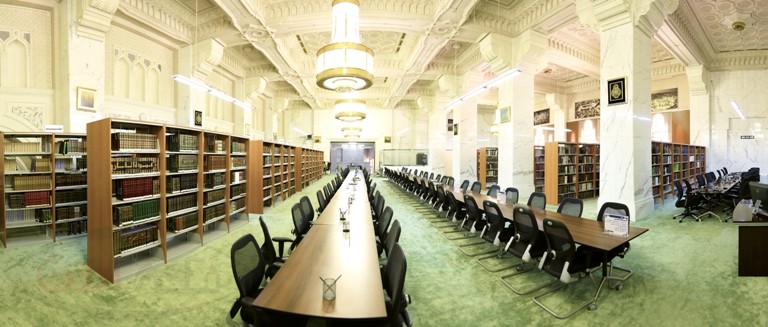
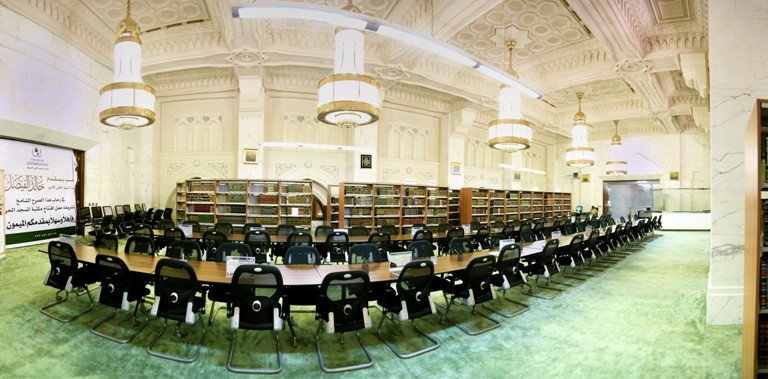
Masjid Haram Library More than 30 000 volumes at the Library of Masjid al Haram Roukaya 19
-
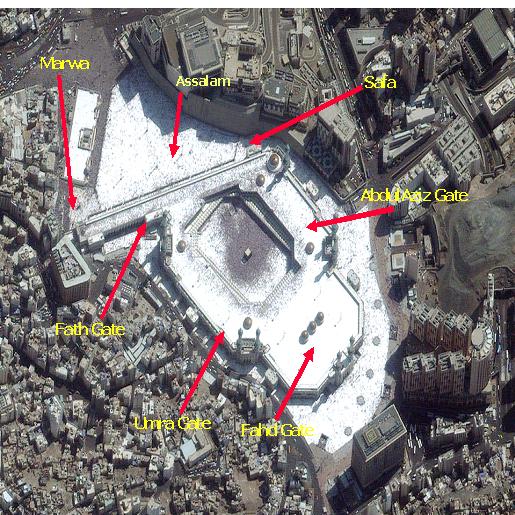
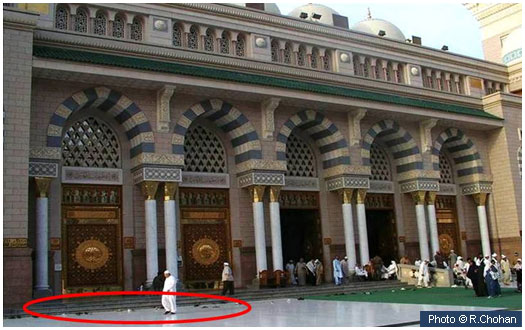
Masjid Haram Gates
-
http://www.zawaj.com/askbilqis/nabi-booti-plant-to-help-conceive/ Anyone have any information on this?
-
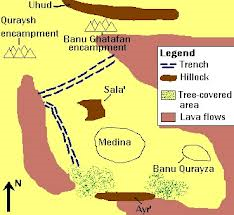
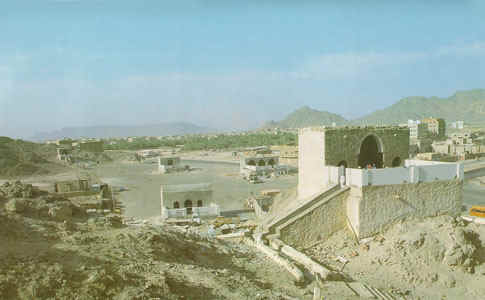
Places of the Battles (3) Battle of Ahzaab (Battle of the Trench) Ahzaab (The Battle of the Trenches) Diagram showing the position of the Trenches The site of the Battle of Ahzaab In 5AH the Quraysh, with the help of the tribe of Ghatfaan and other tribes along with the Hypocrites and the Jews, made a great effort to destroy the Muslims. They marched toward Madeenah with Abu Sufyaan as leader with an army of 10,000 men The Prophet sallallaahu ‘alayhi wasallam was informed of the approach and he consulted the Companions. Salmaan Faarsi RA put forward a plan to dig a trench to stop the advance and the Muslims began this great task with the Prophet himself helping. The trench was 5 meters deep and 5 meters wide. Madeenah was surrounded on two sides by lava rock and the third side had palm groves. When the Allies reached Madeenah they were surprised as such techniques were not in use. They camped on the other side of the trench and this situation lasted for 27 days during which they failed to enter Madeenah.
-
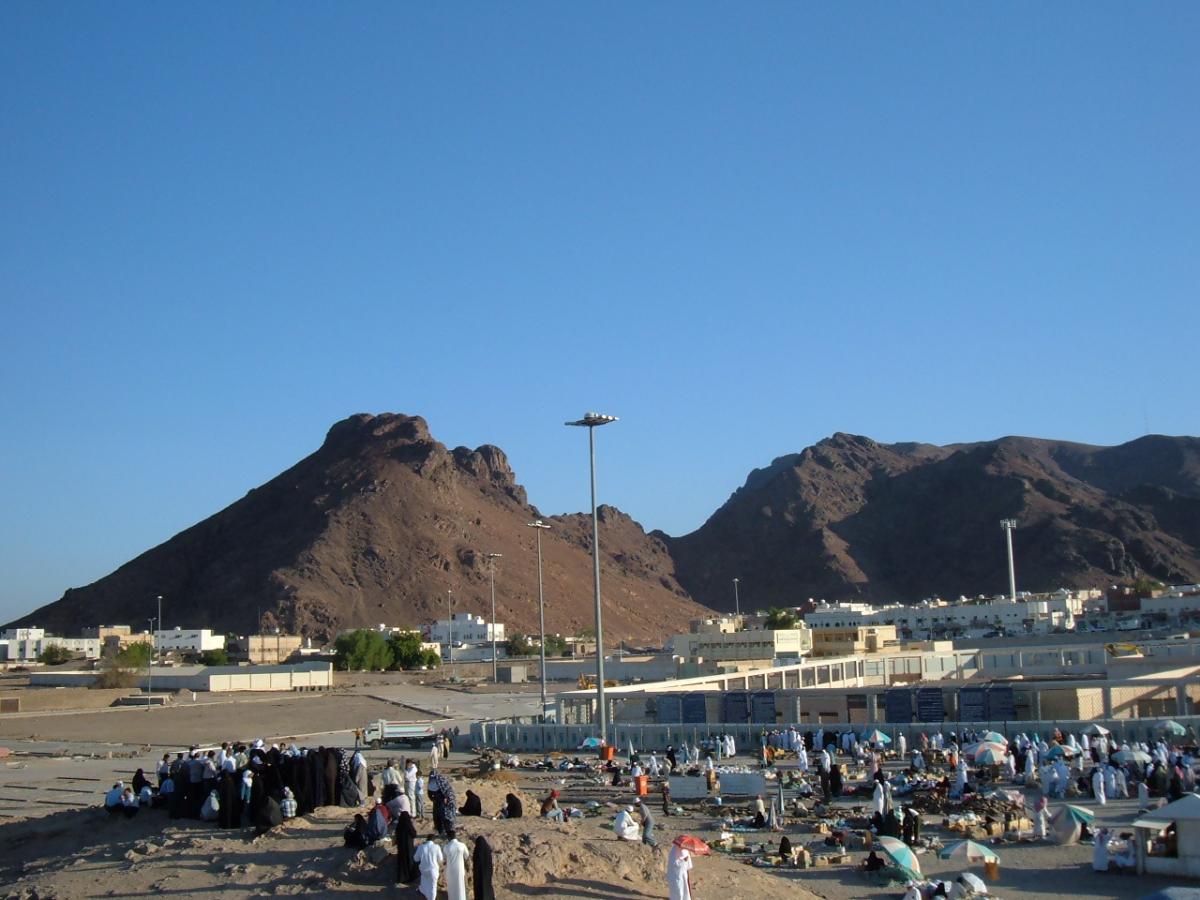
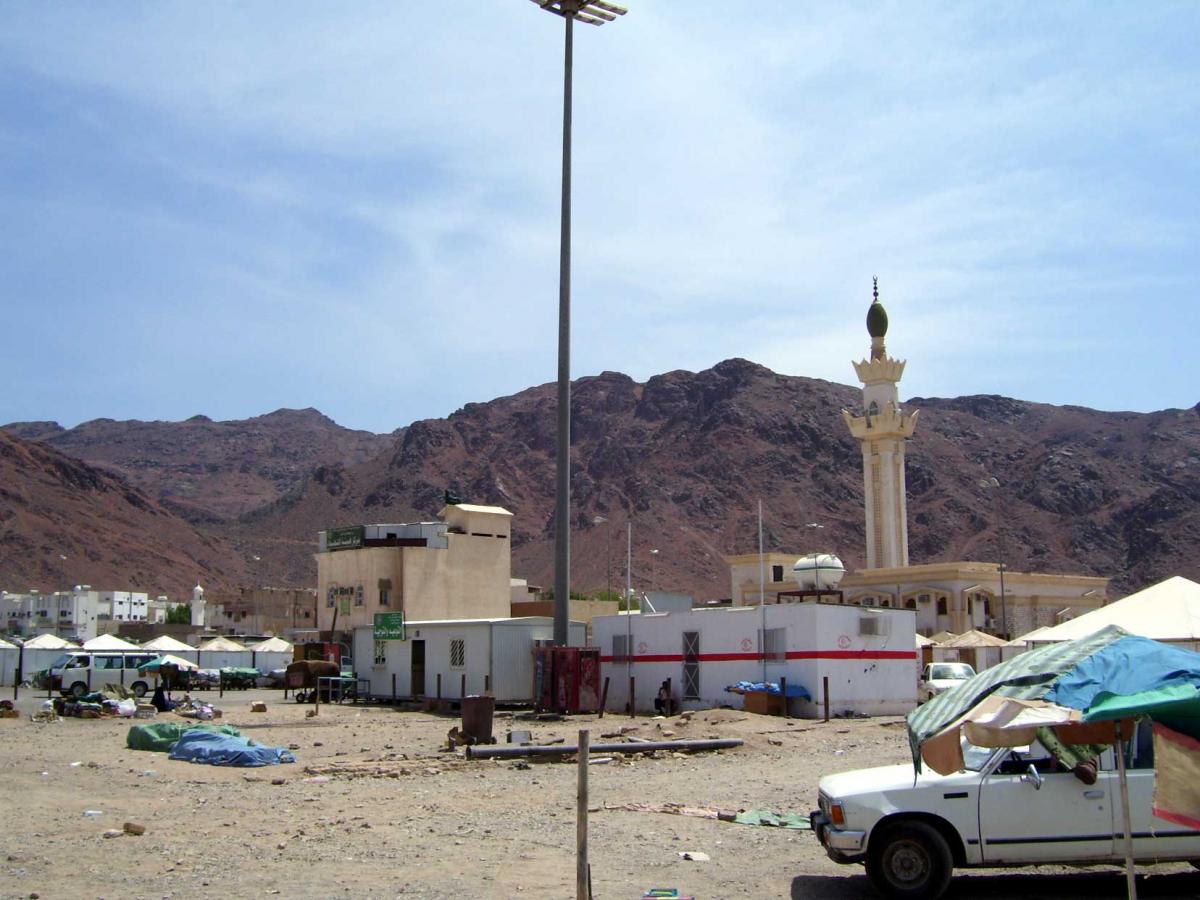
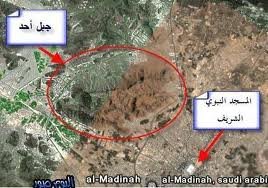
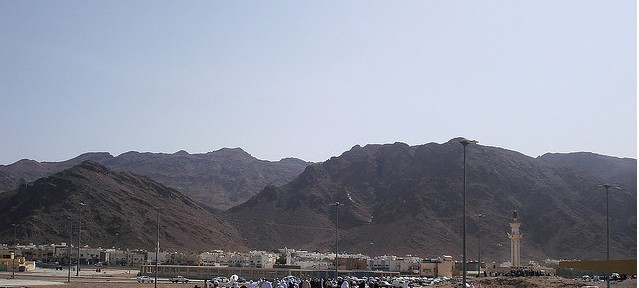
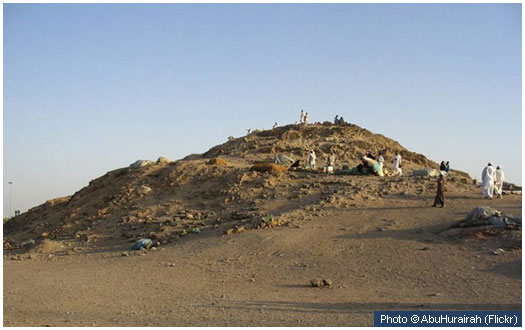
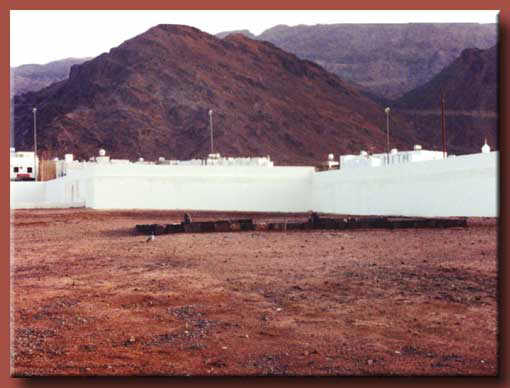
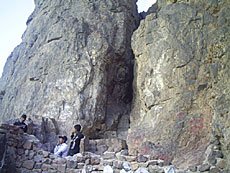
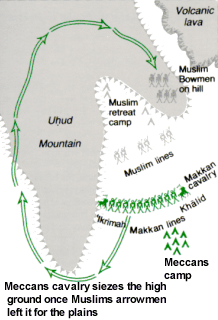
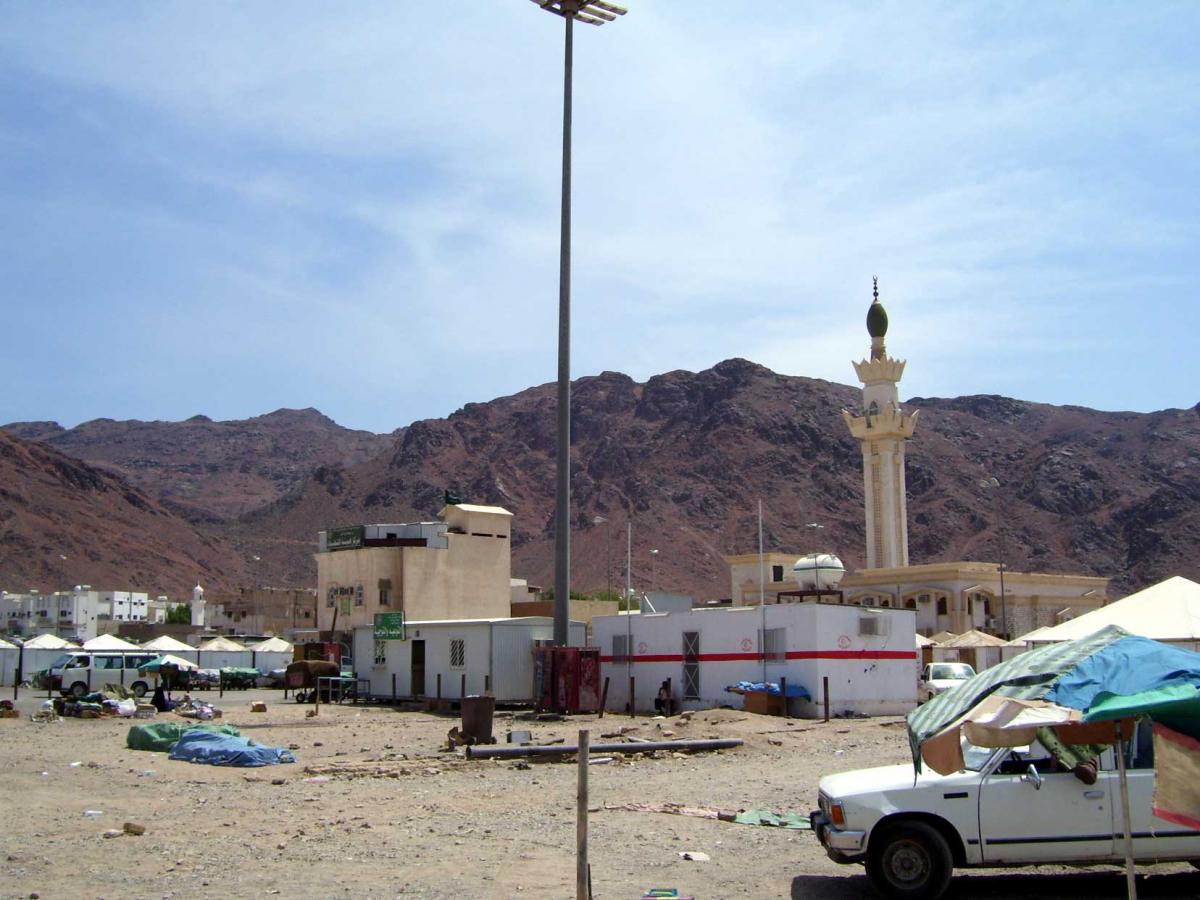
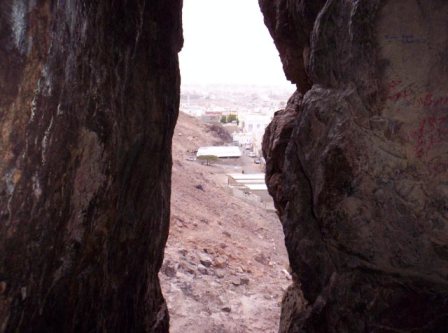
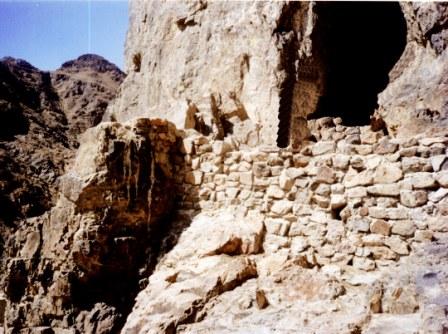
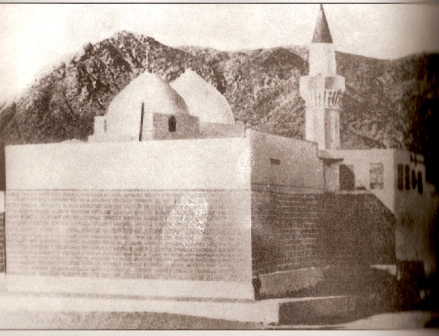
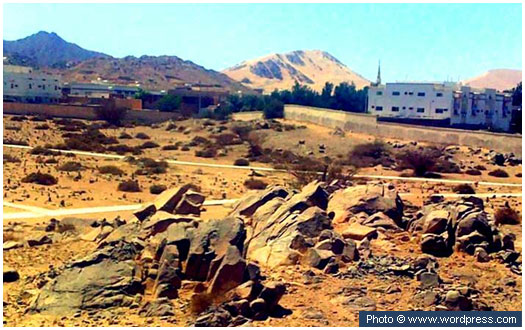
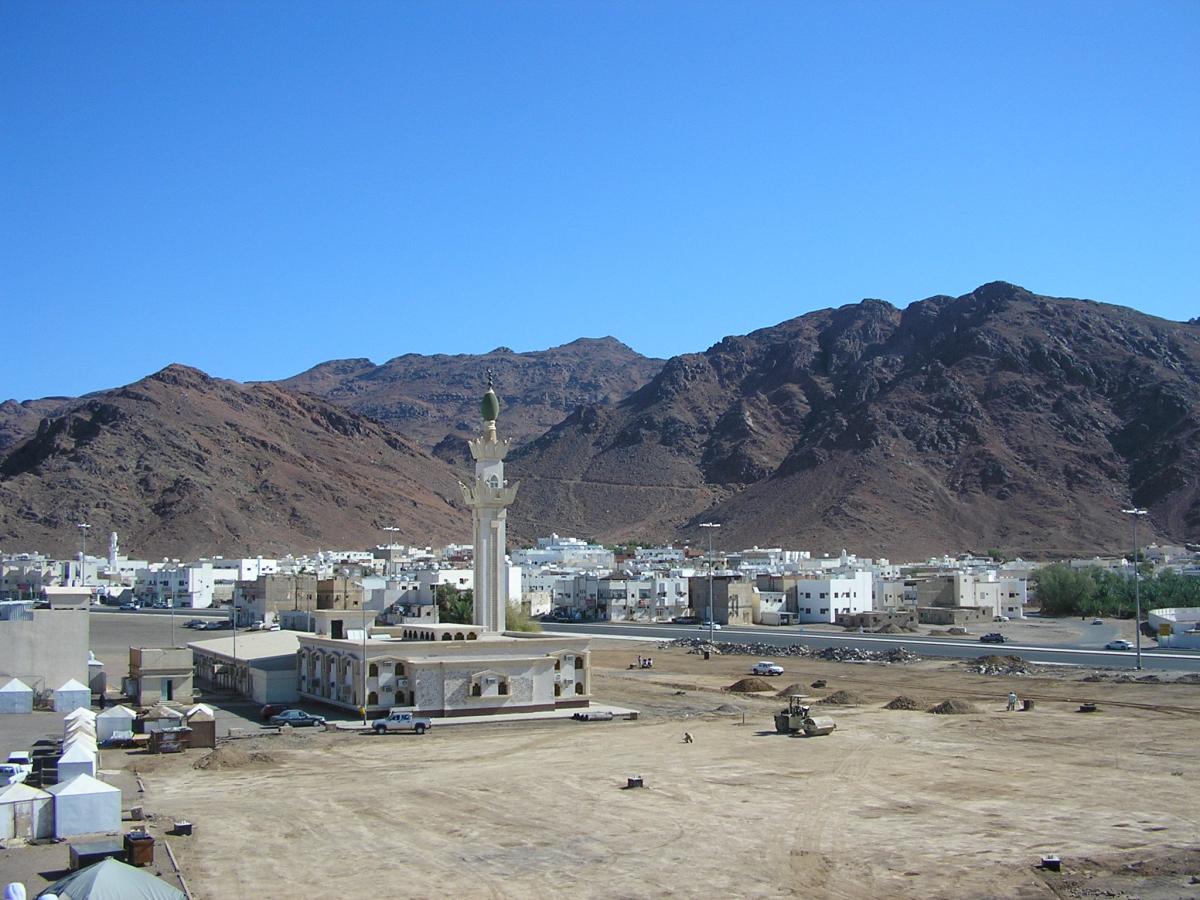
Places of the Battles (2) Battle of Uhud The arrow at the top left hand corner shows Mount Uhud and the arrow at the bottom shows Masjid Nabawi The plains and the slopes of Mount Uhud where the battle took place This is a section of Mount Uhud, in front of which the second battle in Islam (the Battle of Uhud) took place in 3 AH. Of this mountain the Prophet (peace and blessings of Allah be on him) declared, “This mountain loves us and we love it.” [Muslim] Mount Rumah This small mountain in front of Mount Uhud is where the Prophet (peace and blessings of Allah be on him) had positioned archers during the Battle of Uhud with the strict instructions not to move. It was the desertion of their posts by many of the archers on thinking the battle was over that led to a reversal of fortune for the Muslims in the war. The Prophet (peace and blessings of Allah be on him) appointed 50 archers under the command of Abdullah bin Jubair (may Allah be pleased with him) and said to him, “Drive off the horses from us, lest we should be attacked from the rear. Whether we win or lose the battle stand steadily at your position. See that we are not attacked from your side.” The Cave where Prophet sallallaahu 'alayhi wasallam took rest This naturally formed cave, on the side of Mount Uhud facing Masjid-e-Nabwi is where the Prophet (peace and blessings of Allah be on him) took refuge after being wounded during the Battle of Uhud. He was carried there on the back of Talha (may Allah be pleased with him). Scene from Inside the Cave The photo below is taken from inside the cave. On a clear day the minarets of Masjid Nabawi are clearly visible. To the bottom right of this photo is where our Beloved Nabi SallAllahu alaihi wasallam would have rested his noble head. (ALMISKEENAH) Entrance of the Cave The other wonders of this retreat during such a critical time at the end of the arduous battle is that just before the final high step into the cave there is a natural flat area which is protected by a slightly higher protruding pedestal shaped rock jutting up almost like a platform, seen to the left in the photo below. The stone wall has obviously been added, making a barrier on the edge of the flat section. It was there that Umar RadhiAllahu anhu (and Allah the Almighty knows best) reportedly stood guard while the following happened. After the Sahabah RadhiAllahu anhum had carried Rasulullah SallAllahu alaihi wasallam to the cave, ensuring his comfort and safety, Abu Sufyan, the leader of the Quraish army came to just below the cave shouting up at them. He was determined to continue to spread his hatred for the Muslims. He yelled: "We have our idols Lat and Uzza whereas you do not have the likes of these". The Prophet SallAllahu alaihi wasallam from inside the cave asked the companions, “Will you not answer him?” They questioned, “And how do we answer Oh Prophet of Allah?” “Say Allah Ta’ala is the Greatest and Ever-Lasting.” They all shouted together from the mountain, with Umar RadhiAllahu anhu standing firm on that platform, “Allah Ta’ala is the Greatest and Ever-Lasting!” Finally, Abu-Sufyan said, “Today will not be like Badr”. Guided again by the Prophet SallAllahu alaihi wasallam the Sahabah RadhiAllahu anhum said, “There is no similarity. Our dead are in Paradise and yours are in the Hellfire!” Abu Sufyan turned and left. (ALMISKEENAH) Graveyard of the Martyres of Uhud Hazrat Hamzah (Radhiyallaahu 'anahu) is buried there. Below is how the Masjid over the resting place of Hamza RadhiAllahu anhu was more than one hundred years ago. But like many previous structures relating to our past it has been demolished.
-
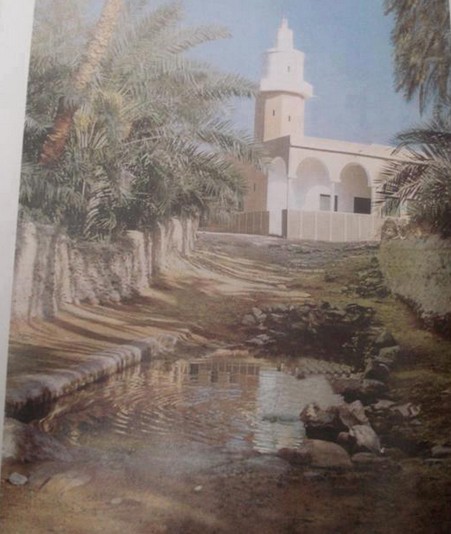
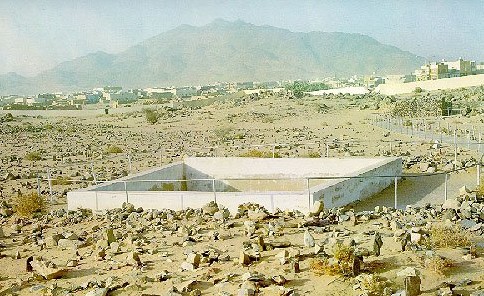
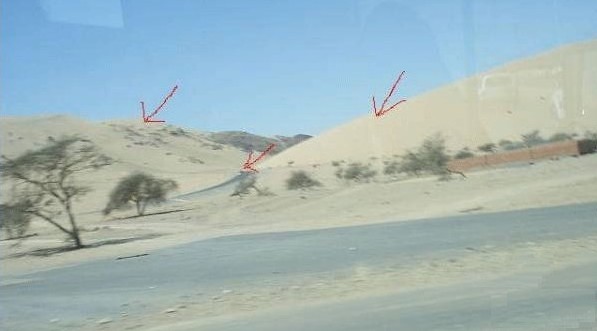
Places of the Battles (1) Battle of Badr Water Spring of Badr Site of the battle of Badr The Ghazwah-e-Badr (Battle of Badr) was fought on 17 Ramadan, 2 AH (13 March, 624 AD) at the wells of Badr, 80 miles (130 km) southwest of Madina. It was fought between the Muslims and pagans of Makkah whose strength was three times larger than the poorly equipped Muslim Army. It was a decisive victory for Muslims with divine help. This battle is also mentioned in the Qur'an.The Qur’an describes the force of the Muslim attack in many verses, which refer to thousands of angels descending from Heaven at Badr to terrify the Quraish. It proved a milestone in Prophet Muhammad’s (PBUH) struggle with his adversaries and paved a way for spread of Islam in the Arabian peninsula. (Source: Madina Photos) Right arrow in the photo shows “Al Odoat Al Dunea” where Muslim Camp was located. Middle arrow shows the passage through which convoy of Abu Sufyan passed. Left arrow shows “Malaeka Mountain” where Angels Jebreal and Mikael were sent by Allah with 1,000 of Malaeka (Angels) to help the Muslims against disbelievers. (Source: Madina Photos) Grave at Badr
-
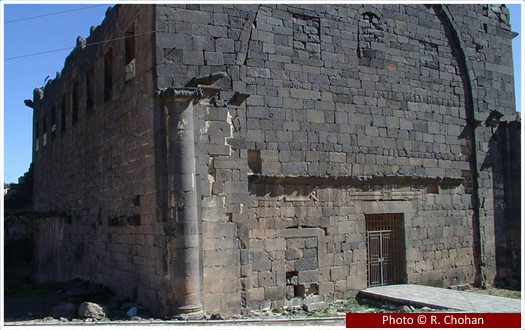
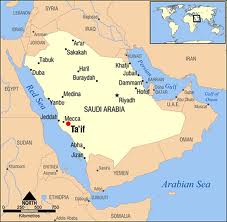
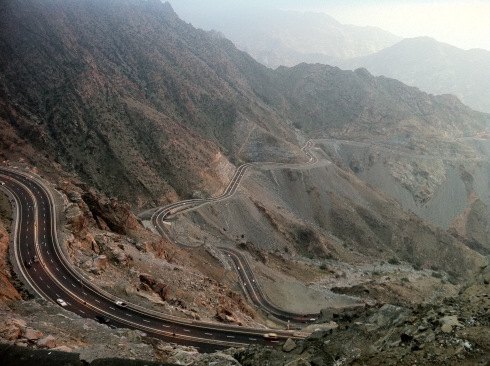
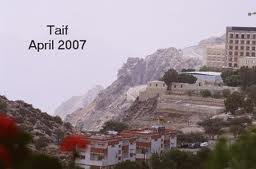
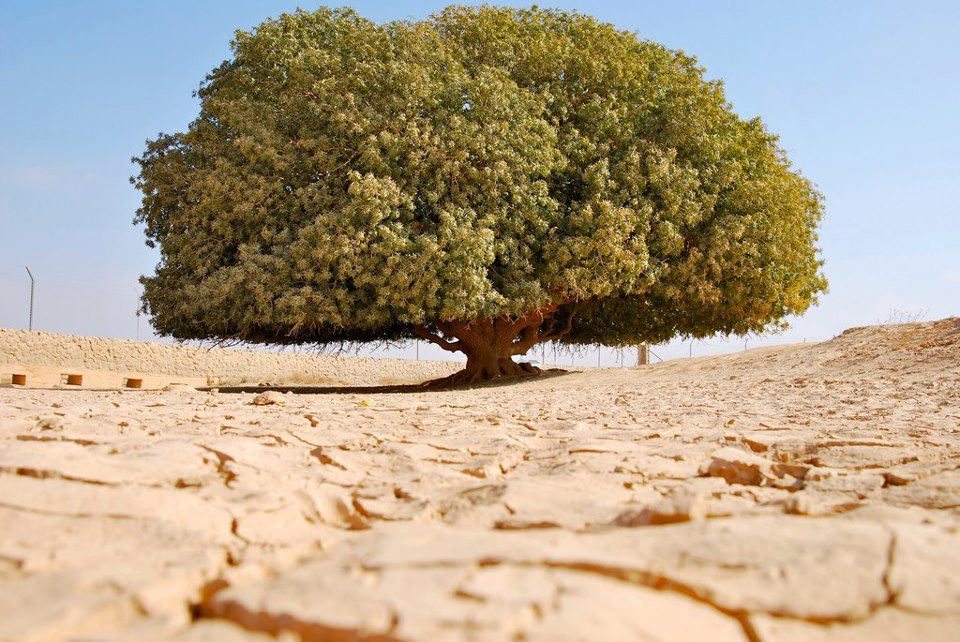
Glimpses from the Seerah Buhairah the Monk This ruin used to be the monastery of the Nestorian monk Buhairah/Bahira, who spotted the signs of Prophethood on the young Muhammad (peace and blessings of Allah be on him) while the Prophet was on a trade caravan on the way to Syria. When Muhammad (peace and blessings of Allah be on him) was about 12 years old, he accompanied his uncle Abu Talib on a trade journey to Syria. In a place called Busra a very interesting incident took place, which caused Abu Talib to return Muhammad to Makkah. On their trade journey they met a monk by the name of Bahira, who lived a simple life in a monastery. He had very simple provisions and lived a harsh life, surviving on the bare essentials. His diet was very simple and the clothes he wore were also coarse and well worn. He was looking outside and saw a caravan approaching. His residence was on the main caravan route and he regularly saw caravans passing by, carrying different goods destined to be sold in the great markets of Syria. He noticed that this caravan was different; there was something special about it. He decided to invite the people to a meal and find out more. Bahira sent a message to the caravan that his hospitality was extended to all the members of the caravan. The caravan traders accepted the invitation and arrived at the monk’s place. When they arrived, Bahira searched their faces looking for something. He said that he had offered his hospitality to everyone, was there anyone left behind? They said that they had left a young boy called Muhammad to look after the camels. Bahira insisted that they send someone to get Muhammad and bring him to the entertainment. When Bahira saw the face of Muhammad he was delighted for he was aware from the scriptures of the arrival of a mighty prophet and he could see the signs on the young boy. After the food, Bahira approached Abu Talib saying that Muhammad would be a great prophet one day. He said that when he had seen the caravan in the distance there was a cloud hanging over them, which was shading them from the great heat of the desert. When the caravan had stopped under a tree the cloud had also stopped above them. Bahira said that he had seen the stones and the trees prostrating to Muhammad as he had been walking by. They only do this for a prophet of Allah. He looked at the Muhammad’s back and noticed the seal of the prophets, which was an oval shape protruding just below Muhammad’s shoulder blades. He said that this was one of the signs of a great prophet to come that was taught to them in their books. Bahira said “This is the master of all humans, Allah will send him with a message which would be a mercy to all humans”. Bahira advised that Muhammad should be taken back to Makkah at once, if the Jews found out about Muhammad they would try to kill him. Abu Talib took the advice of this wise old monk and sent Muhammad back with some of the guides. (IslamicLandmarks.com) The Only Living Sahabi! (I'm not sure how true this is. If anyone has any more information on it please post) The last Sahabi alive. This is how they call this tree, located in the inhospitable desert in northern Jordan, is known as. A caravan going to Syria sat down under its shadow. Muhammad (sallallaahu 'alayhi wasallam), the future Prophet of Islam, was travelling with the caravan. He was a young lad accompanying his uncle Abu Talib. This is when Buhairah the Monk recognised him. He was impressed to realise that a little cloud was moving over the heads of some of the travellers, protecting them from the scorching sun. He was also very surprised to see that the branches of the tree sink down to the caravan that sat down to have a rest under its crown. Journey to Taif View of the winding road towards Taif Only an hour from Makkah, Taif, Saudi Arabia, is a beautiful town set high in the mountains, with a lot of parks and greenery. In Saudi Arabia, roses are synonymous with the city of Taif, which is internationally famous for agriculture and in particular the cultivation and production of roses, dating back to 100 years. Because of its higher (and cooler) altitude as well as the majestic backdrop of mountains. Taif is a popular summertime vacation destination in the Kingdom. The Year of Sorrow was the year the Prophet’s uncle, Abu Talib and his wife, Khadijah died. However, it was also the year the Prophet went to Taif to pass on dawah to them, as it was his given duty, the prophet went to Taif after the death of his wife and uncle. The prophet was about 50-51 years old. They were two tribes in Taif, Taqif and Hawazin who worshipped very, very strongly in an idol called Al-Lat. The people were rich and proud and most wealthy people went to Taif on holiday. The prophet went to Taif with his adopted son Zaid. The people of Taif were worse than the people of Makkah and when Muhammad (SAW) and Zaid went to the leaders of Taif they mocked them and throw stones at them until they bled. The children made fun of them and chased them away the Prophet did not say anything to them but left quietly. For he and been informed of these people by Allah, who had told him he would be cast astray by his own people and that the rich people would not follow him. “We have not sent not any town a warner and the proud habitants declare. We shall not believe in and we shall not be punished.” (Sa’ba V34-35) The Prophet (PBUH) sat outside Taif next to vineyard and raised his hands in du’aa. He said to Allah that he did not have any manpower, money nor any respect. But he did not want it as long as he had Allah’s mercy. He (PBUH) did not want Allah be angry with him. (This shows how much the Prophet (PBUH) felt for his people, how much he wanted for them to be Muslim and sent to paradise.) Allah sent an angel down who asked Muhammad (SAW) if he wanted the two mountains surrounding Taif to crush the people. However, the Prophet (PBUH) said no, leave them just in case they become Muslim, which they did, 10 years later. Today all of Taif is Muslim!
-
Mountains of Madinah Munawwarah Mount Uhud Mount Uhud, in front of which the second battle in Islam (the Battle of Uhud) took place in 3 AH. Of this mountain the Prophet (peace and blessings of Allah be on him) declared, “This mountain loves us and we love it.” [Muslim] Mount Dhubab Mount Dhubab (also known as Mount Ra’yah) is where a famous miracle took place during the digging of the trench. The Prophet (peace and blessings of Allah be on him) struck a large rock which was reduced to pieces and emitted a light. Upon this the Prophet (peace and blessings of Allah be on him) gave the Muslims the glad tidings of the coming victories over Syria, Persia and Yemen Mount Ayr Jabl Ayr (Mount Ayr) is the second largest mountain in Madinah after Uhud and marks the southern boundary of Madinah. The Prophet (peace and blessings of Allah be on him) described it as a mountain of Hell. The Prophet (peace and blessings of Allah be on him) declared, “Uhud is a mountain which loves us and which we love, it is upon the Gate of Heaven” adding, “And Ayr is a place which hates us and which we hate, it is upon the Gate of Hell.” ‘Ayr’ means a ‘wild ass’, whereas Uhud is derived from Ahad, meaning ‘one’, — so called because it is fated to be the place of victory to those who worship one God. The very names, say Muslim sages, make it abundantly evident that even as the men of Al-Madinah were of two parties, friendly and hostile to the Prophet (peace and blessings of Allah be on him), so were these mountains. References: Pilgrimage to Al-Madinah and Mecca
-
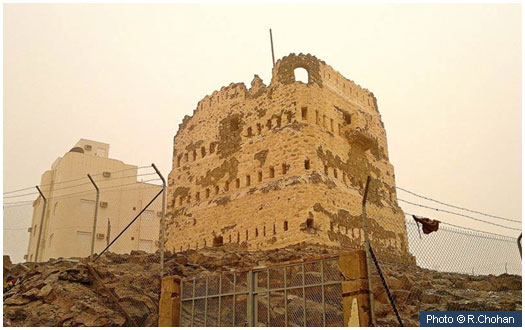
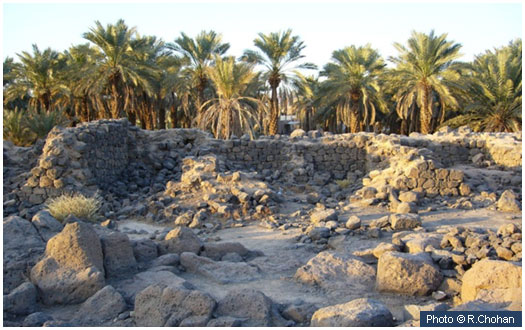
The Jewish Tribes of Madinah Site of the Banu Qaynuqah This is the remains of one of the forts of Banu Qaynuqa who were one of three main Jewish tribes living in Madinah at the time when the Prophet (peace and blessings of Allah be on him) emigrated there. They were the first of the Jewish tribes to break the peace treaty with the Muslims and were expelled from Madinah in the middle of Shawwal, 2AH. Site of the Banu Nadhir This site, about 1km away from Masjid Quba is where the Jewish tribe of Banu Nadhir resided. Despite having a peace treaty, they conspired against the Muslims and even made an attempt on the life of the Prophet (peace and blessings of Allah be on him). They were expelled from Madinah in 4 AH and fled to Khaiber and Syria. Site of the Banu Quraizah Bani Quraizah were a Jewish tribe who rebelled and betrayed their peace treaty with the Muslims during the Battle of the Trench. The Muslims laid siege to the tribe, this spot (where a masjid once stood) marks the place where the prophet (peace and blessings of Allah be on him) offered salat during the siege. From IslamicLandmarks.com
-
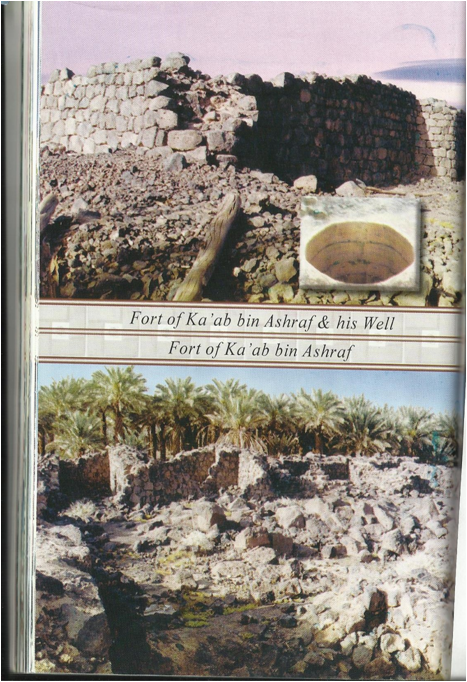
Fort of Ka'b bin Ashraf These are the remains of the fort of Ka’b bin Ashraf, an extremely wealthy Jewish poet who stirred up great hatred for the Prophet (peace and blessings of Allah be on him) and the Muslims.
-
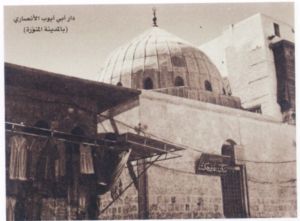
Sites of the Houses of Some Sahaba (Radhiyallaahu 'anhum) Site of Salman Farsi's (Radhiyallaahu 'anhu) House The Garden of Salman Farsi The above picture shows the land on which the Prophet (peace and blessings of Allah be on him) planted three hundred date palms to free Salman Farsi (may Allah be pleased with him) from slavery. It is located close to Masjid Quba. Site of Abu Ayyub Ansari's (Radhiyallaahu 'anhu) House This is the approximate spot where existed the house of Abu Ayyub Ansari (may Allah be pleased with him). This is where the Prophet (peace and blessings of Allah be on him) initially stayed for several months on his migration to Madinah, while Masjid-e-Nabwi and the adjoining rooms for his wives were being built. When the Prophet (peace and blessings of Allah be on him) entered Madinah he told the people to allow his camel to go her own way for “she is guided by Allah.” All of the Muslims desired that he would lodge with them. Finally the she-camel knelt, but the Prophet (peace and blessings of Allah be on him) did not dismount. The animal rose to its feet again, ambled ahead for some distance, and then turned back and knelt in the same place it had before. Masjid-e-Nabwi was erected on this very spot. Adjacent to the spot where the camel knelt was the house of Abu Ayyub Ansari (may Allah be pleased with him) who hurried to lift the saddle from the camel and took it to his home. The Prophet (peace and blessings of Allah be on him) remarked humorously, “A man must follow his saddle,” and went along with Abu Ayyub. Asad bin Zurara (may Allah be pleased with him) took hold of the halter, so he was allowed to take care of the camel. Site of the Garden of Abu Talha (Radhiyallaahu 'anhu) The highlighted area, which is in the rear of Masjid-e-Nabwi is the approximate spot where existed a garden at the time of the Prophet (peace and blessings of Allah be on him) that was owned by Abu Talha (may Allah be pleased with him). The Prophet (peace and blessings of Allah be on him) often visited this garden and drank the water from its well. Anas (may Allah be pleased with him) says, ‘Abu Talha owned the best gardens in Madinah, and they were more numerous than those of any other Ansari. One of his gardens was known by the name of Bir Ha, and this was his most favourite resort. It was close to the Prophet’s Masjid and the water of its well was sweet and abundant. When Allah (Glorified and Exalted is He) revealed the verse of the Quran: You will not attain unto piety until you spend of that which Ye love.” [3: 92] Abu Talha (may Allah be pleased with him) presented himself to the Prophet (peace and blessings of Allah be on him) and opened his heart, “O, Prophet of Allah! I love Bir Ha very much. As Allah wants us to spend precisely that which we love, I make over that garden to be spent in the path of Allah as you please.” The Prophet (peace and blessings of Allah be on him) was very much pleased, and remarked: “What a fine present (to Allah)! I think it would be best utilized if you distribute it among your own heirs.” Abu Talha (may Allah be pleased with him) went and acted upon the Prophet’s advice. References: Fazail-e-Aamal – Sheikh Zakariyya Kandhalvi
-
How to Clean The Heart The sin of malice and discord is serious. Even on auspicious occasions despite Allah’s abundant mercy, we always find one particular class of people that are deprived; those who harbour ill-feelings in their hearts towards others. In addition to this, some narrations state that such people’s salah is not accepted by Allah. (At-Targheeb, vol.3 pgs.455-462) Hereunder are a few prescriptions (from the hadith and advice of seniors) to remove ill-feelings from the heart: 1. Recite the following ayah in abundance: “Rabbanagh fir lana wa li ikhwaninal lazheena sabaquna bil iman, wala taj’al fee quloobina ghillal lillazheena amanu Rabbana innaka Raoofur Raheem” (Surah: 59 Ayah: 10) 2. Rasulullah (sallallahu’alaihi wasallam) said: “Offer gifts to each other, for this creates affection and removes the anger of the hearts” (Muwatta Imam Malik, see Al-Tamheed, vol.15 pg.85-91 & Takhreejul ihya, hadith: 1453) 3. Greet each other with Salam and shake hands. This is also a way of bonding the hearts. (Sahih Muslim, hadith: 192) 4. Rasulullah (sallallahu’alaihi wasallam) said: “By fasting during the month of Ramadhan and 3 days of every other (Islamic) month, the rancour of the heart is removed” (At-Targheeb, vol.2 pg.121) 5. Make du’a for the the person from whom one is disillusioned. 6. Praise him in his absence. By implementing the above with the sincere intent of freeing ourselves from ill-feelings, Allah Ta’ala will cleanse our hearts Insha Allah. Inspiration from a Sahabi (radiyallahu’anhu) Sayyiduna Anas (radiyallahu ‘anhu) says: “We were sitting with the Messenger of Allah (sallallahu’alaihi wasallam) when he said: “A man who is from the inmates of Jannah is about to arrive.” Soon thereafter, a Sahabi (radiyallahu’anhu) came in, with his shoes in his left hand and the water of wudhu dripping from his beard. When the gathering ended, Sayyiduna ‘Abdullah ibn ‘Amr ibn ‘As (radiyallahu ‘anhuma) followed this person (with the motive of learning the reason for him being blessed with such a glad tiding) He said to him: “I have taken an oath that I will not go home for 3 days. Is it possible for you to accommodate me for this time?” The Sahabi agreed. Sayyiduna ‘Abdullah ibn ‘Amr stayed with him for 3 days, but noticed nothing extraordinary in his routine. i.e, he never engaged in additional voluntary deeds as expected. However, whenever this Sahabi (radiyallahu ‘anhu) would go to bed at night, he would recite some form of dhikr, then sleep till fajr. Furthermore, during these 3 days he did not hear him utter any word besides good. Sayyiduna ‘Abdullah ibn ‘Amr (radiyallahu ‘anhuma) says: “After three nights I almost deemed his deeds as “nothing so special”. I approached him and explained that my real motive for staying with him was to discover the special act that he may be engaging in, which warranted his guarantee of Jannah.” Then I asked him: “How did You achieve such a rank?” He said: “I have no special deeds beside whatever You have seen during your stay.” I accepted this and was about to leave when he exclaimed: “O, Yes! there is something. I do not harbor any evil or malice in my heart against any fellow Muslim. I am not jealous over whatever good Allah bestows upon any of them.” Sayyiduna ‘Abdullah ibn ‘Amr (radiyallahu ‘anhuma) said: “That is precisely the reason for You reaching such a lofty status.” (Musnad Ahmad & Nasaai. Hafiz Ibn Katheer -rahimahullah- has declared the chain of Nasaai as authentic, in accordance to the standards of Imams Bukhari & Muslim. refer: Tafseer Ibn Katheer, surah:59, Ayah: 9) We often look for extraordinary deeds to acquire success, when the solution lies in the basics… May Allah Ta’ala guide us all. Ameen. Source: http://jamiat.org.za/blog/how-to-clean-the-heart/