
ummtaalib
-
Posts
8,477 -
Joined
-
Days Won
773
Content Type
Profiles
Forums
Events
Everything posted by ummtaalib
-
Takbeer Tashreeq Story behind the Takbeer Tashreeq Takbeer Tashreeq is the recitation of "Allaahu akbar, La ilaaha [illa Allaahu] Wallaahu akbar, Allaahu akbar wa lillaahil hamd" after every fardh salaah commencing from the Fajr of the 9th of Dhul Hijah until after Asr of the 13th of Dhul Hijjah. (Shami vol. 1 pg. 406) When Ibrahim (AS) began moving the knife on his beloved son, Ismaeel (AS), the angels sent by Allah with a ram exclaimed, "Allahu akbar, Allahu akbar (Allah is the greatest, Allah is the greatest)." Ibrahim (AS) heard the voice of the angels and replied, "La illaah illa Allaahu Wallaahu akbar (There is no god besides Allah, and Allah is the greatest)." His son Ismaeel (AS) heard this conversation and understood that Allah had relieved him from this great trial, thus he replied, "Allaahu Akbar Wa lillaahil hamd (Allah is the greatest, and to Allah belongs all praise)." (Ibid) and Allah Ta'ala Knows Best Mufti Ebrahim Desai http://www.beautifulislam.net/hajj/takbeer_tashreeq.htm
-
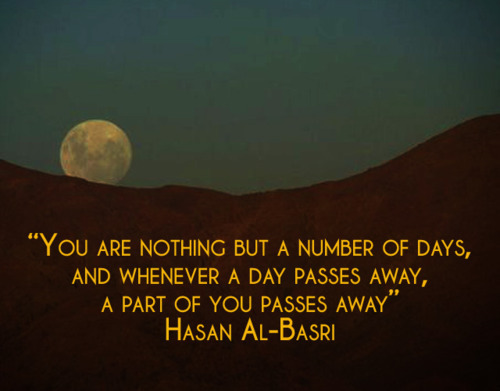
The Guests of Allah have returned Abu Hurairah Radhiyallahu Anhu states that Nabi Sallallahu Alayhi Wa Sallam has said: “The Haji and one who performs Umrah are the Ambassadors of Allah. If they beseech Him, He would respond to them, and if they seek His forgiveness, He would forgive them.” (Ibn Majah) Ibn Umar Radhiyallahu Anhu states that Nabi Sallallahu Alayhi Wa Sallam has said: “When you meet the Haji, greet him, shake his hands and instruct him to seek forgiveness for you before he enters his home, for undoubtedly he is forgiven.” (Ahmed) Hajj affords the best training grounds for the revival of one's faith and purity of character. It is the most sublime manifestation of the universal brotherhood of the Muslim Ummah. It is a journey of intensified devotion and discipline. A Haji is therefore expected to display: î A dynamic revival of faith and trust in Allah. î A character infused with humility and purity. î A compelling concern for the general well-being of the greater Ummah. î A commitment to fulfill all obligatory observances. î A pledge to avoid all prohibited deeds. î An understanding of the purpose of life. î A conscious endeavour to prepare for the Hereafter. When Hasan Basri (R.A.) was asked, “What constitutes a Hajj-e-Mabroor?” He replied, “That you return from Hajj turning your back to this world and facing towards the hereafter.” (Al-Tabsirah) May the Almighty accept your Hajj, make it a source of your salvation in this world and the hereafter and grant you the ability to say “Labbaik” to the call of Allah at all times, Ameen. Jamiatul Ulama (KZN) Council of Muslim Theologians 223 Alpine Road, Overport, Durban
-

-
-
-
Virtues of Hajj Shaykh Zakariyya Khandlawi Virtues of Hajj(FAZAIL-E-HAJ).doc
-
Have You Spoken to Your Child Today? By Dr. Aisha Hamdan . Have you had a meaningful conversation together? Do you know what your child accomplished today, how he may be feeling, whether or not he has any concerns? Does your child know that you care about him?In Islaam, the ties of kinship and family are very strong and something that will always be present throughout our lifetime. There are very serious consequences for someone who decides to break these ties. Allah (subhanahu wa ta'ala) says, {Then, is it to be expected of you, if you were put in authority, that you will do mischief in the land, and break your ties of kith and kin? Such are the men whom Allah has cursed for He has made them deaf and blinded their sight.} (Qur'aan, [47]:22-23) The Prophet (sallallaahu 'alayhi wa sallam) said, "Whoever severs the bonds of kinship will not enter Paradise." (al-Bukhari and Muslim). A major component of our familial ties is communication. In fact, without communication there would be little connection between people. Living together in the same household with limited, or even hostile, interaction would not fit the criteria for maintaining the bonds of kinship. To develop meaningful relationships within our families we need to know how to communicate effectively and sincerely with each other. A large part of this involves skills and principles that can be learned through practice and sincere effort. The following is a guide to strengthen these ties that bind. 1) Active Listening. You may be surprised to discover that the most important aspect of effective communication is listening. This means that the listener pays full attention to the speaker and attempts to understand what that person is saying and feeling. The listener should suspend judgment, show interest, and respect what is being said. He or she may then restate the content and feelings to demonstrate that sincerity is present. The Prophet (sallallaahu 'alayhi wa sallam) always gave his full attention to anyone that he conversed with, even his enemies and those with whom he disagreed. In turn, when he addressed his companions, they listened intently and attached importance to everything he said. 2) Level of Understanding. Parents should always keep in mind the age and level of understanding of their child and should speak with him accordingly. The Prophet (sallallaahu alayhi wa sallam) said "Speak to the people keeping in view their level of understanding. Would you like to see them think of what you tell them from Allah and His Messenger as lies?" (al-Bukhari) This is important so that the child will be able to comprehend what is said, the expectations of the parents will not go beyond the capacity of the child and lead to problems, and difficulties will not be placed upon the child unnecessarily. This is particularly pertinent for sensitive issues such as death, personal modesty issues, and adult responsibilities. There are various levels of complexity with each of these and the correct level needs to be chosen for each child. One way to ascertain this is by the type of questions that a child asks. 3) The Manners of a Mu'min (Believer). A believer is someone who believes in Allah's Message and follows the Sunnah of the Prophet Muhammad (sallallaahu 'alayhi wa sallam). In relationships then, a believer would demonstrate honesty, kindness, patience, self-restraint, fairness, trustworthiness, etc. He would avoid teasing, blaming, belittling, mocking, excessive and idle talk, and fault-finding. There are many Qur'anic verses and ahadeeth that give detailed descriptions of this topic such as: {Verily, Allah is with the patient.} (Qur'aan, [2]: 153), {Speak fair to the people.} (Qur'aan, [2]:83), {Kind words and covering of faults are better than charity followed by injury.} (Qur'aan, [2]:263), "A Muslim is a brother of another Muslim. He does not wrong him, nor insult him nor humiliate him." (Saheeh Muslim). Also, "The thing which will make the majority of people enter Paradise is fear of Allah and good manners." (at-Tirmidhi) These principles should be applied in conversations with children and teenagers as well as adults. It is probably even more important with young people because we are setting an example for them. What do we want our children to learn? We can not expect kindness and respect from our children if we are not being kind and respectful toward them. 4) Avoiding Contention. The Prophet (sallallaahu 'alayhi wa sallam) said, "If a man gives up contention when he is in the wrong, a house will be built for him within the Garden of Paradise; but if a man gives up contention, even when he is in the right, a house will be built for him in the loftiest part of the Garden." (at-Tirmidhi) The value of this advice lies in the fact that contention and disputes lead to a breakdown in the relationship, even rancor, enmity, and hostility. I have worked with many families where this has occurred and it can be very difficult to mend the wounds that have been created and to bring family members back together. It goes without saying that it is best to completely avoid reaching this low level. Let us all work to improve our style of communication and our relationships with each other. When our children feel that their parents understand them and are willing to listen to them, they will open up their hearts and trust will develop. Effective teaching and discipline cannot be implemented without a certain level of trust, understanding, and mutual respect. If you are concerned about your children in a non-Muslim environment and it is affecting the way you interact with them, the best you can do is teach and advise them, give them responsibility, trust them, and let them know that you care for them. We can then make du'a (supplication) and rely upon Allah's Grace and Assistance. This is our best weapon in a world of non-belief. May Allah help each of us to strengthen the ties that bind us together as a family and bring happiness and contentment to our homes. Aaameen. Practical Tips Set aside some time each day to talk with your child. If you have more than one child, each should have their own equal, individual time. Read books with your child about Islaam that pertain to relationships with others and stories about the Prophets (peace be upon them all), and the Companions (radiallaahu 'anhum). These will provide you with the necessary guidelines and inspiration. Tape-record one of your conversations and rate yourself or have others give you feedback. This is an effective method to determine your weak areas and to improve upon them. Obtain advice from other parents when needed, especially those who have more experience. This may save time and avoid undue hardships and pain. www.islaaminfo.co.za
-
The Month of Muharram By Shaykh Muhammad Saleem Dhorat hafizahullah Muharram, the first month of the Islamic calendar, is one of the four sacred months mentioned in the Glorious Qur’ān: Lo! The number of the months with Allāh is twelve months by Allāh’s Ordinance in the day that He created the heavens and the earth. Four of them are sacred: that is the right religion. So wrong not yourselves in them...(9:36) The specification of these four sacred months is stated in a hadīth narrated by Abū Bakrah radhiyallāhu ‘anhu that Rasūlullāh sallallahu ‘alayhi wasallam said, “Verily time has completed its cycle and returned to its original stage as it was on the day Allāh created the heavens and the earth. The year consists of twelve months, four of which are sacred. Three of them occur consecutively; Dhul Qa‘dah, Dhul Hijjah and Muharram, (the fourth being) Rajab of Mudar (named after the tribe of Mudar as they used to respect this month) which occurs between Jamādi‘ul Ākhir and Sha‘bān.” (Bukhārī) From out of the four sacred months, Muharram has been blessed with certain specific virtues. The noble Prophet sallallahu ‘alayhi wasallam said, “The best of fasts besides the month of Ramadān is the fasting of Allāh’s Month of Muharram and the best of salāh besides the fard (compulsory) salāh is the tahajjud salāh (performed after midnight before dawn).” (Muslim) In another hadīth, Ibn ‘Abbās radhiyallāhu ‘anhu reports that the Messenger of Allāh sallallahu ‘alayhi wasallam said, “He who fasts on the day of ‘Arafāt (9th Dhul Hijjah), his fast will be a compensation for the sins of two years, and one who keeps a fast in the month of Muharram will receive the reward of thirty fasts for each fast.” (Tabrānī, at-Targhīb wat-Tarhīb) THE DAY OF ‘ĀSHŪRĀ (10th Muharram) The tenth day of the month of Muharram is known as ‘Āshūrā. It is one of the most important and blessed days in the Islamic calendar. Some ‘ulamā (scholars) are of the opinion that before the fasts of Ramadān, the fast of the day of ‘Āshūrā was compulsory upon the Ummah. This is stated in a hadīth reported by ‘Ā’ishah radhiyallāhu ‘anhā that the noble Prophet sallallahu ‘alayhi wasallam ordered the observance of the fast of ‘Āshūrā. However, when the fast of Ramadān became compulsory, then whosoever wished, kept this fast and whosoever desired did not observe this fast. (Bukhārī) But the Prophet sallallahu ‘alayhi wasallam, nevertheless, continued to fast this day and encouraged his companions to do the same. Ibn ‘Abbās radhiyallāhu ‘anhu says, “I did not see Rasūlullāh sallallahu ‘alayhi wasallam anxiously await the fast of any day, which he gave preference to over other days, but this day, the day of ‘Āshūrā.” (Bukhārī) Humayd Ibn ‘Abdur Rahmān radhiyallāhu ‘anhu narrates that he heard Mu‘āwiyah ibn Abī Sufyān radhiyallāhu ‘anhumā on the day of ‘Āshūrā, during the year he performed Hajj, saying on the pulpit, “O the people of Madīnah! Where are your ‘ulamā? I heard Rasūlullāh sallallahu ‘alayhi wasallam saying, ‘This is the day of ‘Āshūrā. Allāh has not enjoined its fasting on you, but I am fasting it. Whosoever wishes, keep (this) fast and whosoever desires do not observe (this fast).’” (Bukhārī) In another hadīth, Ibn ‘Abbās radhiyallāhu ‘anhu narrates that the noble Prophet sallallahu ‘alayhi wasallam came to Madīnah and found the Jews fasting on the day of ‘Āshūrā. Hence the noble Prophet sallallahu ‘alayhi wasallam inquired of them, “What is (the significance of) this day on which you fast?” They replied, “This is a great day. On this day Allāh saved Mūsā ‘alayhis salām and his people and drowned Fir‘awn and his nation. Thus Mūsā ‘alayhis salām fasted on this day as a token of thanksgiving, therefore we too fast on this day.” The Messenger of Allāh sallallahu ‘alayhi wasallam said, “We are more worthy of Mūsā and nearer to him than you.” Thereafter, the noble Prophet sallallahu ‘alayhi wasallam fasted on this day and ordered (his companions radhiyallāhu ‘anhum) that a fast be kept on this day. (Muslim) RECOMMENDED DEEDS ON THE DAY OF ‘ĀSHŪRĀ 1) The noble Prophet sallallahu ‘alayhi wasallam has exhorted and encouraged his Ummah to fast on this day. Abū Qatādah radhiyallāhu ‘anhu narrates that the noble Prophet sallallahu ‘alayhi wasallam was asked regarding the fast of the day of ‘Āshūrā. The noble Prophet sallallahu ‘alayhi wasallam replied, “It is a compensation for the (minor) sins of the past year.” (Muslim) NOTE: It must be borne in mind that wherever a promise of forgiveness of sins is made upon the fulfilment of some action, it is only the minor sins that are forgiven. The major sins are not forgiven without true tawbah (repentance). 2) One should also observe the fast of the 9th or 11th Muharram to safeguard his deed from resemblance with the non-Muslims who fast only on the 10th Muharram. Ibn ‘Abbās radhiyallāhu ‘anhu said, “When Rasūlullāh sallallahu ‘alayhi wasallam observed the fast of the day of ‘Āshūrā and ordered (his companions radhiyallāhu ‘anhum) to fast, they said, ‘O Rasūlullāh sallallahu ‘alayhi wasallam! It is a day revered by the Jews and Christians.’ Rasūlullāh sallallahu ‘alayhi wasallam said, ‘The coming year, if Allāh wills, we will fast on the ninth (also).’” (Muslim) Ibn ‘Abbās radhiyallāhu ‘anhu reports that Rasūlullāh sallallahu ‘alayhi wasallam said, “Should I live until the coming year, I will definitely fast on the ninth (also).” (Muslim) The noble Prophet sallallahu ‘alayhi wasallam said, “Observe the fast of ‘Āshūrā and oppose the Jews. Fast a day before it or a day after.” (Bayhaqī) Hence, it is important to either fast on the ninth and tenth of Muharram or the tenth and eleventh. To fast only on the day of ‘Āshūrā is makrūh tanzīhī as stated by ‘Allāmah Ibn ‘Ābidīn Shāmī rahimahullāh. 3) One should be generous to one’s family and dependants and spend more on them than is normally spent. Abū Hurayrah radhiyallāhu ‘anhu reports that Rasūlullāh sallallahu ‘alayhi wasallam said, “One who generously spends on his family on the day of ‘Āshūrā, Allāh will increase (his provision) for the whole year.” (Bayhaqī, at-Targhīb wat-Tarhīb) This hadīth is not very authentic according to the science of hadīth. However, scholars of hadīth like Bayhaqī and Ibn Hibbān rahimahumallāh have accepted it as reliable. These are the only actions supported by ahādīth. ACTS TO REFRAIN FROM 1) It is absolutely clear that the significance of the day of ‘Āshūrā is from the time of the noble Prophet sallallahu ‘alayhi wasallam. However, many people regard this day as the day of mourning the martyrdom of Husayn radhiyallāhu ‘anhu. The martyrdom of Husayn radhiyallāhu ‘anhu was indeed a great tragedy, but Islam is not a religion of perpetual mourning. Abū Sa‘īd radhiyallāhu ‘anhu relates that Rasūlullāh sallallahu ‘alayhi wasallam has cursed mourners and those who listen to them. (Abū Dāwūd) The pages of Islamic History are filled with the blood of the martyrs. Should we begin to mourn the martyrdom of the Sahābah radhiyallāhu ‘anhum alone, every other day would be a day of mourning. Thus, to attribute the significance of ‘Āshūrā to the martyrdom of Husayn radhiyallāhu ‘anhu is baseless. Therefore, the host of baseless customs with regard to his martyrdom — mourning, lamenting and displaying grief — must be discarded. If mourning were permissible, then the day of the demise of Rasūlullāh sallallahu ‘alayhi wasallam would have been more worthy for mourning and lamenting. 2) The following misconceptions with regard to ‘Āshūrā are baseless: • This is the day in which Ādam 'alayhis salām was created. • This is the day in which Ibrāhīm 'alayhis salām was born. • This is the day on which Qiyāmah will take place. • Whoever has a bath on the day of Āshūrā will never get ill. 3) Some regard the tenth of Muharram as a day of ‘Īd. They indulge in adornment, applying surmah (collyrium), wearing new clothes, spending lavishly and cooking a particular type of meal which is not generally prepared. All these actions are regarded as sunnah according to their belief, whereas no authentic narration sanctioning and permitting such actions can be found. 4) Another misconception is that the month of Muharram is an unlucky month; hence marriage ceremonies should be avoided in this month. This concept is again contrary to the teachings of Rasūlullāh sallallahu ‘alayhi wasallam. Let us observe this great day according to the way of Rasūlullāh sallallahu ‘alayhi wasallam and the Sahābah radhiyallāhu ‘anhum and refrain from all innovations which deprive us of the blessings from Allāh ta’ālā. May Allāh ta’ālā guide us all upon the Straight Path and save us from every act which brings His Displeasure. Āmīn. Copyright © 2009 Islamic Da‘wah Academy http://www.idauk.org/publications/leaflet20.html
-
That time of year.... By Abdurrahman Umar For many when we hear the phrase “It’s that time of year again...” we think of year-end holidays and another year gone. For others it’s the dreaded time of exams. Again! A time of fear and anxiety, a time of wishing we had done more during the year, but there’s no getting away from it. It’s that time of year again.... And as we grow older the exams seem to get more difficult and the brain more reluctant to yield the information we crammed into it. At junior grade the answers are simple, such as the teacher who asked Albie to come to the map and show the class where is America, Albie did so correctly and then the teacher asked: “Now class, who discovered America?” “Albie!!” was the prompt and proud answer. As we grow older we can no longer get away hiding behind childhood innocence but have to demonstrate our learning ability and answer the questions about intricate subjects that often have a multitude of odd sounding phrases that difficult to pronounce and even more difficult to learn. But without learning there can be no progress. “The more knowledgeable the man, the more valuable the man” said Hazrat Ali (RA) With the limited time to cram a year’s worth of information we often seek extraordinary solutions, but there are few except the tried and tested method of prayer, hard work and lots more hard work. But here some practical tips to help you: PRAY - Before any study session spend a few moments praying. Sometimes teens think that Allah is only in the most spiritual parts of their lives, but Allah is in every aspect of your life. He wants you to succeed. Praying can bring you closer to Allah and make you feel a little stronger and relaxed going into test time. Ask others to also pray for you. We can never underestimate the power of prayer STUDY SMART – more time doesn’t mean more effective studying. Ideally study for 50 minutes then spend 10 minutes reviewing the material just covered. Then take a 5minute break to soak it all in. ESTABLISH A STUDY TIMETABLE – many students loose hours of study time deciding what to study and the mind will always gravitate to those subjects we enjoy ignoring the ones that we dislike and really need attention. LOSE THE EXCUSES - It can be easy to put off studying until the last minute. The things going on around you can be tempting ways to procrastinate. Exams are overwhelming. They do test your limits, but you can learn. You need to keep your pace reasonable and learn what you can. EAT WELL – while many teenagers are convinced that chocolate slabs and crisps are packed with sufficient sugar and carbohydrates to nourish the brain – in reality, they only satisfy the taste-buds and are very poor brain food. High sugar foods may give you energy at first, but then it plummets pretty quickly. So drop some of the ‘snacks’ for a real good meal at least twice a day. GET YOUR REST - Sleep is one of the most important tools you have in studying for exams. You may feel stressed and like you don't know everything you need to know, but a good night sleep can help relieve that stress. A lack of sleep can end up clouding your judgement or increase your number of mistakes. Get at least 6 to 8 hours of sleep a night, especially the night before your exam. TAKE A BREATHER - Breaks are a good thing. Even the test preparers of major tests like the ACT and SAT know the importance of taking a breather, as they schedule them into the test time. Studying can take its toll on you, and after a while the words and information can just seem like a jumbled mess. Step away from what you are studying and just clear your head with something different. It will help make you fresh to continue. HAVE SOME FUN - Yes, exam time is stressful, and you may feel like you have to devote all your time to studying. However, if you develop a good plan you should have some time to spend with friends and family. Relax in the garden. Spend time in the Masjid doing voluntary Ibadah (worship). Make some time to do some community work. Taking an hour or two to get away from the stress is a good thing. It will make your head a bit clearer when you back to studying and you will feel re-energized. When all else fails then you could pray a lot more and come up with some imaginative excuses like: Father: Why are your exam marks so low? SON: Because I sit at the desk at the back, Dad. Father: What difference does that make? SON: Well, there are so many of us in the class that when it's my turn for marks there aren't any left. We pray that Allah Ta’ala grant all the students success in their exams and use their knowledge for the sake of promoting his Deen. We also ask Allah to assist us all in our FINAL exam when we meet Him and allow us all to pass this difficult assessment with flying colours… Aameen! For an excellent and detailed article on HOW TO PREPARE FOR EXAMS please visit: eislam
-
-
-
Q: Could you please guide us on the method of raising funds for Islamic projects in present times. Are activities such as fund-raising dinners, fun walks, etc. acceptable? A. For guidance in this matter, we turn to the Seerah of Nabi (sallallahu-alayhi-wasallam) for answers. We find that fund-raising for a valid Islamic cause is a thing which was practiced in the very era and times of Rasulullah (sallallahu-alayhi-wasallam). On the occasion of the Battle of Tabuk, a general appeal for contributions to the cause of Allah’s mission (Jihad) was undertaken. It is on this occasion that Hazrat Abu Bakr (RA) outstripped Hazrat Umar (RA) by giving away all of his possessions for Islam. On another occasion, some poor persons came to Madinah Shareef in a very poverty stricken condition. Nabi (sallallahu- alayhi-wasallam) was visibly moved by their condition and ordered the Sahabah (RA) to render them assistance by making generous contributions to towards their needs. From the above, it is amply clear that the concept of contribution to the cause of Islam is not something new. It has existed from the very early days of Islam and is established from the Sunnah of Nabi (sallallahu-alayhi-wasallam). As such, we have a beautiful example to follow and emulate in the way of Rasulullah (sallallahu-alayhi-wasallam) even as far as this aspect of our Deen is concerned. From the seerah of Nabi (sallallahu-alayhi-wasallam) it is clear that fund-raising for Allah’s work was done in the most practical and sincere manner, and there is nothing to match the Sunnah way! The approach was simple and straight- forward; Nabi (sallallahu-alayhi-wasallam) would gather the Sahabah (RA) in the Masjid, address them, motivate them, recite the verses of the Qur’an to them regarding spending in the path of Allah and exhort them with various virtues. He would also lead by his own blessed example by contributing generously. This would spur the Sahabah on, young and old, men and women, who would vie with each other in contributing to Allah’s cause and reaping the rewards of the Hereafter. In this simple but effective way, Allah Ta’ala would fulfil the needs of all the missions undertaken. This traditional Sunnah method is the way that Muslims ought to follow and emulate when raising funds for a worthy Islamic cause. The Sunnah method of fund raising will certainly carry the greatest amount of blessing – Barakah. This in turn will cause those funds to ‘s-t-r-e-t-c-h’ so that all the needs could easily be fulfilled. Other forms of fund-raising are found, but these are generally shorn of blessing – Barakah because of not conforming to the Sunnah example and very little work is achieved with such funds. Furthermore, it also has to be understood that donations to the cause of Allah must be motivated solely by the pleasure of Allah and for ‘investment’ in one’s ‘bank account’ of the Hereafter. There must be absolutely no other motive at all. Any other motive or intention will destroy the rewards, nullifying it. If the contribution is given in lieu of any worldly ‘benefits’ such as a ticket for participation in some show or sporting/fun activity, or for a plate of food at some dinner function, then it is not motivated solely by the pure and selfless intention of rewards – Thawaab, but some ‘other reward’ in material form, no matter how small, is also being sought. Sadly, this mentality seems to be more prevalent by the day. The test of this is when such ‘donors’ or people are requested to give donations for a worthy Islamic cause, without any material ‘benefit’ or ‘pleasurable activity’, they are reluctant to fork out even a few notes. Yet when it entails buying a ticket for ‘a dinner’ or a ‘fun-filled event’, in the name of charity, they are willing to pay the price. Why the difference in attitude? This is a clear barometer to gauge the level of sincerity of the intention. A Mu’min is supposed to give only for the pleasure of Allah. He needs no other motivation of food, pleasure or prestige to motivate him to give. When the contribution is motivated by material gains, it is shorn of blessings. Little is achieved with such funds. In essence, the Ummah must go back to the original, the traditional or Sunnah way of fund-raising (as explained earlier). This is the tried and tested method. Other forms of fund-raising contain the dangers of insincerity and being motivated by certain ‘benefits’ rather than for the pleasure of Allah and for the nobility of the cause itself. May Allah Ta’ala grant a clear and true understanding of Islamic ways at all times. Mufti Shafiq Jakhura Iftaa Department, Darul Ihsan Islamic Services Centre I concur with the answer: Mufti Zubair Bayat Ameer, Darul Ihsan Islamic Services Centre
-
Dog Saliva By Mufti Ebrahim Desai Q.) Does dog saliva contaminate clothes? What if dog's body rubbed with the clothes? Is it okay to pray in those clothes? A.) The saliva and sweat of a dog is impure, therefore, if the saliva or sweat of a dog falls on anything pure (body, clothing, etc.) it will also become impure. If there is no sweat on the skin of a dog, the mere rubbing of the body of the dog does not make the body and clothing impure. And Allah Taãla Knows Best.
- 1 reply
-
- 1
-

-
Question: If a dog touches you, does it break your wudu? And is it true that you have to wash that place seven times? Answer: In the Name of Allah, the Most Gracious, the Most Merciful. No, a person’s wudu does not break due to a dog touching him. A dog’s body is not impure. Therefore, if a dog’s body touches someone, there is no need for him to wash the affected area of his body. The saliva of a dog, however, is impure. Therefore, if a dog licks someone or its saliva comes on someone, he must wash the affected part of his body just as he would wash it if any other impurity came on it. There is no need to wash it seven times. (Raddul Muhtaar: 1/208, Saeed; Mirqaatul Mafatih: 2/193-194) And Allah knows best. Mufti Faizal Riza 8/11/2011 Darul Ifta Australia www.mufti-online.net
- 1 reply
-
- 1
-
-
Question Why have any madhab or any "sunni" "shia" when niether of these concepts are in the quran? There is only one thing and that is muslims. If anybody thinks they have an answer then please share whatever thought you have. Answer Bismillahi Ta'ala, At the outset, "Sunni" and "Shia" are not schools of thoughts. Shia differ in their beliefs. The term "sunni" is used to differentiate Ahl Sunnah Wal Jama'a from those deviated beliefs which are ascribed by the "Shia" or "Rafidhi". Understand it as an easier way of communicating one's belief. When one is asked, "What is your belief?", Then instead of saying We are Ahl Sunnah Wal Jama'a , or We are non-Shia, it is more convenient to say we are "Sunni". Please read the following for more information on Ahl Sunnah Wal Jama'ah: --- 1. How any sects of the ummah has created till now as Prophet (saw) stated in a hadith that there will be 73 sects of his ummah? please mention the names. 2. Is ahle sunna wal jamaa is considered as one sect or four madhabs are considered 4 sect? as well as is ahle hadith are considered as different sect? are salafis and ahle hadith same? Answer In the name of Allah, Most Gracious, Most Merciful Assalaamu `alaykum waRahmatullahi Wabarakatuh 1) At the outset, the Hadith referred to in your query is as follows: أخبرنا أبو العباس قاسم بن القاسم السياري بمرو ثنا أبو الموجه حدثنا أبو عمار : ثنا الفضل بن موسى عن محمد بن عمرو عن أبي سلمة عن أبي هريرة : أن رسول الله صلى الله عليه و سلم قال : افترقت اليهود على إحدى و سبعين فرقة أو اثنتين و سبعين فرقة و النصارى مثل ذلك و تفترق أمتي على ثلاث و سبعين فرقة (المستدرك) “Abu Hurayrah (RadiyAllahu Anhu) relates that Rasulullah (Sallallahu Alayhi Wasallam) said: ‘The Jews were divided into 71 or 72 sects as were the Christians. My Ummah will be divided into 73 sects.” (Al-Mustadrak) After Rasulullah (Sallallahu Alayhi Wasallam) left this world, many ikhtilafaat (differences) began to arise amongst the Ummah. Within a period of time, the Aqeedah (religious creed, belief) of some who were misled changed from the haq (truth) and in turn they misguided others. As a result, different groups were formed. Those which had differences amongst themselves branched out into several other groups. The prediction of Rasulullah (Sallallahu Alayhi Wasallam) became true. Rasulullah (Sallallahu Alayhi Wasallam) clearly mentioned that 72 of these sects will go to the fire of jahannam whilst 1 will be admitted to paradise. The successful group will be the one who follows the Jama’ah. This group is the followers of Ahle-Sunnah wal-Jama’ah, which will be explained further below. Hereunder are some of the known main groups and their branches (in no particular order), most of which do not exist anymore. The following is taken from the kitab Al-Farq baynal Firaq” (The Difference Between the Differences) by ‘Abd-al-Qahir al-Baghdadi (Rahimahullah) (d. 429 AH). This book should be referred to for a further, detailed explanation on the abovementioned Hadith and the various groups with their sub-groups, including their founders and differences in beliefs. Firstly, the Rawaafid after the time of Ali (RadiyAllahu Anhu) were divided into 4 groups: Imaamiyyah, Zaydiyyah, Kaysaaniyyah, and Ghulah. These 4 groups had sub-groups: 1) Imaamiyyah-Divided into 15 sects: a) Muhammadiyyah b) Baqiriyyah c) Nawusiyyah d) Shamaytiyyah e) Ammariyyah f) Ismailiyyah g) Mubarakiyyah h) Musawiyyah i) Qatiyyah j) Hishamiyyah k) Zarariyyah l) Yunusiyyah m) Shaytaniyyah n) Kamiliyyah o) Athnaa Ashriyyah 2) Zaydiyyah-Divided into 3 sects: a) Jarudiyyah b) Sulaymaniyyah (also known as Jaririyyah) c) Butriyyah 3) Kaysaniyyah-Divided into 2 sects 4) Ghulah-Divided into 6 groups: a) Bayaniyyah b) Mughiriyyah c) Janahiyyah d) Mansuriyyah e) Khattabiyyah f) Haluliyyah The Khawaarij were divided into 20 sects: a) Al-Muhkamatul Ula b) Azaraqah c) Najadaat d) Safriyyah e) Ajaradah f) Khazimiyyah g) Shu’aybiyyah h) Khalfiyyah i) Ma’lumiyyah and Majhuliyyah j) Sultiyyah k) Hamziyyah l) Thaalabah m) Akhnasiyyah n) Shaybaniyyah o) Rashidiyyah p) Mukarramiyyah q) Ibadiyyah r) Hafsiyyah s) Harithiyyah t) Shabibiyyah The Qadariyyah-Mu’tazilah ‘anil Haq were divided into 18 sects: a) Waasiliyyah b) Umrawiyyah c) Hadhliyyah d) Nizamiyyah e) Aswariyyah f) Muammariyyah g) Bishriyyah h) Hishamiyyah i) Murdariyyah j) Jafaerriyyah k) Iskafiyyah l) Thamamiyyah m) Jahidhiyyah n) Shahamiyyah o) Khayyatiyyah p) Ka’biyyah q) Jabaiyyah r) Bahshamiyyah The Murjiah were divided into 5 sects: a) Yunusiyyah b) Ghassaniyyah c) Tawmaniyyah d) Thawbaniyyah e) Marisiyyah The Najariyyah were divided into 3 sects: a) Barghuthiyyah b) Za’fraaniyyah c) Mustadrakah Finally, the 73rd group is the Ahle-Sunnah wal-Jama’ah, which is the group on haq. Towards the end of the kitab, Abd-al-Qahir al-Baghdadi (Rahimahullah) defines the Ahle-Sunnah wal-Jama’ah as follows: Those who have completely mastered the principles of belief (Ash’aris and Maturidis), the mujtahid Imams of fiqh and their followers, the scholars of Hadith that steered clear of deviation, the scholars of Arabic grammar that steered away from deviation, the scholars of Tafsir that steered away from deviation, the Sufis, and the general masses of Muslims. Most define Ahle-Sunnah wal-Jama’ah as those who follow the Ash’ari and Maturidi schools of Aqeedah, which includes the followers of the 4 Imams of fiqh. Since every sect claims to be on the true path, the criterion to determine the true sect is as follows: a) Adherence to the Quran and Sunnah of Rasulullah (Sallallahu Alayhi Wasallam) b) To believe in Rasulullah (Sallallahu Alayhi Wasallam) as the final Messenger c) To have love for every companion of Rasulullah (Sallallahu Alayhi Wasallam) d) To follow the Shari’ah through the guidance of any of the four Imams of fiqh-Imam Abu Hanifa, Imam Shafi’ee, Imam Malik, Imam Ahmed ibn Hanbal (Rahimahumullah) (Al-Farq baynal-Firaq, Maktabah Darul-Turath) 2) The second part of the query has been answered above. And Allah knows best Wassalam u Alaikum Ml. Asif Umar, Student Darul Iftaa Checked and Approved by: Mufti Ebrahim Desai --- You may also read further at : http://www.deoband.org/2013/08/hadit...ing-of-jamaah/ Wallahu A'lam Taken from sunniforum.com
-
Astrology and Horoscopes By Mufti Ebrahim Desai (Darul Iftaa, Madrassah In'aamiyyah) Posted: 1 Muharram 1430, 29 December 2008 Q.If a person shows his/her hand to a palmist, his/her 40 days' prayers are not accepted. Does this also apply to the case of someone only casually reading a horoscope? Also, back in school, I thought only believing in palmistry was forbidden in Islam. And I didn't know that your 40 days' prayers are not accepted if you show your palm to someone. So, out of ignorance, I showed my palm to a girl who claimed to know palmistry. I did it just for fun (and not because I believed in it). When I got to know about the punishment, later on, I offered nafil-i-tauba and sought Allah's forgiveness for the same. Will I be forgiven (since it was something I did out of ignorance)? Jazak-Allah Khairan [Sara] A. Palmistry, fortune-telling etc are acts which are absolutely abhored and forbidden in Islam. The degree to which these acts are forbidden could be grasped from the fact that the one who does the fortune telling has been classified as a kafir. Similarly, the one who believes in what the fortune teller says has also been mentioned to be a kafir. Thus we can see the severity of these acts and we can understand that showing the hand to the palmist is completely forbidden, regardless of whether one believed her or not. Now, if one showed the hand or read the horoscope INTENDING to accept what was to be told, then the salah of that person for the next forty days would go unrewarded ie. the salah would not have to be repeated, but no reward would be accrued for it. And if one did believe the fortune-teller or palmist, then the hadith clearly mentions this person to be out of the fold of Islam. As for your showing your palm to that girl, it was wrong to do so, but as you did repent we hope that Allah Ta'ala would forgive you for it. (References: Fatawa Mufti Mahmud 1/195, Ahsanul Fatawa 1/52, Khairul Fatawa 1/75, Nizamul Fatawa 1/81, Mirqaatul Mafateeh, Sharh Muslim of Nawawi) And Allah Ta'ala Knows Best http://www.albalagh.net/qa/0094.shtml
- 1 reply
-
- 1
-
-
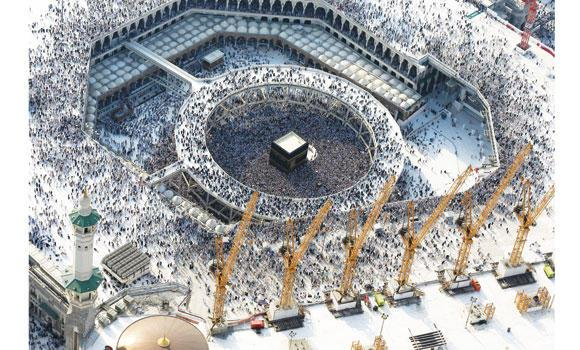
Journey of a lifetime ends successfully Haj Mabroor! HAJ MABROOR: After arriving in Makkah from Mina on Thursday, pilgrims circumambulate the Kaaba marking the end of Haj. (AN photo by Khidr Al-Zahrani) 18 October 2013 The once-in-a-lifetime journey of faith, endurance and determination for hundreds of thousands of Muslims from nearly 200 countries came to a successful end on Thursday. Relief was writ large on the faces of pilgrims, many in the autumn of their lives as was evident from the deep furrows on their brows. Here at Mina, they were the personification of sheer determination. Many pilgrims woke up early on Thursday and straight after sunrise began throwing seven pebbles at each of the three huge concrete structures representing the devil. Makkah Gov. Prince Khaled Al-Faisal described this year’s Haj as an overwhelming success. “All government institutions, security forces, volunteers, pilgrim establishments and men on the ground worked as one team to ensure the success of this year’s Haj,” he said. “You can call this a turning point,” he said, and praised Custodian of the Two Holy Mosques King Abdullah, Crown Prince Salman and Interior Minister Prince Mohammed bin Naif. “All the rituals were carried out in a calm atmosphere and free of any political demonstrations, proving that Islam is a religion of peace, civilization and progress,” he said. Outside the press conference venue, pilgrims echoed his words. “With God’s help and the Saudi government’s excellent arrangements, we could complete all the rituals,” said 69-year-old Athar Mohiuddin, from Pakistan’s Hyderabad. “The rituals were not really easy for me, especially because I had to push my wife in a wheelchair,” he said. “We know Haj is hardship, but now that we have done it we beseech Allah to accept it.” Mohiuddin and his wife performed the stoning ritual at 2 p.m. on Thursday before taking the bus out of Mina. “We are now heading to Makkah to our temporary residence before heading to Pakistan next week,” he said. “We want to rest now.” Other pilgrims, after living in spartan conditions for the past week, traveled to Jeddah to catch flights home or to Madinah. “This is a miracle,” gushed Mohammed Quraishi, from Agra, India. During Haj orientation camps in India, Quraishi was told that this year’s pilgrimage was going to be hard because of the paucity of space at the holy sites. “We were mentally prepared,” he said. “However, everything went so smoothly, we could hardly have imagined it,” he said. Quraishi’s acquaintance, Muhammad Farooq, nodded in affirmation. “Yes, we are very happy at having completed the Haj,” said Farooq. “We come from the city of Taj Mahal, but the real crown is here in this holy Kingdom,” he said, playing on the Urdu word “Taj” which means crown. Zafarullah Khan Faridi from Kabul was delighted at the completion of the Haj. Flashing an infectious smile, he was more than willing to talk to Arab News about his experience. “It was a great feeling to be part of this vast multitude of pilgrims,” he said. “All the depression that I found in my home country was washed away the moment I cast my eyes on the Holy Kaaba. I don’t know what I asked of Allah. He knows what I need and what's in my heart.” On the outskirts of Mina, bus drivers shouted, “Haram! Haram!” the Arabic name for the Grand Mosque as pilgrims piled aboard. Faridi boarded one of them. “Haj Mabrook to all,” he said waving a final goodbye. http://www.arabnews.com/news/468085
-
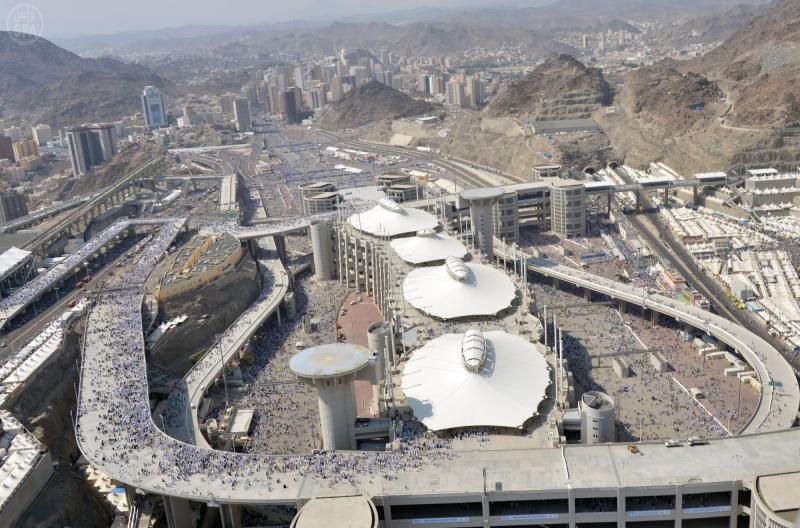
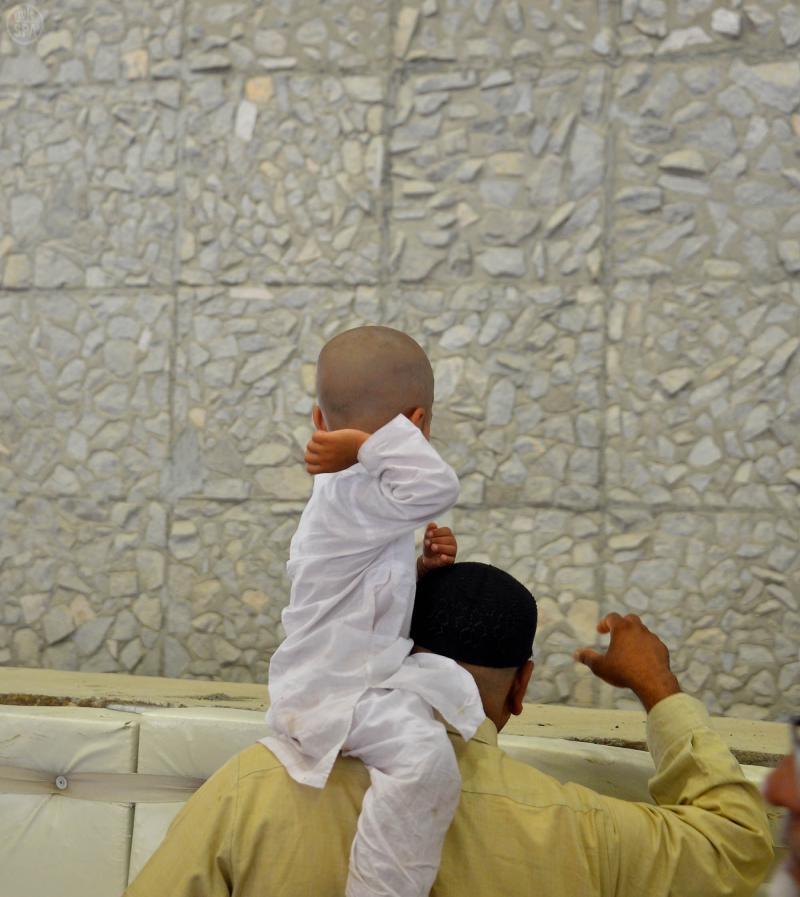
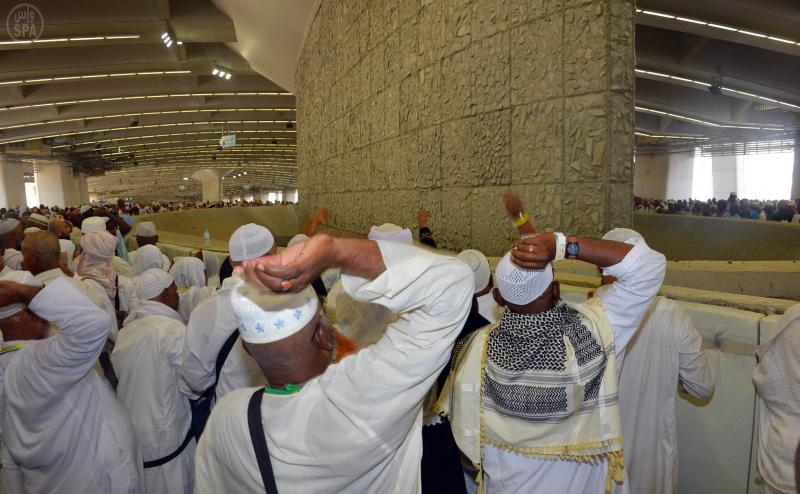
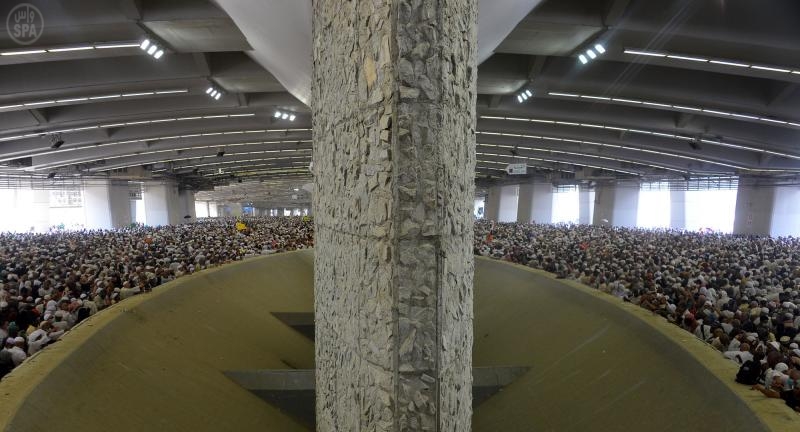
Pilgrims Stoning Continues on12th & 13th Dhul Hijjah (Hajj 1434) "Why should I be left out?"
-
-
-
-
-
-
In search of Truth This book presents a story of a sincere search for the true religion and the Divine guidance, which led to the ultimate destination. Hazrat Maulana Yunus Patel Saheb narrated this incident, presenting detail and explanation in the lessons derived. The discourse leaves one with deep appreciation for the tremendous bounties of Imaan and Islam, and the great fortune of being followers of Nabi Muhammad (1). PDF or DOWNLOAD HERE