
ummtaalib
-
Posts
8,477 -
Joined
-
Days Won
773
Content Type
Profiles
Forums
Events
Everything posted by ummtaalib
-
 The Five Durood of Imaam Shaafi’ee (Rahmatullahi Alaihi) It is mentioned that after the demise of Imaam Shaafi’ee (Rahmatullahi Alaihi), someone had seen him in a dream and asked him the reason for being pardoned by Allah Ta’ala. Imaam Shaafi’ee (Rahmatullahi Alaihi) replied: “It is because of these five durood upon Rasulullah (Sallallahu Alaihi Wasallam) that I used to recite every Friday night (i.e. the night preceding Friday) اَللّهُمَّ صَلِّ عَلَى مُحَمَّد بِعَدَدِ مَن صَلَّى عَلَيه وَ صَلِّ عَلى مُحَمَّدٍ بِعَدَدِ مَن لَم يُصَلِّ عَلَيه وَ صَلِّ عَلَى مُحَمَّدٍ كَمَا اَمَرتَ بِالصَّلَوةِ عَلَيهِ وَ صَلِّ عَلَى مُحَمَّدٍ كَمَا تُحِبُّ اَن يُّصَلَّى عَلَيه وَ صَلِّ عَلى مُحَمَّدٍ كَمَا يَنبَغِي اَن يُصَلَّى عَلَيه O Allah, shower your choicest mercy and blessings on the master of the worlds, Hadhrat Muhammad (Sallallahu Alaihi Wasallam) according to the number of people who recited durood upon Nabi (Sallallahu Alaihi Wasallam). And shower your choicest mercy and blessings on the master of the worlds, Hadhrat Muhammad (Sallallahu Alaihi Wasallam) according to the number of people who did not recite durood upon Nabi (Sallallahu Alaihi Wasallam). And shower your choicest mercy and blessings on the master of the worlds, Hadhrat Muhammad (Sallallahu Alaihi Wasallam) in the manner that You have commanded that durood be recited upon him. And shower your choicest mercy and blessings on the master of the worlds, Hadhrat Muhammad (Sallallahu Alaihi Wasallam) in the most befitting manner which pleases You. And shower your choicest mercy and blessings on the master of the worlds, Hadhrat Muhammad (Sallallahu Alaihi Wasallam) in the manner he should be remembered and durood be recited upon him. يَا رَبِّ صَلِّ وَ سَلِّم دَائِمًا أَبَدًا عَلَى حَبِيبِكَ خَيرِ الخَلْقِ كُلِّهِمِ Ihyaaud Deen
 -
The Special Durood of Imaam Shaafi’ee (Rahmatullahi Alaihi) In “Rowdhatul Ahbaab”, Imaam Isma’eel ibn Ebraheem Muzni (Rahmatullahi Alaihi) (one of Imaam Shaafi’ee (Rahmatullahi Alaihi)’s famous students) reports, “I once saw Imaam Shaafi’ee (Rahmatullahi Alaihi) in a dream after his death and asked him, ‘How did Allah Ta’ala treat you?’ Imaam Shaafi’ee (Rahmatullahi Alaihi) replied, ‘Allah Ta’ala has pardoned me and commanded that I be escorted into Paradise with honour and respect. I have acquired all this through the blessings of one particular durood which I used to recite upon Nabi (Sallallahu Alaihi Wasallam).’ I enquired, ‘Which durood is that?’ Imaam Shaafi’ee (Rahmatullahi Alaihi) replied: اللّهُمَّ صَلِّ عَلَى مُحَمَّدٍ كُلَّمَا ذَكَرَهُ الذَّاكِرُونَ وَ كُلَّمَا غَفَلَ عَن ذِكْرِهِ الْغَافِلُونَ O Allah Ta’ala! Bestow mercy upon Hadhrat Muhammad (Sallallahu Alaihi Wasallam) equivalent to the number of times that all those remember him, and bestow mercy upon Hadhrat Muhammad (Sallallahu Alaihi Wasallam) equivalent to the number of times that all those forget to remember him. (Fazaail Durood) يَا رَبِّ صَلِّ وَ سَلِّمْ دَائِمًا أَبَدًا عَلَى حَبِيبِكَ خَيرِ الخَلْقِ كُلِّهِمِ
-
Receive the Intercession of Rasulullah (Sallallahu Alaihi Wasallam) عَن رُوَيفِع بْنِ ثَابِت الأنصَارِي رَضِيَ اللهُ عَنهُ أًنَّ رَسُولَ اللهِ صَلَّى اللهُ عَلَيهِ وَسَلَّمَ قَالَ مَنْ صَلَّى عَلَى مُحَمَّدٍ وَقَالَ اَلَّلهُمَّ أَنْزِلْهُ المقعَدَ المقَرَّبَ عِنْدَكَ يَومَ القِيَامَة وَجَبَتْ لَهُ شَفَاعَتِي (مسند أحمد) Hadhrat Ruwayfi’ bin Thaabit Al-Ansaari (Radhiallahu Anhu) reports that Rasulullah (Sallallahu Alaihi Wasallam) said: “Whosoever recites the following durood will be blessed with my intercession on the day of Qiyaamah: اَللَّهُمَّ صَلِّ عَلَى مُحَمَّدٍ وَ أَنْزِلْهُ المقْعَدَ المقَرَّبَ عِنْدَكَ يَومَ القِيَامَة O Allah, shower your choicest durood (blessings) on Hadhrat Muhammad (Sallallahu Alaihi Wasallam) and grant him the lofty position of maqaam-e-mahmood on the day of Qiyaamah
-
GROSS SALAFI DECEPTION ABOUT 20 RAKAAT TARAWEEH Opinion of Hanafi Imams, taraweeh 8 or 20? The below is been floated by salafis to confuse the simple minded Muslims. Performing Twenty Rakaahs Taraweeh is Sunnah Mu'akkadah Question: The reason for posing this question is that a Ghayr Muqallid by the name of Molvi Abdul Jaleel Saamrodi is creating havoc by publishing an article in a Gujarati newspaper that there is no proof for the Taraaweeh salaah being more than eight Rakaahs. He challenges people to prove even from a weak Hadith that Rasulullaah (SAW) performed twenty Rakaahs of Taraaweeh. He even quotes from Hanafi books such as Tahtaawi, Maraaqil Falaah, Fat’hul Qadeer, Ayni and others stating that twenty Rakaahs Taraaweeh has not been proven from the action of Rasulullaah (SAW). He writes, “Dear friends! There is no doubt about the fact that Rasulullaah (SAW) never performed twenty Rakaahs of Taraaweeh. It was the people (Sahabah (RA)) after him who increased the number of Rakaahs. Now one needs to think whether it is Rasulullaah (SAW) we have to follow or the people (the Sahabah (RA))? Has Allaah given the rights to the Deen and the Shari'ah to any of the followers of Rasulullaah (SAW)? Do not fall into the deception of the extra (twenty Rakaahs) of Taraaweeh that the people have started.” Would you please furnish the details of the twenty Rakaahs of Taraaweeh salaah because the people are greatly confused. Answer: What a disservice to the Deen it is to start the debate of twenty Rakaahs Taraaweeh salaah at a time when most Muslims are not even performing their salaah and the Masaajid are left deserted! At a time when Muslims are concerned about those afflicted with disasters all over the world, someone like Saamrodi offers a challenge of thousands of Rupees to anyone contesting the issue of twenty Rakaahs Taraaweeh! Even death is better than a perverted understanding of matters. It is irresponsible acts like this that have given Saamrodi and his group a bad name. In fact, people with a clear understanding of matters steer clear from them and refer to him as Saamiri (the deceitful hypocrite during the time of Hadhrat Moosa (RA)). The editor of the Delhi Tarjumaan newspaper has written the following in the 1 October 1957 edition in an article titled ‘Saamiri’s evil’: “The hallmark of this strange man is to create havoc and all his life has instigated waves of conflict in peaceful environments. He has therefore been likened to the instigator Saamiri.” His leader from the Ahle Hadith Moulana Thanaa’ullaah held the beliefs of the Mu’tazilahs, Jahmiyyahs and naturalists. People with incomplete and slight knowledge of the Deen have always sowed seeds of trouble because they regard their meagre knowledge of Deen to be all of Deen. Moulana Rumi describes a person with such incomplete knowledge as a person being led about by Shaytaan. The Khawaarij also had an incomplete picture of the Deen before them and accused Hadhrat Ali (RA)of ignoring the commands of the Qur'aan by quoting the verse “All decisions rest with Allaah”. They then rebelled against him and became Kuffaar together with their companions. Although they recited the Qur'aan, they failed to understand it and Rasulullaah (SAW) actually predicted their advent when he described them as “people who will recite the Qur'aan, but it will not even pass their collarbones.” When Hadhrat Abdullaah bin Abbaas (RA)went to reason with them, he asked them what their grievance against Hadhrat Ali (RA)was. They said that Hadhrat Ali (RA)appoints people as arbiters and heeds to their decisions, whereas this opposes the Qur'aan which states: “All decisions rest with Allaah”. Hadhrat Abdullaah bin Abbaas (RA)then explained to them that the Qur'aan actually instructs people to appoint arbiters. In the case of a person in Ihraam hunting an animal, the Qur'aan declares that two just people should be appointed to decide the precise animal to be given in compensation. Furthermore, in the case of a dispute between a couple, the Qur'aan enjoins that an arbiter from the husband’s side and another from the wife’s side should negotiate a settlement. Just like them, Saamrodi also fails to understand the Qur'aan. He shouts slogans of “Obey Allaah and the Rasool ” and advocates following the Ahadeeth, but then closes his eyes to other verses of the Qur'aan, to other Ahadeeth and the practices of the Sahabah (RA). Whereas the Khawaarij labelled only Hadhrat Ali (RA) and his companions as misguided people, Saamrodi labels every follower of the Deen for the past thirteen hundred years as misguided people and opponents of the Sunnah and the Ahadeeth. The group he labels include the Sahabah (RA), the Taabi’een, the Awliyaa, the Mashaa’ikh and even Imaam Abu Haneefah (RA), Imaam Shaafi’ee (RA) Imaam Maalik (RA) and Imaam Ahmad bin Hambal (RA) He regards the twenty Rakaahs of Taraaweeh that they all performed a deception (Allaah forbid!). Saamrodi’s challenge is just like a person who claims that the Qur'aan says, “Do not perform salaah” but omits the next part of the verse that reads, “…when you are in the state of intoxication” or one who advocates a free reign in eating and drinking by claiming that the Qur'aan states “Eat and drink” but omits to mention the next part of the verse that reads “but do not be extravagant”. May Allaah save us from Saamrodi’s audacity. He quotes extracts from Tahtaawi, Ashbaa, Maraaqil Falaah, Moulana Nanotwi (RA)’s Maktoobat, Moulana Anwar Shah (RA)’s Urfush Shazi, Allaama Ibn Humaam (RA)’s Fat’hul Qadeer, Allaama Ayni (RA)’s commentary of Bukhaari, Allaama Halabi (RA)’s Kabeeri, Mulaa Ali Qaari (RA)’s Mirqaat and from Allaama Tahaawi (RA) . However, these extracts have been quoted out of context, incomplete and twisted to suit himself. We shall now present the words of these scholars to you. TAHTAAWI: After a lengthy discussion, Allaama Tahtaawi (RA) states: “This narration from Hadhrat Abdullaah bin Abbaas (RA)makes it evident that twenty Rakaahs Taraaweeh salaah has been proven as an act of Rasulullaah (SAW).” He further states that the practice of twenty Rakaahs with ten Salaams has been passed down from generation to generation. MARAAQIL FALAAH: “The Taraaweeh salaah is Sunnah Mu’akkadah and it comprises of twenty Rakaahs with ten Salaams by the consensus of the Sahabah (RA) and has been passed down from generation to generation. AL ASHBAA WAN NADHAA’IR: “The Taraaweeh salaah comprises of twenty Rakaahs with ten Salaams”. LATAA’IF QAASIMI: Hadhrat Moulana Qaasim Nanotwi (RA) writes: “An act that the Sahabah (RA) carried out regularly is Sunnah Mu’akkadah because Rasulullaah (SAW) said, “Hold fast to my practices and the practices of the rightly guided Khalifahs.” He writes further, “Twenty Rakaahs Taraaweeh has been proven from the end of Hadhrat Umar (RA)’s Khilaafah by consensus of the Sahabah (RA). It is therefore a Sunnah and whoever denies it being such is misguided and wrong.” In his Tasfiyatul Aqaa’id, his Fatwa states the same and will be quoted at the end with the question. Allaama Anwar Shah Kashmeeri(RA): In his commentary of Tirmidhi called Urfush Shazi, Hadhrat Allaama writes: “None of the four Imaams advocate anything less than twenty Rakaahs and this was the practice of the consensus of the Sahabah (RA). In fact, Imaam Maalik (RA) is of the opinion that the Taraaweeh salaah comprises of 36 Rakaahs. He explains further that while the people of Makkah performed Tawaaf during the rest period between every four Rakaahs of Taraaweeh, the people of Madinah were unable to do so. To compensate for this, they performed four Rakaahs salaah individually during this period, because of which they eventually performed 16 extra Rakaahs, making it a total of 36. ALLAAMA IBN HUMAAM: “Authentic narrations prove that the Sahabah (RA) and Taabi’een performed twenty Rakaahs Taraaweeh during the Khilaafah of Hadhrat Umar (RA), as reported by Yazeed bin Roomaan in the Mu’atta of Imaam Maalik and by Hadhrat Saa’ib bin Yazeed (RA) in a narration of Bayhaqi. The narration is authentic as researched by Imaam Nawawi (RA).” ALLAAMA AYNI (RA)’S COMMENTARY OF BUKHAARI: “The number of Rakaahs in the Taraaweeh salaah is twenty and this is also the practice of Imaam Shaafi’ee (RA) and Imaam Ahmad (RA). Their proof is the a narration of Bayhaqi from Hadhrat Saa’ib bin Yazeed (RA). During the times of Hadhrat Umar (RA), Hadhrat Uthmaan (RA)and Hadhrat Ali (RA)the Sahabah (RA) performed twenty Rakaahs Taraaweeh salaah as did those after them. The best practice to follow is that of the Sahabah (RA).” ALLAAMA HALABI (RA) IN KABEERI: “It is clear from this discussion that the Taraaweeh salaah comprises of twenty Rakaahs with ten Salaams according to us. This is the practice of the majority, while Imaam Maalik (RA) is of the opinion that it comprises of 36 Rakaahs, as was the practice of the people of Madinah. The proof is from an authentic narration of Bayhaqi in which Hadhrat Saa’ib bin Yazeed t states that they performed twenty Rakaahs Taraaweeh during the periods of Hadhrat Umar (RA), Hadhrat Uthmaan (RA) and Hadhrat Ali (RA). The other narration of Yazeed bin Roomaan رحمه الله in the Mu’atta of Imaam Maalik states that during the Khilaafah of Hadhrat Umar (RA), people performed 23 Rakaahs of Taraaweeh together with the Witr salaah. The book Al Mughni contains a narration from Hadhrat Ali (RA) in which he instructed someone to lead the people in twenty Rakaahs of Taraaweeh salaah. This is as good as Ijmaa. Although the narration of Yazeed bin Roomaan (RA) in the Mu’atta is Munqati, it is reliable according to Imaam Maalik (RA)and therefore fit to make deductions from.” 9. ALLAAMA MULLA ALI QAARI (RA): “The matter is established by Ijma because of the authentic narration of Bayhaqi in which Hadhrat Saa’ib bin Yazeed (RA) states that they performed twenty Rakaahs Taraaweeh during the periods of Hadhrat Umar (RA), Hadhrat Uthmaan (RA)and Hadhrat Ali (RA). 10. TAHAAWI: Although in his discussion of the three Rakaahs of Witr, Imaam Tahaawi (RA) quotes a narration that makes it appear as if the Taraaweeh salaah comprises of eight Rakaahs, the Imaam would certainly have quoted it again in his discussion of the Taraaweeh salaah being twenty Rakaahs. He however does not do this because he also believes that according to Ijma the Taraaweeh salaah comprises of twenty Rakaahs. Taken from Fatawa Rahimiyyah vol. 2 English Our Comment Generaly trouble makers use the following methods to cause havoc and fitna; Mis-quote, Mis-interpret, Quote the referance correctly but mis-quote what is written therein, Add in the quote, Subtract in the quote, Quote only that portion that suits their course ie selective quoting, Quote within the quote the statement of some other scholar and attribute it to the author of the book, Quote the statement of the questioner and attribute it to the author, Completely quote wrongly, Quote and in brackets add their own commentary giving the impression that the words in brackets are those of the author. Most devitated groups use the above nefarious tactics. Be awake and may Allaah save us all. The Aversion the Sahabah (RA) had for Acts of Bid'ah Let us now focus on the Sahabah (RA) and examine their thinking, their inclinations and aversions. They were the illustrious group whom Allaah selected to be companions of His beloved Nabi (SAW). They were the bearers of Rasulullaah (SAW)’s message to all of mankind to come until Qiyaamah. Their fervour for the preservation of the Deen was therefore so intense that there is no group after them who ever detested acts of Bid'ah as much as they did. The Sahabi Hadhrat Abdullaah bin Mughaffal (RA) testifies: “I have never seen any of the Sahabah (RA) detest anything as much as acts of Bid'ah.” You will see from the narrations we shall be quoting that the vision of the Sahabah (RA) was extremely well-tuned and deep and they would reprimand people for matters that we would regard as trivial. One cannot imagine that such people would ever sit back and allow any open act to take place that conflicts with the Sunnah, let along participate in the same. Here are a few incidents to note: When someone came to Hadhrat Abdullaah bin Umar (RA) to convey the Salaams of another man, Hadhrat Abdullaah bin Umar (RA) remarked that he had heard people say that the person was one who perpetrated acts of Bid'ah. He therefore said, “If he really does perpetrate acts of Bid'ah, then do not convey my Salaams to him.” When he heard the Mu’adhin in Makkah announced the Tathweeb (announcing the salaah after the Adhaan), Hadhrat Umar (RA) cautioned him saying, “Are the words of the Adhaan not sufficient?” When Hadhrat Ali (RA) saw a Mu’adhin announcing the Tathweeb, he became angry and said, “Remove this perpetrator of Bid'ah from the Masjid.” Hadhrat Mujaahid (RA) reports that they were with Hadhrat Abdullaah bin Umar (RA)in a Masjid when after the Zuhr Adhaan, the Mu’adhin called out “As Salaah! As Salaah!” Hadhrat Abdullaah bin Umar (RA) exclaimed, “Take me away from this person who practises Bid’ah.” He then left and performed his salaah elsewhere. NOTE: If the Sahabah (RA) could not tolerate adding an announcement after the Adhaan, could they ever tolerate a salaah of twenty Rakaahs? Hadhrat Hasan (RA) reports that when someone invited Hadhrat Uthmaan bin Abul Aas (RA) to a circumcision ceremony, he refused the offer saying, “Neither did we invite people for a circumcision ceremony during the time of Rasulullaah (SAW), nor did we attend any.” When Hadhrat Sa’d bin Maalik (RA) heard a person say, “Labbaik, Yaa Dhal Ma’aarij” to the Talbiya, he remarked, “We never said these words during the time of Rasulullaah (SAW).” Hadhrat Abdullaah bin Abbaas (RA) was once performing Tawaaf with Hadhrat Mu'aawiya (RA). When Hadhrat Mu'aawiya (RA) kissed all four corners of the Kabah, Hadhrat Abdullaah bin Abbaas (RA) told him that Rasulullaah (SAW) kissed only the Rukn Yamaani and the Hajar Aswad. “But no part of this Kabah deserves to be left out,” Hadhrat Mu'aawiya (RA) remarked. To this, Hadhrat Abdullaah bin Abbaas (RA) recited the verse, “There is indeed a sterling example for you in Rasulullaah (SAW).” Hadhrat Mu'aawiya (RA) agreed that he was right. NOTE: When a person cannot tolerate that the Kabah be kissed in conflict with the Sunnah of Rasulullaah (SAW), how can he tolerate that a Bid'ah be perpetrated in the Masjidul Haraam and Masjidun Nabawi? When Hadhrat Abdullaah bin Abbaas (RA) saw Hadhrat Tawoos performing Nafl salaah after the Asr salaah, he stopped him, telling him that it was in conflict with the Sunnah. A person once arrived at the place of performing the Eid salaah on the day of Eid and was about to start performing salaah when Hadhrat Ali (RA) stopped him. “O Ameerul Mu'mineen!” the man said, “I know well that Allaah will not punish me for performing salaah (why are you then stopping me?).” Hadhrat Ali (RA) replied, “I know well that Allaah will not reward you for something unless Rasulullaah (SAW) did it or encouraged it. (Since Rasulullaah (SAW) did not perform any salaah before the Eid salaah) I fear that you act will be futile and (when it comes to worship) futile acts are Haraam. I therefore fear that Allaah may even punish you for it.” Now when Hadhrat Ali (RA) regarded performing Nafl salaah in conflict with the Sunnah to be a cause for punishment, why did he not stop the twenty Rakaahs of Taraaweeh salaah and even appoint an Imaam to lead it? When Hadhrat Abu Sa’eed Khudri (RA) saw the Khalifah Marwaan delivering the Khutbah before the Eid salaah, he stopped him, saying that it opposed the Sunnah. Hadhrat Ka’b bin Ujrah (RA) once entered the Masjid when Abdur Rahmaan bin Ummul Hakam was sitting and delivering the Khutbah. “Look at that wretch!” Hadhrat Ka’b (RA) remarked, “He is sitting while delivering the Khutbah when Allaah says, “When they see trade or futility (the caravan and its welcoming procession), they hurry to it and leave you (O Rasulullaah (SAW)) standing (where you are in the process of delivering the Friday Khutbah).” Hadhrat Abu Moosa Ash’ari (RA) was the governor of Kufa and Hadhrat Salmaan bin Rabee’ah (RA) was the judge of Kufa at the time when they both issued a verdict that a daughter and a sister should each receive half the estate of a deceased while the grand daughter received nothing. They then sent the questioner to Hadhrat Abdullaah bin Mas’ood (RA) for confirmation. Hadhrat Abdullaah bin Mas’ood (RA) however disagreed and immediately said, “I cannot say something that opposed what Rasulullaah (SAW) did, otherwise I would go astray.” According to what Rasulullaah (SAW) said, he then gave half the estate to the daughter, a sixth to the grand daughter and the remainder to the sister. When Hadhrat Abdullaah bin Umar (RA) saw people raising their hands above their chests while making du’aa, he said, “Your raising your hands like that is a Bid’ah because Rasulullaah (SAW) never raised his hands above his chest.” 14. When Hadhrat Umaarah bin Ruwaybah (RA)saw Bishr bin Marwaan raise his hands in du’aa as he delivered a sermon, he made du’aa that Allaah destroy Bishr’s hands because he never saw Rasulullaah (SAW) raise his hands in that manner during the sermon. 15. Hadhrat Abdullaah bin Zubayr (RA) once saw a person raise his hands in du’aa (during Qa’dah) before completing the salaah. He therefore told the man that Rasulullaah (SAW) never raised his hands in du’aa until he had completed the salaah. 16. Hadhrat Umar (RA) had sent Hadhrat Abdullaah bin Mas’ood (RA) to Kufa to teach the Qur'aan and Ahadeeth to the people and as a Mufti. It was during this period that when the people waited for the Fajr salaah, they started the practice of sitting in groups with many stones before them. Someone would then tell them to recite Allaahu Akbar a hundred times and they would all do so. He would then tell them to recite Laa Ilaaha Illallaah a hundred times and they would do it. In this manner, they would recite various Adhkaar. When Hadhrat Abdullaah bin Mas’ood (RA) heard about this, he approached them and asked what they were doing. “We are only counting the Tasbeehaat with these stones,” they replied. Hadhrat Abdullaah bin Mas’ood (RA) said to them, “You had rather count your sins on them. There is no need to count the Tasbeehaat because I can assure you that Allaah does not waste a single good deed. Hadhrat Abdullaah bin Mas’ood (RA) then said in remorse, “O Ummah of Muhammad ! It is so sad to see how fast you are heading for destruction! The companions of Rasulullaah (SAW) are still amongst you, Rasulullaah (SAW)’s clothing is still with you and has not yet become old and even his utensils are present without being broken (yet you have already started going astray). I swear by the Being Who controls my life that you people are either following a way that is more rightly guided than the way of Rasulullaah (SAW) (which is impossible) or you have opened the doors to deviation.” But we have only intended to do good,” the people pleaded. “There are many people who say that they only intend good,” Hadhrat Abdullaah bin Mas’ood (RA) said, “however, they are never blessed with any good at all. Rasulullaah (SAW) told us that there will be people who will recite the Qur'aan without the Qur'aan going higher than their collarbones (will not be accepted) because their recitation will be done as they want to do it and not as Allaah and His Rasool want it.” Hadhrat Abdullaah bin Mas’ood (RA) then went away in anger. The narrator of the incident says, “We observed that these people later affiliated with the Khawaarij because they were fighting against us when we waged war against the Khawaarij.” 17. Another narration states that Hadhrat Abdullaah bin Mas’ood (RA) once heard about some people who sat in groups after the Maghrib salaah. One of them would then tell the others to recite Subhaanallaah a certain number of times, Alhamdulillaah a certain number of times and Allaahu Akbar a certain number of times. The people would then do as bidden. When Hadhrat Abdullaah bin Mas’ood (RA) heard about this and saw what they were doing, he remarked, “I swear by Allaah that you people are either involved in a very dark Bid’ah or you have more knowledge than the Sahabah (RA) of Rasulullaah (SAW).” He then had them removed from the Masjid. 18. Although the Ahadeeth prove that Chaast salaah (Salaatut Duha) should be performed, there is no need to gather in the Masjid to do so or to make announcements to the effect. In fact, doing so is an act of Bid’ah, as stated by Hadhrat Abdullaah bin Umar (RA) 19. When the son of Hadhrat Abdullaah bin Mughaffal (RA) recited Bismillaah loudly in salaah before Surah Faatiha, his father said, “Dear son! That is an act of Bid’ah. Abstain from acts of Bid’ah. I have not seen anything more detestable to the Sahabah (RA) of Rasulullaah (SAW) than acts of Bid’ah. I have performed salaah behind Hadhrat Abu Bakr (RA), Hadhrat Umar (RA) and Hadhrat Uthmaan (RA) and have never heard any of the them recite it (loudly), so do not do so" NOTE: Why did no one speak out when twelve Rakaahs were added to eight? 20. Hadhrat Abu Maalik Ashja’ee (RA) reports that he once asked his father Hadhrat Taariq (RA), “You have performed salaah behind Rasulullaah (SAW), Hadhrat Abu Bakr (RA), Hadhrat Umar (RA), Hadhrat Uthmaan (RA) and now for five years here in Kufa behind Hadhrat Ali (RA). Did they always recite the Qunoot?” “Dear son!” he replied, “That is a Bid’ah. 21. Hadhrat Naafi رحمه اللهreports that Hadhrat Abdullaah bin Umar (RA) once heard a person sneeze and say, “Alhamdulillaah was Salaamu alaa Rasulillaah”. To this, Hadhrat Abdullaah bin Umar (RA) remarked, “Although I also say “Alhamdulillaah was Salaamu alaa Rasulillaah” (on other occasions as separate phrases), Rasulullaah (SAW) did not teach us this (to recite this when sneezing). What Rasulullaah (SAW) did teach us was to recite “Alhamdulillaah alaa Kulli Haal”. NOTE: When the Sahabah (RA) could not tolerate little matters that were done individually like reciting Bismillaah loudly, saying “Alhamdulillaah was Salaamu alaa Rasulillaah” after sneezing and reciting the Qunoot on a continuous basis, how could they tolerate a congregational act of performing twenty Rakaahs salaah? The matter was not something small like two or four Rakaahs, but twenty – that too in Jamaa'ah 22. When Hadhrat Sa’d bin Abi Waqqaas (RA) passed away, Hadhrat Aa’isha (RA) requested that the Janaazah salaah be performed in the Masjid so that she could also attend it. Despite the fact that the request was made by the mother of the Mu'mineen and despite the fact that Hadhrat Sa’d bin Abi Waqqaas (RA) was the conqueror of Iraq, one of the earliest Muslims and amongst the Ashara Mubashara, the Sahabah (RA) refused to permit the act because performing the Janaazah salaah in the Masjid was in conflict with the Sunnah of Rasulullaah (SAW). Now if the twenty Rakaahs Taraaweeh salaah was not performed by Rasulullaah (SAW) and conflicted with the Sunnah, is it not surprising that the Sahabah (RA) allowed it to take place? 23. Hadhrat Umar (RA) once passed a verdict about blood money for a finger, but was then informed of a statement of Rasulullaah (SAW) that opposed his verdict. He then immediately retracted his verdict NOTE: If twenty Rakaahs Taraaweeh opposed the Sunnah of Rasulullaah (SAW), why did no one point this out to Hadhrat Umar (RA)? 24. Hadhrat Umar (RA) once decreed that an insane woman who committed adultery be stoned to death. Hadhrat Ali (RA) however opposed the verdict, proving his opinion by quoting from Rasulullaah (SAW) that three persons are not responsible for their actions. They are (1) the sleeping person until he awakens, (2) the child until he comes of age and (3) the insane person until he regains his sanity. Hadhrat Umar (RA) then immediately revoked the decree. Hadhrat Umar (RA) also thanked Hadhrat Ali (RA) for correcting him and stated, “Had it not been for Ali, Umar would have been destroyed.” Regarding as misleading an act that the Sahabah (RA) were unanimous about is pure obstinacy. Practising accordingly is necessary and it is only due to ignorance that one would look to other proofs and regard what they did as insufficient. Hadhrat Ayyoob Sakhtiyaani (RA) says, “When you tell someone about a Sunnah act and he says, ‘Do not tell us about that, but rather tell us what the Qur'aan says’, then know that such a person is astray.” The Fervour to Follow the Sunnah Allaah says: “Say (to the people, O Muhammad e), “If you love Allaah then follow me (Muhammad (SAW)), Allaah will then love you (He will reward you and grant you numerous material and spiritual blessings) and forgive your sins. Allaah is Most Forgiving, Most Merciful.” Addressing the Mu'mineen, Allaah says, “There is definitely an excellent example in Allaah’s Rasool (SAW) for the one who fears Allaah and the Last Day, and who remembers Allaah abundantly.” Rasulullaah (SAW) said, “None of you has Imaan until his desires are subservient to that which I have brought.” The Sahabah (RA) were the best images of Rasulullaah (SAW)’s life. While they strongly opposed any Bid'ah, they had tremendous fervour to emulate everything Rasulullaah (SAW) did. Volumes can be filled with accounts of this, but we will suffice with just a few. Rasulullaah (SAW) once mounted the pulpit and instructed the people to sit. When Hadhrat Abdullaah bin Mas’ood (RA) who was at the door of the Masjid heard this, he immediately sat where he was, even though the instruction was for those inside the Masjid. Rasulullaah (SAW) was once leading the salaah when he suddenly removed his shoes. Seeing this, the Sahabah (RA) immediately removed their shoes as well. When the salaah was over, Rasulullaah (SAW) asked them why they had removed their shoes and they submitted that they had done so because he had done so. Rasulullaah (SAW) then explained that he had removed his shoes because Hadhrat Jibra’eel (RA) told him that there was some impurity beneath it. Rasulullaah (SAW) advised people that when they become angry, they should sit if they are standing and lie down if they are sitting. Hadhrat Abu Dharr (RA) was drawing water in an orchard one day when a person did something that caused all the water to flow outwards rather than inwards. This made Hadhrat Abu Dharr (RA) very angry, but, recalling the instruction of Rasulullaah (SAW), he immediately sat down even though his clothing became wet and muddy in the water. It was the teaching of Rasulullaah (SAW) that when a morsel of food fell out of one’s hand while eating, one should pick it up, clean it and eat it. When a morsel once fell out of the hand of the Sahabi Hadhrat Hudhayfah bin Yamaan (RA), whilst he was sitting in the company of some non-Arab leaders. Because these people would have regarded the act of picking up the food as uncultured, another Muslim advised Hadhrat Hudhayfah (RA) not to pick up the morsel. Hadhrat Hudhayfah (RA) however went ahead saying, “Should I leave out the Sunnah of Rasulullaah (SAW) for the sake of these fools?” The incident of Hadhrat Umar (RA) is famous that when he kissed the Hajar Aswad on the occasion of Hajj, he addressed it saying, “I know well that you are a stone that can neither do good nor cause harm, but had I not seen Rasulullaah (SAW) kissing you, I would never have done so.” The Kabah contains a treasure that the Mushrikeen amassed over the years, but which Islaam forbade. Hadhrat Shaybah (RA) says that Hadhrat Umar (RA) once approached the Kabah and mentioned that he intended removing the treasure and distributing it amongst the people. “But none of the two before you (Rasulullaah (SAW) and Hadhrat Abu Bakr (RA)) did that?” Hadhrat Shaybah (RA) remarked. Upon hearing this, Hadhrat Umar (RA) immediately cancelled his plans and said, “Those are the two whom I have to follow.” Hadhrat Abdullaah bin Umar (RA) knew all the places en route to Makkah where Rasulullaah (SAW) performed salaah or did anything and would also perform salaah and do the same act wherever Rasulullaah (SAW) did so. In fact, he even stopped in a valley between Arafaat and Muzdalifah to make wudhu at a place where Rasulullaah (SAW) made wudhu. There was a danger of a war taking place during the time of Hajj after Hadhrat Abdullaah bin Zubayr (RA) was martyred in the year 73 A.H. When Hadhrat Abdullaah bin Umar (RA) intended performing Hajj during this time, his sons prevented him saying, “You may be stopped from reaching the Haram.” Hadhrat Abdullaah bin Umar (RA) however argued that Rasulullaah (SAW) faced the same danger when he proceeded for Umrah, but he did not postpone it. Furthermore, he reasoned, being stopped from entering the Haram is another Sunnah of Rasulullaah (SAW) (when Rasulullaah (SAW) was stopped at Hudaybiyyah), in which case Rasulullaah (SAW) slaughtered his animal and returned. Hadhrat Abdullaah bin Umar (RA) therefore also took an animal along with him as Rasulullaah (SAW) did so that he would be able to do exactly as Rasulullaah (SAW) if he was stopped on the way. It was with 1400 Sahabah (RA) that Rasulullaah (SAW) proceeded for Umrah and was stopped by the Mushrikeen from entering Makkah at Hudaybiyyah. Rather then fighting, Rasulullaah (SAW) opted to enter into a peace treaty with the Mushrikeen and amongst others, the Mushrikeen sent Hadhrat Urwa bin Mas’ood (RA)as their envoy. After negotiating with Rasulullaah (SAW), this is what Hadhrat Urwa (RA) had to tell the Mushrikeen about the Sahabah (RA) “O people! I have been to the royal courts of Caesars, Kisras and Najaashi. I have never seen the followers of any ruler so devoted to him as the followers of Muhammad are to him. By Allaah! Even when he spits, someone would catch it and rub it on his face and body. Whenever he issues any command the Sahabah (RA) would immediately carry it out and when he made wudhu, they get close to fighting with each other to get the water falling off his limbs. They always lower their voices when speaking to him and do not look him in the eye out of respect for him.” Like these, there are numerous other incidents of the love the Sahabah (RA) had for Rasulullaah (SAW). When they could not allow his spit to touch the ground, would they ever allow his Sunnah to be trampled upon. Al-Islam
-
Eating from Chipped or Broken Utensils Q: What is the Shar'iee ruling regarding chipped or broken utensils and glasses? Are we permitted to eat and drink from them? Does barakah not enter the homes in which such utensils are kept? A: Eating and drinking from chipped utensils or glasses is permissible. However, one should refrain from drinking from the place where it is chipped as it is possible that one could get cut. The belief that barakah does not enter the home wherein such utensils are found is baseless. عن أبي سعيد الخدري نهى رسول الله صلى الله عليه وسلم عن الشرب من ثلمة القدح وأن ينفخ في الشراب . رواه أبو داود (مشكاة 371) Answered by: Mufti Zakaria Makada Checked & Approved: Mufti Ebrahim Salejee (Isipingo Beach)
-
"Super Foods"…for Ramadaan By Umme Faatimah (B.Dietetics Univ. of Pretoria) The modern world has swept us off our feet in so many ways… our dressing, our lifestyles and most noticeably our eating habits. We have so casually adapted the western culture of unhealthy eating, moving further and further away from the Noble teachings of the Quraan and Sunnah of The Noble Messenger of Allah (Peace be upon him). Yet, the newest nutritional research continues to discover the benefits of certain foods, labelled as "Super Foods". They have also unravelled the great benefits of certain eating habits, such as washing the hands before and after meals, eating with the hands, not drinking with meals…just to mention a few. However, all of this has already been outlined in the Holy Qur'an and Sunnah more than 1400 years ago. We are certainly the losers if we do not make an effort to practice upon the Sunnah in our homes and kitchens. What better time to bring about these changes than now? Our beautiful Deen offers us the opportunity during the beautiful month of Ramadhaan, to bring about positive changes in our lives- changes that benefit us mentally, physically and spiritually which Insha Allah (Allah Willing) can be sustained for the future. Physically, fasting gives the digestive system a much needed rest. Energy normally used for digestion is now directed to body detoxification, tissue repair and system healing. With that in mind I have chosen to highlight just a few of the favourite foods of our The Noble Messenger of Allah (Peace be upon him). With the special month of Ramadhaan fast approaching, we can all ensure we have these foods on our shopping lists. InshaAllah, by us adopting the lifestyle of The Noble Messenger of Allah (Peace be upon him) we will be rewarded enormously… Ameen. DATES Dates are the most mentioned fruit in the Quraan. They are high in energy, fibre, iron, vitamins and minerals. The Noble Messenger of Allah (Peace be upon him)said: " The home with no dates is like the home with no food".(Hadith- Sahih Muslim) The Noble Messenger of Allah (Peace be upon him)used to break his fast with fresh dates and a few sips of water. If he did not find fresh dates, he would use dried dates. He (pbuh) said: "When one of you breaks the fast let him do so with dates, for they are a blessing and if he cannot find dates then with water for it is a purification" (Hadith-Tirmidhi) He often consumed dates with cucumber, butter, cream or bread. A dessert called "Haisa" made with ghee (butter), dates, cheese and yoghurt was also prepared. Tips: At iftaar (breaking fast) time, dates can also be used to prepare date milkshakes, date chutney, date desserts as well as sprinkled over salads. For sehri (pre-dawn meal), dates can be used as a softened spread over bread or added into muffins, rusks etc. OLIVE OIL Dieticians and nutritionist the world over have been advocating the use of olive oil for its excellent cardio-protective, anti-oxidant and anti-inflammatory effects. Ongoing research is revealing more and more great benefits on the consumption and application of olive oil. The Noble Messenger of Allah (Peace be upon him)said: "Eat the olive and use it as an ointment as it comes from a blessed tree".(Hadith-Tirmidhi) Tips: During Ramadhaan, olive oil is best used raw as a dip for breads or as a salad dressing. The lighter olive oils are well suited for cooking and baking purposes. Whole olives can be added to salads as well as de-pitted and added to breads, muffins, pies and pizzas. BARLEY A recent Readers Digest article highlighted barley as one of the five healthiest foods we tend not to eat. Yet it was barley that was one of the staple foods in the diet of our The Noble Messenger of Allah (Peace be upon him). Modern research is discovering that barley has a very high soluble- fibre content. This helps to keep the arteries clear and healthy. It has an extremely low glycaemic index (GI), which means it takes a longer time to digest, keeping one fuller for longer. It is mentioned that The Noble Messenger of Allah (Peace be upon him) consumed barley in the following ways: SAWIQ – a coarse broth prepared from ground wheat and barley - very much like a haleem (soup) THARID – Barley bread covered in gravy cooked with meat TALBEENAH – A porridge prepared using barley and milk A Hadith in Mishkaat narrates that The Noble Messenger of Allah (Peace be upon him)never used sifted flour in his lifetime. We should take lesson from this, as we are all moving to consuming more refined and processed foods where all the beneficial nutrients have been stripped off. Allah SWT mentions in the Holy Quraan grains with their husks, amongst His many gifts to us. Un-sifted flour as used by The Noble Messenger of Allah (Peace be upon him)contains all the valuable nutrients found in the bran and germ layers and has a lower GI. Tips: During Ramadhaan, barley can be added to soups and broths or prepared as a drink by boiling and straining mixture. A hadith in Bukhari mentions that The Noble Messenger of Allah (Peace be upon him) consumed "Sawiq" at iftaar. Barley flour can be used for preparing breads and rotis. Substitute 1.5 cups barley flour for every 3 cups regular flour. Cereals containing barley flakes like muesli can be purchased, or barley flakes can be added to biscuits, muffins, breads and other cereals. Barley can be prepared as a filling porridge for sehri -Talbeenah. Soak 1-2 tablespoons whole barley overnight in a flask filled with rapidly boiling water. At sehri time, strain water out and prepare porridge with honey and milk. (Store bought "pearled barley" has been polished with some of the bran layer removed). HONEY Modern research has been abuzz with the myriad of health benefits associated with honey- anti-inflammatory, immune boosting, energising tonic….to name a few.Our beautiful Deen has encouraged the use of honey 1400 years ago. The Holy Quraan mentions"there comes forth from the bee's belly, a drink of varying colours, wherin is a healing for men".(Qur'an 16:68-69) The Noble Messenger of Allah (Peace be upon him) further said " Make use of two cures- honey and the Quraan"(Hadith-Ibn Majah) The Noble Messenger of Allah (Peace be upon him) loved drinks that were sweet and cold and often consumed honey water. Tips: Honey can be used to sweeten items like tea, fresh juices, milk drinks and cereals etc. Raw honey which is thicker and creamier has a lower GI, and can be mixed with cinnamon and used as a spread on toast for sehri. GRAPES AND RAISINS Grapes have been found to contain resveratrol- a powerful antioxidant that protects the body on a cellular level from damage. The seeds are rich in flavonoids which lower the risk of fatty plaque accumulation on the lining of blood vessels to the heart. The Noble Messenger of Allah (Peace be upon him) loved eating grapes. Hadith in Abu Dawood mentions The Noble Messenger of Allah (Peace be upon him )often consumed a drink "Nabeez"- prepared from soaked raisins. Nabeez can be prepared by soaking raisins after Esha (evening) prayer in clean water covered with a plate. The following morning the water can be drunk and the soaked fruit eaten or just use the blender to obtain a beautiful cloudy Nabeez. And, if you soak in the morning, drink in the evening. Nabeez should be consumed within twelve hours of soaking to prevent fermentation. Tips: Nabeez or fresh grape juice can be prepared as a drink after Taraweeh (evening prayer in Ramadaan). Grapes can be served as part of salad or dessert. Raisins eaten with nuts can be enjoyed as a healthy munch after taraweeh salaat. The Sunnah way of eating is the healthy way of eating. InshaAllah, let us all strive to revive and bring alive the Sunnahs of The Noble Messenger of Allah (Peace be upon him) in our homes this Ramadhaan. I have highlighted just a few. Make an intention to eat on the floor, share eating utensils and to fill a third of your stomach with water, a third with food and a third left for air. Besides the immense health benefits outlined above our greatest rewards really lie in following the Sunnah, as it comes in Hadith mentioned by The Noble Messenger of Allah (Peace be upon him): " The person who follows my Sunnah is the one who truly loves me, and will be with me in Jannah" (Hadith-Tirmidhi) Allah Ta'ala said to His Messenger (pbuh)"Say (to mankind), if you love Allah, follow me – Allah will love you and forgive your sins." (Qur'an:3: 31) Wishing you all healthy eating, the Sunnah way………………….Ramadhaan Mubarak! EISLAM
-
Eat smart this Ramadhaan! By Umme Faatimah (B.Dietetics Univ. of Pretoria) Many of us have developed a culture of indulgent eating… lavish five course Sunday lunches, daily indulgent snacks and more! The Holy Quraan states: “…..and eat and drink but do not waste by extravagance, certainly HE (Allah) does not like those who waste by extravagance.” (Quraan 7:31) Fasting gives our digestive system a much needed rest , where the energy usually used in food digestion and metabolism is directed towards the bodies detoxification , repair and healing..Subhanallah!. Fasting is one of the oldest forms of natural healing. The West are in fact now highly recommending fasting as an ideal detox and a brilliant way to supercharge the immune system This Ramadhaan, let us stop the feasting and indulging and allow our bodies to obtain maximum spiritual and health benefits, Insha Allah. We can we do? Introduce LIVE FOOD intake into our diet Live food refers to all foods that Allah Ta’ala has gifted us naturally from the ground, ready to eat and cook. No need for processing, preservatives, machines and factories. Did you ever realise that during the time of our Beloved Prophet Muhammad (Peace be upon him) there were no fridges and freezes? Our Beloved Prophet Muhammad (Peace be upon him) preferred to eat live, simple uncomplicated food that was easily available and required minimal preparation. These included: Fruits & vegetables Nuts and seeds Beans and lentils Unpasteurised milk Whole unrefined grains – barley & wheat Meat and poultry Our bodies and brains will express delight at receiving real food after several hours of fasting. So ensure you are organised this Ramadhaan and prepare a wholesome well balanced menu plan before the holy month commences. Good ideas for SUHOOR would include Dates stuffed with almonds Raisins consumed whole or in a Sunnah drink known as “ nabeedh” Sliced Seasonal fruit or Fruit smoothies incorporating nuts & seeds Eggs & beans or lentils Wholegrain cereals – barley & oats (Barley was a staple in our Beloved Prophet Muhammad (Peace be upon him) diet consumed as “talbinah”) Good ideas for IFTAAR would include Fresh or dry dates Date, avocado or strawberry shakes (Remember to avoid adding refined sugars. Rather make use of raw honey, xylitol or stevia – more natural sweeteners) Attractive fruit platters or individual skewers served with a drizzling of honey & a sprinkle of cinnamon Freshly squeezed seasonal fruit juice Vegetable sticks & olives served with yoghurt or hummus & Dukkah or zaatar spice blends Assorted salads - Coleslaw, carrot, beetroot, apple, avocado salads Wholesome broths/soups cooked with meat, lentils and wholegrains.Similar to a broth made with barley called “ Sawiq” consumed by our Noble Prophet (Peace be upon him) Rice and meat dishes Remember to use beneficial cooking fats as used by our Noble Prophet(peace be upon him) -Olive oil, Ghee, Butter & Fat from meat -Other beneficial fats to include would be Organic coconut oil, avocado or macadamia oils In conclusion, remember processed food, laden with sugars and harmful fats offers minimal nutrition, requires increased effort by the body to digest and is detrimental to health. We need to consume foods that are closest to their natural state, as the Quraan beautifully descibes : “Oh mankind! Eat of that which is lawful and good on earth, and follow not the the footsteps of Shaitaan(Satan). Verily, he is to you an open enemy.” (Quraan 2:168 ) With a healthy body and mind, the quality of our Fasting, Salaah and all other Ibaadat(worship) will increase Insha Allah. Fasting is indeed food for the soul and healing for the Body!
-
Preparing For Ramadhaan-The 'Month Of Mercy' By Sister S Bemath As the dawn of Ramadhaan approaches, offering us glimpse of its golden rays of purity, every Muslim around the world prepares to experience the warm ambience which only this month can bring. From Suhoor to Iftaar to Taraaweeh Salaah, Ramadhaan brings together brothers, sisters, parents and children. In order to derive the utmost benefit from the sacred month of Ramadhaan, it is crucial to recognize the spiritual significance and importance of this month. A Hadith so beautifully encapsulates:"The reward for every good deed of Adam will be multiplied anywhere between ten and seven hundred times. ALLAH said: 'Except for fasting, because it is for ME and I MYSELF will give recompense for it. He gives up his food and his passion for ME.' For the one who fasts, there are two times of rejoicing, one when he breaks the fast, and one when he meets his Lord. Verily the smell that comes from the mouth of one who is fasting is more pleasing to ALLAH than the scent of musk." (Hadith:Bukhari and Muslim) This is a month which ALLAH TA'ALA has designated for the revitalization of the soul and one's spiritual ascension after a year full of sin and spiritual retrogression. However, all this will only be possible if we value this precious month and prepare for it accordingly. It is reported that Muhammad (Sallallaahu Alaihi Wa Sallam) used to commence His preparation two months prior to Ramadhaan by reciting the following supplication at the beginning of Rajab, "O ALLAH! bless us in Rajab and Sha'baan and make us reach Ramadhaan” .This shows the importance of conditioning oneself mentally and spiritually for the advent of this month. Ramadhaan is a long- awaited celestial guest; accordingly, we ought to prepare the grandest reception in appreciation for all of it's beautiful blessings and barakah. It is only through such yearning and longing that the significance of Ramadhaan will develop in our hearts serving as a catalyst to increase our good deeds and to fulfil the objectives of Ramadhaan. Therefore, we should strike a balance, during this all-too-short blessed month, between our domestic duties and the opportunity this month brings, to draw closer to ALLAH through worship and good deeds. Do not let our household chores and other work distract us from performing the obligatory Salaah at the appointed times or from reading the Qur'aan Kareem or Nafl Salaah. Nor should we let traditional late-night family gatherings keep us from performing Qiyaam al-Layl and making Du'a. There are three main objectives to attain from this blessed month, namely absolution of one's sins, attainment of piety and enhancing one's communion with ALLAH TA'ALA. In regards to absolution of sin, Muhammad (Sallallaahu Alaihi Wa Sallam) mentioned, "Whoever fasts and stands for worship in Ramadhaan out of faith and anticipation of reward, all of his previous sins will be forgiven." (Ibn Majah) The main element mentioned in this Hadith is that our effort and striving in worship throughout the month should be with the zest of Imaan and zeal of reward. The recompense of this will be a thorough effacement of sins. The veil of inhibition that impedes a person from his or her Rabb will be removed and the doors to a life of spiritual bliss, ecstasy and harmony will be flung open. Subhaan-ALLAH! ALLAH TA'ALA states, "O you who believe, fasting has made compulsory upon you as it made compulsory upon those before you so that you may become ALLAH fearing." (Quran:2:183) Alhamdulillah! Fasting is one of the best spiritual exercises to establish piety, patience and a perpetual consciousness of ALLAH TA'ALA and the reward for true patience is Jannah. In this beautiful month four things you should continue to perform in great number, two of which shall be to please your Rabb, while the other two shall be those without which you cannot do. Those which shall be to please your Rabb, are that you should in great quantity bear witness that there is no diety to worship except ALLAH (i.e. recite the Kalimah Tayyibah Laa Ilaaha Illallaah) and make much Istighfaar (beg ALLAH'S forgiveness with Astaghfirullaah)." And as for those without which you cannot do, you should beg of ALLAH, entrance into Paradise and ask refuge in HIM from Jahannam(Hell)." Once a person feels the bliss of being completely pardoned and relieved from the burden of sins coupled with the feelings of ALLAH'S Omnipresence, he or she would have reached a very high pedestal of divine communion. This pedestal is what referred to as the stage of Ihsaan; where a person worships ALLAH as if he or she is seeing HIM or with the full conviction and cognizance that ALLAH is watching him or her. The Mubarak month of Ramadhaan requires special preparation because it requires complete dedication on part of the Mu'min. Below are a few easy ways to Inshaa-ALLAH (ALLAH willing) help prepare our minds and hearts for this upcoming Month of Mercy. 1. INTENTION TO PREPARE: One of the most essential elements of preparing for the arrival of Ramadhaan is to make the intention for preparation for verily “every action judged by it’s intention”(Hadith-Bukhari). The preparation begins the day you start practicing humility and patience and learn how to control your nafs (desires) and anger. 2. PERFORM REWARDING ACTIONS: In the spirit of Ramadhaan, it is best to start preparing for the blessed month by performing actions that are rewarding and appreciated by our beautiful ALLAH. According to a Hadith, “If a person says, “SubhaanALLAH”(Glory be to ALLAH) 100 times, a thousand good deeds are recorded for him and a thousand bad deeds are wiped away.” 3. INCREASE THE WORSHIP: To start preparing for the blessed month of Ramadhaan, it is best if you start increasing your worship. This will allow you to adjust your routine for the arrival of Ramadhaan. Increase all forms of Ibadah(worship) such Fasting,recitation of Qur’an, Zikr, Sadaqah(Charity) etc 4. DETERMINE SPECIFIC DAYS FOR FASTING: To adjust your body to fasting, it is best that you start fasting beforehand. You should define specific days for fasting. For example, if you fast every Monday and Thursday, you will be more fully prepared for Ramadhaan making the adjustment much easier. 5. READ THE MUBARAK QUR'AAN REGULARLY: For individuals who have not prepared for reading and reciting Qur'aan during Ramadhaan, Qur'aan Kareem recitation while fasting becomes difficult. It is best if you start reading the Mubarak Qur'aan after Fajr salaah on a daily basis just to prepare for the Ramadhaan spirit. 6. ADJUST SLEEPING HABITS: Ramadhaan teaches us to adjust the way we lead our life. Therefore, before the arrival of Ramadhaan, it is ideal if you start adjusting your sleeping habits. You should start off by going to bed early and rising early. If you are used to this routine, you will not feel sleepy and tired when Ramadhaan arrives. 7. DEFINE OBJECTIVES: Ramadhaan is the ideal month to embark on your journey to fresh objectives. If you are a smoker and want to quit this habit, you should start off with this month. If you want to be an early riser, still Ramadhaan is the perfect month for you. In essence, Ramadhaan is the most blessed and rewarding month. Therefore, all Muslims should try their best prepare for this auspicious month of Ramadhaan. Regular recitation of Qur'aan, voluntary charity and recitation and offering prayers will help you prepare for the Ramadhaan spirit. Inshaa-ALLAH! Let us embellish our Akhlaaq(character) in this beautiful and blessed month with gifts presented by the Prophet of guidance (Sallallaahu Alaihi Wa Sallam). Let us make this Ramadhaan a means of gaining nearness to Allah Ta’ala and preparing for the eternal journey that each and every one of us must traverse. www.eislam.co.za
-
Q. Due to my mother’s old age, she cannot fast. Can she give Fidyah for all the fasts that she cannot keep before Ramadhaan starts? Can She give it to non-Muslims A. If your mother is unable to fast due to old age or ill health, she will be excused from fasting in the month of Ramadhaan. On the other hand, if she recovers or she regains her health and strength to fast, it will be obligatory on her to fast and make up (Qadha) of any missed fasts of Ramadhaan. However, if there is no hope of her recovering, then she is obligated to make up for it by giving the Fidyah amount per fast to poor and needy Muslims. The Fidyah amount is currently R20.00 for KwaZulu-Natal, South Africa. The Fidyah amount cannot be discharged before the commencement of Ramadhaan. The Fidyah amount may only be discharged after the commencement of Ramadhaan. (Khairul Fataawa 4/89) The recipients of Fidyah are the same as the recipients of Zakaat. Hence, all the conditions related to the discharging of Zakaat to Zakaat recipients also apply to the recipients of Fidyah, for e.g. the Fidyah amount has to be given to poor and needy Muslims and not non-Muslims. (Shaami 2/369) And Allah Ta’ala Knows Best Mufti Ismaeel Bassa Confirmation: Mufti Ebrahim Desai (Islamic rulings on this Q&A newsletter are answered in accordance to the Hanafi Fiqh) Fatwa Department Jamiatul Ulama (KZN) Council of Muslim Theologians
-
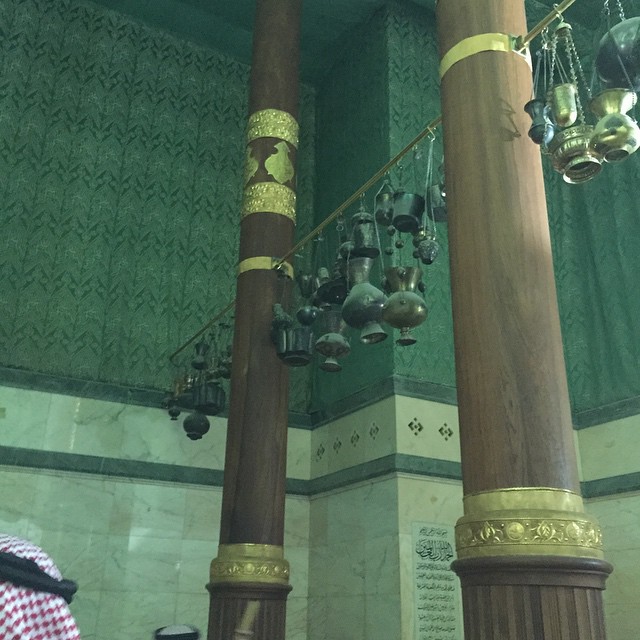
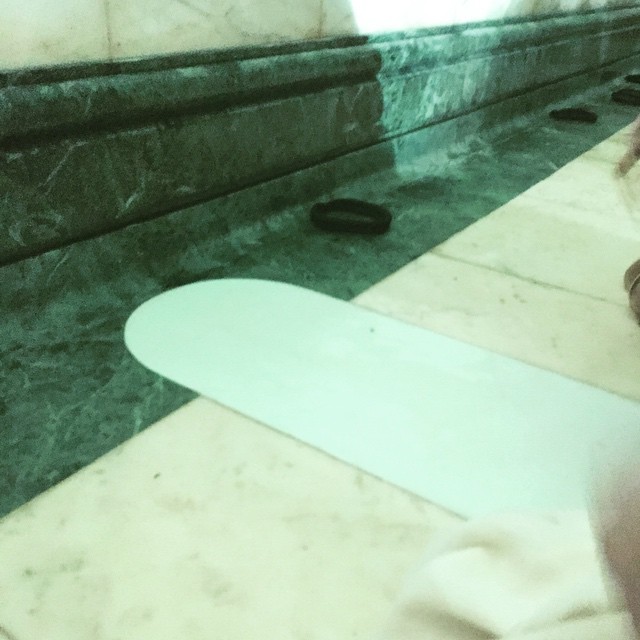
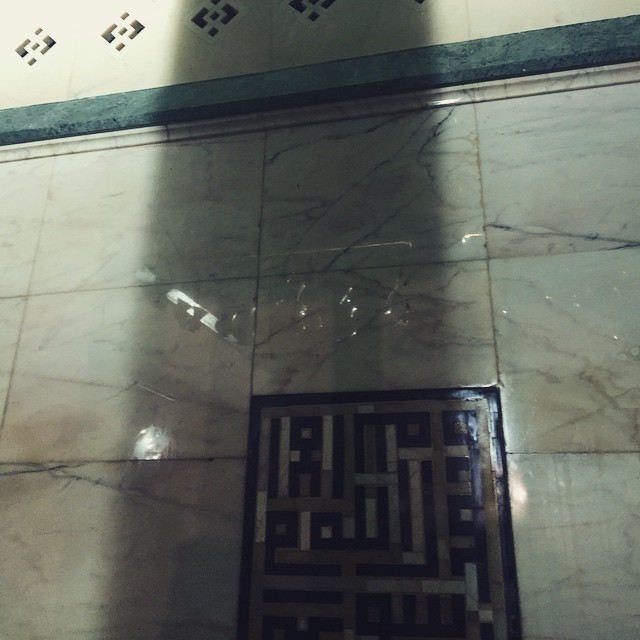
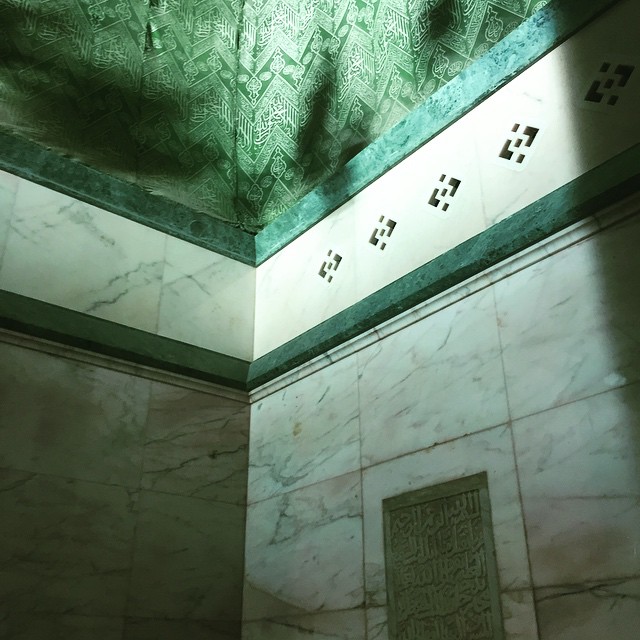
Pictures from Inside the Ka’bah Yasser Ahmad who was fortunate to enter the Ka’ba on the 30th of May 2015 has posted some photos from inside the Ka’ba on his instagram account along with Arabic captions describing the photos (Taken from ilmfeed.com) (Click on pictures to enlarge) There are lanterns hanging in between two pillars in the centre of the Ka’ba. This is the corner where the Rukn Al-Yamani is located on the outside. The calligraphy on the marble wall denotes the location the Prophet Muhammad (peace and blessings be upon him) prayed when he entered the Ka’ba. The marking on the floor shows the exact spot the Prophet Muhammad (peace and blessings be upon him) is thought to have prayed.

-
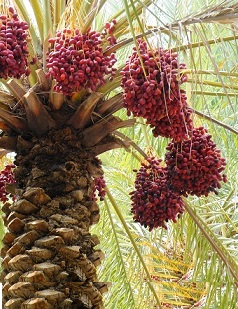
The Fruit of Good Character Bismillahir Rahmaanir Raheem Sheikh Shibli (Rahmatullahi ‘alayh) was once harassed and persecuted by the people. With a lot of grief in his heart, he left the locality and after walking for some time, sat down in an orchard, at a date palm, and leaned against its trunk. Allah Ta’ala is All-Seeing and All-Knowing. Allah Ta’ala was aware of the feeling of isolation, and the sadness and hurt in the heart of Sheikh Shibli (Rahmatullah ‘alayh). Allah Ta’ala offered His friend some comfort and consolation. In the form of a Karamat (miracle), Allah Ta’ala gave the palm tree the ability to talk. The date palm said: “O Shibli! Become like me!” Sheikh Shibli (Rahmatullahi ‘alayh) asked: “And what is your description?” The date palm responded: “They throw stones at me and I throw fruit at them!” Remain patient. If the people throw criticism, ridicule, and they cause hurt and pain in the heart, we should throw the fruits of Akhlaaq and good morals. Allah Ta’ala will change the hearts; if not, we will receive rewards in abundance in the Hereafter. May Allah Ta’ala grant us the Taufeeq. Adapted from a Majlis of Sheikh, Hadhrat Moulana Saleem Dhorat (Daamat Barakaatuhum), Leicester, United Kingdom. Source
-
العلم شجرة والعمل ثمرة Knowledge is a tree and action is its fruit: Can there be fruit without a tree? And can a tree produce fruit without adequate nourishment? There is no substitute to learning, and our Prophet sallallaahu 'alayhi wasallam was instructed to ask Allah for more knowledge: وقل رب زدني علما Unless we grow in our knowledge we cannot grow in our action. So learn something new TODAY!!!
-
Shaykh Maher (Imam of Harem Makkah) gives some very practical advice He says: Ideas for the last ten days of Ramadan : 1. Give 1 dinar in charity every night, so if it falls on laylatul qadr it's as if u gave charity everyday for 84 years. 2. Pray two ra'kaat every night, so if it falls on laylatul qadr it's as if u prayed everyday for 84 years. 3. Read Surah ikhlaas three times a night, so if it falls on laylatul qadr it's as if u read the whole Quran everyday for 84 years. He then says spread this as you may find it on your account [of good deeds].
-
Turbulence during Flight makes a person accept the truth A Brother became Muslim due to turbulence. He said that on the flight everybody was happy and enjoying until Turbulence started. At this point, everybody who were unaware of God, started praying (in many different ways) to be saved. After Turbulence, they went back to listening to Music or whatever. This made him think about God. So he thought this “God” stuff is incorrect because people use it as comfort. He then decided to read religious books and pick out inconsistencies. He read the bible and there were many things he found which were inconsistent. He read the Bhagavad Gita and also found many inconsistencies. Read some other book as well and found inconsistencies. He didn’t bother with the Qur’aan at all. Some years later someone gifted him a Qur’aan. He read the first page and came across the verse “This is the Book in which there is no doubt!” He thought, “What an arrogant claim from a book!” so he took the challenge of finding things wrong with the this "arrogant Book" to defeat the claim. He couldn’t. So he told his Nafs that if you cannot find anything wrong with this Book and if you still don’t believe in it, then you are stubborn and arrogant because your challenge has been defeated. So he accepted Islam.
-
Phone ringing during Salaah Q: If one's phone rings during Salaah, can one remove the phone from the pocket and pouch in order to switch it off? If one removes the phone to switch it off, will the salaah break? A: If switching off the phone involves ‘amal qaleel (a little movement), one should switch it off and his Salaah will not break. However, if switching off the phone involves ‘amal katheer (a lot of movement), he should not switch it off. If he does switch it off his Salaah will break. ‘Amal katheer refers to that amount of movement in Salaah which, if any person who is out of Salaah observed him doing that action, he would have thought that the person was not in Salaah. One should ensure that one switches off one's phone before entering the Musjid so that it does not become a means of distracting one during Salaah or causing inconvenience to the other musallees. ( و ) يفسدها ( كل عمل كثير ) ليس من أعمالها ولا لإصلاحها وفيه أقوال خمسة أصحها ( ما لا يشك ) بسببه ( الناظر ) من بعيد ( في فاعله أنه ليس فيها ) وإن شك أنه فيها أم لا فقليل في رد المحتار : قوله ( وفيه أقوال خمسة أصحها ما لا يشك الخ ) صححه في البدائع وتابعه الزيلعي والولوالجي وفي المحيط أنه الأحسن وقال الصدر الشهيد إنه الصواب وفي الخانية والخلاصة إنه اختيار العامة وقال في المحيط وغيره رواه الثلجي عن أصحابنا حلية (رد المحتار ١/٦٢٤) نقل عن خط صاحب البحر على هامشه أن القطع يكون حراما ومباحا ومستحبا وواجبا فالحرام لغير عذر والمباح إذا خاف فوت مال والمستحب القطع للإكمال والواجب لإحياء نفس (رد المحتار ٢/٥٢) Answered by: Mufti Zakaria Makada Checked & Approved: Mufti Ebrahim Salejee (Isipingo Beach)
-
Travelling and fasting Q. If Zaid’s flight/trip is scheduled at 8AM, can he forgo the fast? (Question published as received) A. A Musaafir (traveller) is excused from fasting if he initiates his Safr (travel) before the Subah Saadiq time (true dawn) commences. (Ahsanul Fataawa 4/447) Hence, if a Musaafir (traveller) intends to initiate his Safr (travel) after the Subah Saadiq time (true dawn) commences i.e. 8AM, he will not be excused from fasting. However, if he initiates his Safr (travel) before the Subah Saadiq time (true dawn) commences for e.g. 8PM, he will be excused from fasting as a Musaafir (traveller). Note: If a person did not fast due to being a Musaafir (traveller), he will have to make up (Qadha) the fast at a late stage i.e. after Ramadhaan etc. Also, it is more rewarding for a Musaafir (traveller) to fast on Safr (travel) if fasting does not cause undue hardship to him. And Allah Ta’ala Knows Best Mufti Ismaeel Bassa Confirmation: Mufti Ebrahim Desai (Islamic rulings on this Q&A newsletter are answered in accordance to the Hanafi Fiqh) Fatwa Department Jamiatul Ulama (KZN) Council of Muslim Theologians
-
Guarding Oneself The most succinct definition of taqwa is to guard oneself from the displeasure of Allah by guarding oneself from the disobedience of Allah. We must guard our eyes, ears, tongue, hands, feet and even our heart from any act, thought, sentiment and emotion of disobedience and displeasure. How does a person develop taqwa? There are many ways of developing taqwa and one of them is by fasting. Allah prescribes fasting for us so that it may create this consciousness of Him in us: يَا أَيُّهَا الَّذِينَ آمَنُواْ كُتِبَ عَلَيْكُمُ الصِّيَامُ كَمَا كُتِبَ عَلَى الَّذِينَ مِن قَبْلِكُمْ لَعَلَّكُمْ تَتَّقُونَ O believers, fasting has been prescribed for you as it was prescribed for those who came before you so that you may attain taqwa [al Baqarah 2/183] [This excerpt is based on a spiritual gathering held by Shaykh Riyadh ul Haq on 16th November 2014].
-
Pearls of Wisdom: No.39 “Food for the Soul” Subject: HUMILITY & PRIDE Allah, The Most Exalted, says: “Certainly He (Allah) does not love the proud ones.” (Qur’an-16:23) The Noble Messenger of Allah, Muhammad (peace be upon him) is reported to have said: “Charity does not decrease wealth, no one forgives except that Allah increases his honor, and no one humbles himself for the sake of Allah except that Allah raises his status.” (Hadith-Sahih Muslim 2588) NOTE: Humility is often overlooked and regarded as trivial yet it leads to greatness and pride is destructive and comes before a fall. A raindrop one day fell into the ocean and regarded itself as low and nothing amidst the countless multitude of drops of the gigantic ocean. While in this state of mind, an oyster swallowed it and the raindrop became a precious pearl over time. The raindrop became exalted for it was humble. If we humble ourselves then will we be raised in honour and rank. As for him who struts with pride, then pride felled Shaytaan (Devil) from his place among the Angels to the pits of Hell. Humility is NOT thinking less of yourself BUT it’s thinking of yourself LESS. Pride makes us artificial while humility makes us REAL! www.eislam.co.za
-
Rasulullah (Sallallahu Alaihi Wasallam)’s Love for his Ummah It has been recorded in ‘Mawaahib Ladunniya’ from ‘Tafseer Qushairy’ that on the day of Judgement a believer shall appear for reckoning with a small measure of righteous deeds. Rasulullah (Sallallahu Alaihi Wasallam) shall appear and place on the side of the righteous deeds a small piece of paper that will be the size of the tip of one’s finger. The result will be that the scale of good deeds will far outweigh the evil deeds. Seeing this, the believer will exclaim, “May my mother and father be sacrificed for your sake, who are you? How beautiful is your physical appearance, and how sublime is your conduct.” Rasulullah (Sallallahu Alaihi Wasallam) shall answer: “Verily I am your Nabi (Sallallahu Alaihi Wasallam). This which I have placed on your scale is the salaat and salaam that you used to recite upon me during your lifetime. Now I have come to your aid and assistance at your time of need.” (Ihyaauddeen.co.za) يَا رَبِّ صَلِّ وَ سَلِّمْ دَائِمًا أَبَدًا عَلَى حَبِيبِكَ خَيرِ الخَلْقِ كُلِّهِمِ
-
Preparation for Ramadhaan Hazrat Mufti Ebrahim Salejee (Daamat Barakaatuhu) mentioned With the approaching of the month of Ramdhaan, every person’s desire is that whatever he does must be accepted. Thus, for acceptance you require to ensure that the asbaab (means) of acceptance are also in place. The hadeeth speaks of a person’s fast being rejected when he breaks his fast with haraam, whether it is haraam food or food purchased with haraam wealth. The pain that you undertake does not deserve rejection, but one has brought into it something that has ruined it. Similarly, engaging in gheebat and vain talk causes the fast to be rejected. For many of us it is better to sleep and save ourselves from these ruining deeds. Some Mashaayikh say that if one has the urge to make gheebat then make gheebat of one’s parents and pass over your thawaab to them as they deserve it the most. The appropriate thing is that one should get into a routine before the month of Ramadhaan comes. One should get things in order, pay off all outstanding debts even if you are put into constraints. Likewise, covering up qadhaa namaaz, fasts etc. Source: Al-Haadi
-
Real Taqwaa “The common definition of taqwaa is to abstain from the disobedience of Allah subhanahu wata‘alaa. When a person tries to do this it is a struggle, known as mujahadah. Through the barakah of this struggle, actual taqwaa is achieved, wherein the noor (light) of taqwaa is entered into the heart. Once this is achieved, the person will no longer have to struggle much to avoid sins as before; the filth of sin will repel the person. It is like the prospect of walking through a narrow gully with damp and filthy walls. You will be repelled from the very thought, but even if you do and some filth touches your clothing, you will not be able to rest in peace until it is washed off. When you have acquired the actual taqwaa you are repelled by the filth of sins, and if you do ever slip and make a mistake, you will not find contentment until you repent; this will result in you repenting immediately.” Courtesy of In Shaykh's Company: a blog maintained by the students of Shaykh Muhammad Saleem Dhorat hafizahullah www.shaykh.org
-
Control the Nafs In a hadeeth Rasūl Allāh صلى الله عليه وسلم mentions: الكيس من دان نفسه وعمل لما بعد الموت والعاجز من اتبع نفسه هواها وتمنى على الله Intelligent is he who suppresses his nafs and works for that which is to come after death, and the weak is he who allows his nafs free reign and continues to build hope in Allah. [Tirmidhi] It is the inherent nature of the nafs to keep desiring for things. If we keep satisfying our permissible desires (beyond our rights and needs), the nafs will soon become tired of these desires and aspire to other desires which are doubtful until there comes a time when it will eventually desire haraam. We fall into the trap of leaving a desire only for the sake of a new desire. The result is that one’s life becomes a never-ending cycle of new desires and following one’s passions. However, the only way to reach spiritual heights and gain closeness to Allah سبحانه وتعالى is to sacrifice even the permissible desires. One should sacrifice a desire only for the sake of Allah سبحانه وتعالى and not for the sake of the nafs in the form of a new desire. Only by sacrificing the permissible desires will the nafs remain under control. Either the nafs controls the person or the person controls the nafs. [This short excerpt is based on a dars entitled ‘Talk on the Nafs’ held by Shaykh Abu Yusuf Riyadh ul Haq on 7th March 2000].
-
STRIVING AGAINST THE NAFS (DESIRES) AND SHAYTAAN THE GREATEST JIHAD To transform Azaazeel into Iblees, was not the work of another shaitaan. It was the nafs which had ruined him. It is therefore of greater importance to defeat the nafs than to defeat the kuffaar. It is for this reason that the struggle against the nafs is termed Jihaad-e-Akbar (the Greatest Jihaad). – (Azaazeel was the name of Iblees before he became the shaitaan.) THE PERFECT MUJAHID Fudalah al-Kamil (radhiyallahu anhu) related that the Rasulullah (sallallahu alayhi wasallam) said: “A Mujahid is one who strives against his desires in order to obey Allah.” [Al-Bayhaqi, Shu’ab al-Iman] Commentary: Jihad against desire is referred to as the greater Jihad. Striving against one’s desires is referred to as the greater Jihad in many of the sayings of the spiritual masters. This is established from the Hadith above because the grammar in this expression “A Mujahid is one who” indicates that the speaker intends to restrict the reference to a certain kind of mujahid and, when there is nothing to indicate otherwise, the assumption is that the kind of Mujahid intended is the perfect Mujahid. This sort of expression is well known to scholars of Arabic. The hadith therefore means that a perfect Mujahid is a Mujahid who struggles with his or her desires. It should be obvious from the foregoing that the most perfect form of Jihad is Jihad against desires. Here, the words “perfect” and “greater” have the same meaning. Read more.............HERE
-
Struggling Against One's Base Desires (Nafs) by Shaykh Zulfiqar Ahmed (db) Those who believe and work righteous deeds, from them shall We blot out all evil (that may be) in them and We shall reward them according to the best of their deeds (29:7) Mujahida is the term used for any mental, physical, or financial hardship that one may have to bear for the sake of Islam, and the above verse is a poignant one for such people who strive in the path of Allah. Mujahida can indeed be very personal, in the case of fighting one’s base desires (nafs) and subjugating it to the rule of Islamic Sacred Law (shariah). The Messenger of Allah sallallaahu 'alayhi wasallam said that a mujahid is someone who struggles against his nafs for the sake of obeying Allah. The nafs always wants to lead mankind astray because it revels in acts that are against the shariah. Hence, a person becomes deserving of reward from Allah if he controls the unlawful desires of his nafs and subjugates it to the commandments of Allah. Read more..... struggle_nafs.pdf
-
Jihad al-Nafs (Striving Against One’s Lower Self) & the Path of Sufism Answered by Shaykh Faraz Rabbani Question I was listening to some girls talk the other day, and they were saying that there was no evidence for jihad al nafs, that all the evidence for it was fabricated, or so weak as to be worthless, and so jihad can only mean fighting physically. I am very confused by this. If you could explain this to me and show me the evidences, I would really appreciate it. Answer: Walaikum assalam, Affirming one reality is not a valid reason for negating another. Physical jihad is a reality, whose obligation and rules are clearly established. At the same time, the Prophet (Allah bless him & give him peace) himself used the term jihad for other than physical combat: He said (Allah bless him & give him peace), The striver (mujahid) is the one who strives against his lower self in obedience of Allah, and the migrant (muhajir) is the one who leaves wrongs and sins. [Related by Imam Ahmad, with a strong chain of narrators, with similar wordings being transmitted by Imam Tirmidhi, and others] This striving against ones lower self and appetitive impulses is in order to make ones beliefs, actions, and desires accord to the Sacred Law the Prophet (Allah bless him and give him peace) came with. This is why the Messenger of Allah (blessings and peace be upon him, his family, and companions) said, None of you [truly] believes until his whims follow that which I have come with. [Nawawi said: an rigorously authenticated (sahih) hadith, narrated in Kitab al-Hujja, Ibn Taymiyya said: Abu Hatim narrated it in his Sahih] The process of striving against ones lower self is part of the science of tasawwuf.